
West Bengal Government Set to Introduce Uniform Civil Code Bill as CM Announces NRC and Anti Conversion Law Plans
The proposed legislation has triggered political debate, with supporters calling it a reform and critics raising concerns over minority rights and constitutional protections.
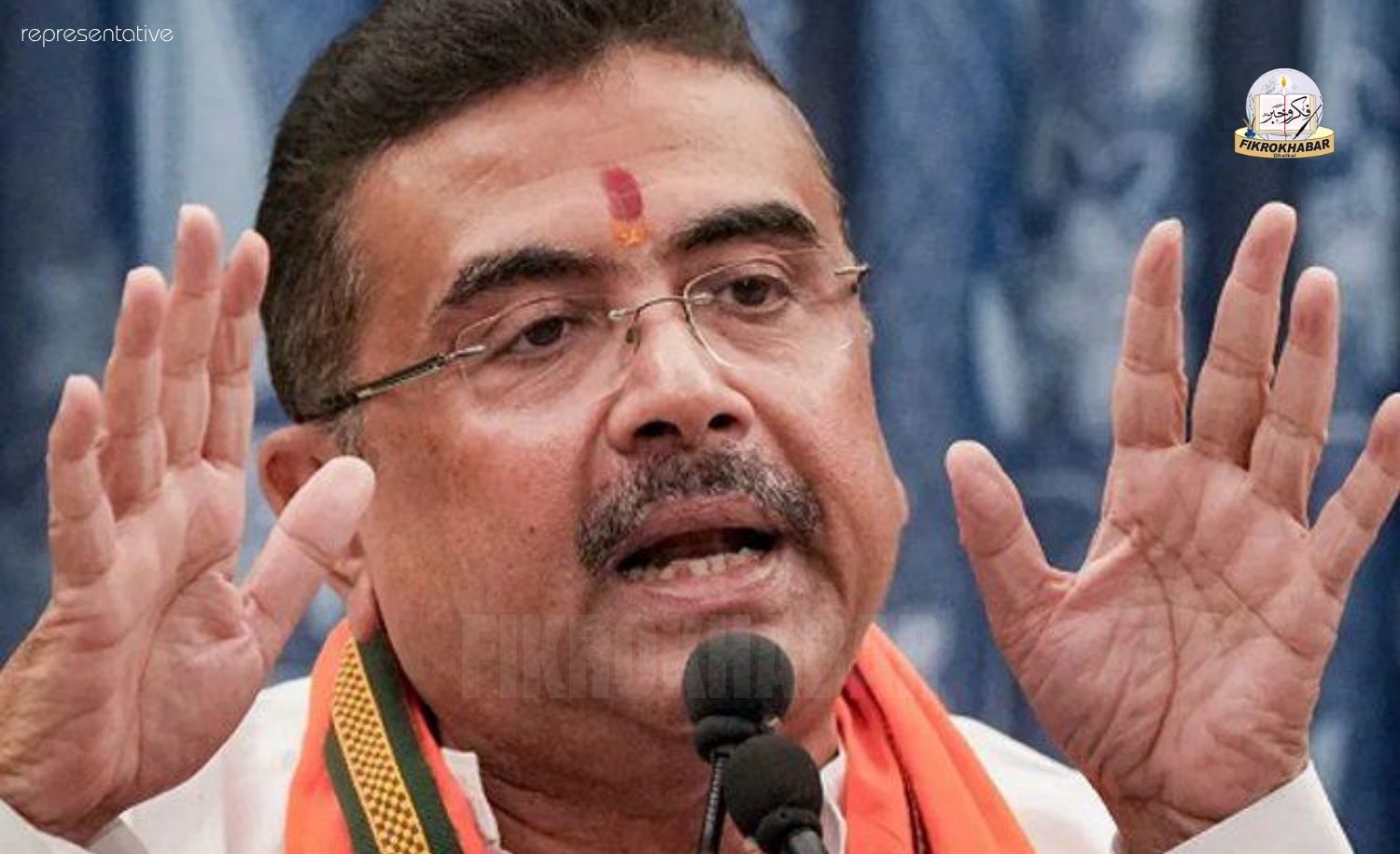

West Bengal is witnessing growing political debate after Chief Minister Shubhendu Adhikari announced that his government will introduce a Uniform Civil Code, or UCC, Bill in the State Assembly on Monday. The announcement was made during an event at Rabindra Sadan in Kolkata marking the 150th anniversary of Vande Mataram.
Addressing the gathering, the Chief Minister said his government also plans to implement the National Register of Citizens, or NRC, and introduce a strict anti conversion law in the state. He described these measures as necessary for strengthening governance and maintaining public order.
During his speech, Adhikari alleged that large scale illegal infiltration across the international border had contributed to religious conversions, demographic changes, and what he referred to as “love jihad.” However, he did not present documentary evidence or official data to support these claims. He said West Bengal would follow the legal framework adopted by states such as Gujarat, Assam, and Uttarakhand for implementing the Uniform Civil Code.
The BJP had earlier promised to introduce the UCC within six months of forming the government after the 2026 Assembly elections. The government’s decision to move ahead with the legislation sooner than expected has drawn significant attention.
Legal experts say that if West Bengal adopts an anti conversion law similar to those in states such as Uttar Pradesh, Madhya Pradesh, and Uttarakhand, it could have a major impact on personal and family laws. Under such laws, religious conversions carried out through coercion, fraud, inducement, or solely for the purpose of marriage may be declared illegal.
The proposed framework could also require individuals intending to change their religion, as well as religious leaders conducting conversion ceremonies, to notify district authorities in advance. Violations may attract strict penalties, including imprisonment and heavy fines. In some cases, the burden of proving that a conversion was lawful may fall on the accused.
If the Uniform Civil Code is implemented, personal laws governing marriage, divorce, inheritance, maintenance, and adoption across different religious communities, including Muslim Personal Law, could be replaced by a common legal framework. The proposal is expected to introduce uniform rules on marriage registration, minimum age for marriage, property rights, and live in relationships for all citizens.
Political observers note that Muslims make up around 27 percent of West Bengal’s population. They say the introduction of the UCC and NRC in a state with a large minority population could have far reaching political and social implications while also raising constitutional questions regarding religious freedom and minority rights.
Opposition parties and several Muslim organisations have expressed concern over the government’s announcement. They have alleged that the proposed measures could target minority communities and deepen political polarisation. Analysts say the simultaneous push for the UCC and NRC has created uncertainty across the state, with attention now focused on the draft bill that is expected to be tabled in the Assembly.