
West Bengal Assembly Passes OBC Amendment Bills, Revises Reservation List and Reduces Quota
The new law removes 77 Muslim communities from the OBC list following a High Court order and reduces the state's OBC reservation quota to 7 percent.
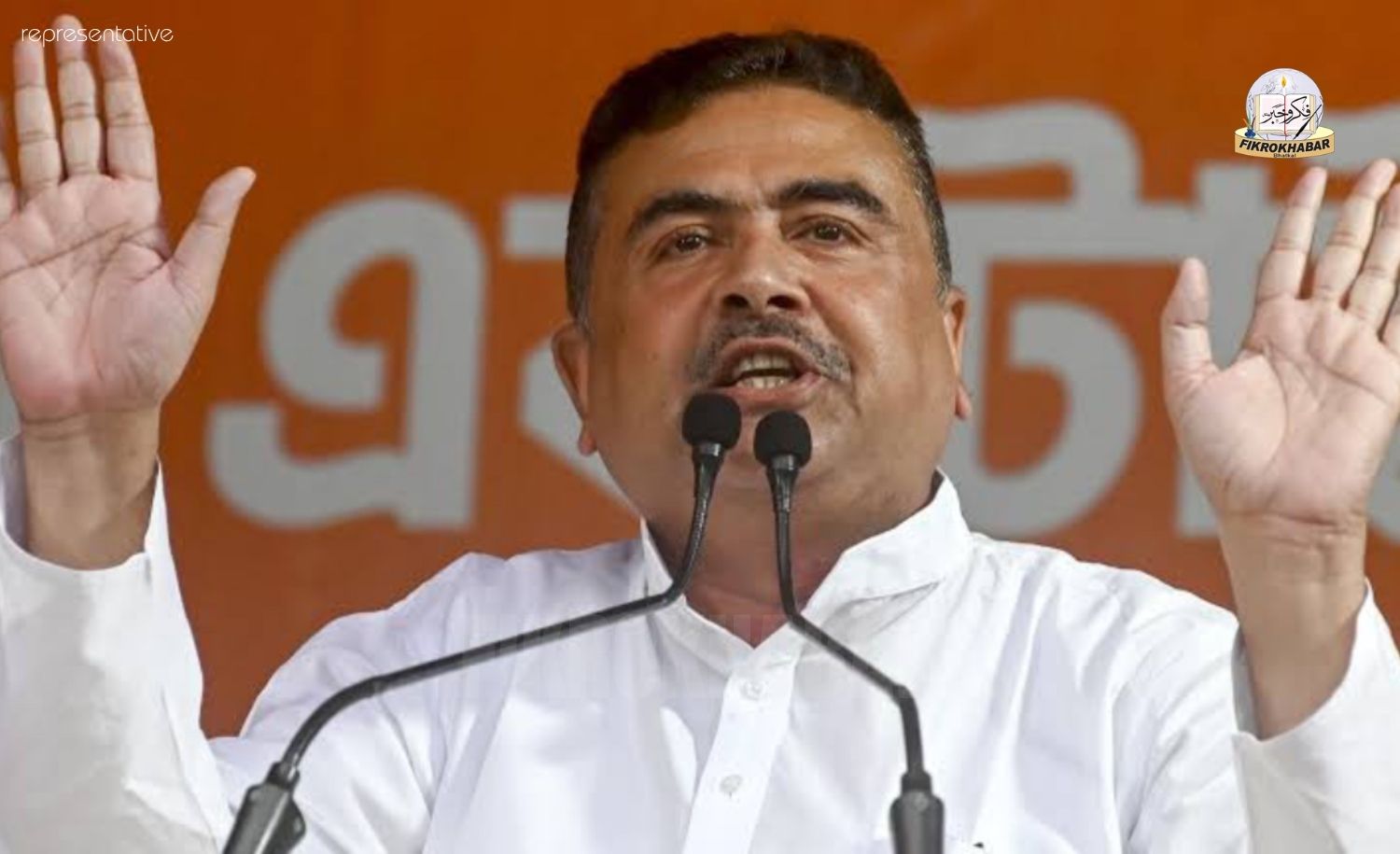

The West Bengal Assembly on Monday approved two important Bills that amend the state’s laws on Other Backward Classes reservations. The changes follow the Calcutta High Court’s May 2024 ruling, which questioned the process used to include several communities in the OBC list.
The Bills, introduced by Backward Classes Development Minister Gourishankar Ghosh, were passed with 186 votes in support and 17 against in the 294 member Assembly. Six legislators did not take part in the voting, while a group of Trinamool Congress MLAs led by Ritabrata Banerjee walked out before the vote.
According to Ghosh, the amendments have been made in line with the High Court’s directions. He alleged that the previous government had added several communities to the OBC list without conducting proper surveys and claimed that the process mainly benefited Muslim groups.
The earlier OBC list included 113 subgroups, made up of 77 Muslim communities and 36 non Muslim communities. Under the revised law, only 66 communities that were added after surveys have been retained. However, some Muslim communities, including Jolah, Fakir, Pahadia Muslim, Hajjam, and Chowduli, continue to remain on the OBC list.
The minister also announced that the West Bengal Commission for Backward Classes will carry out fresh surveys to determine which communities qualify for OBC status in the future. He said the amendments would also help prevent the misuse of fake OBC certificates. According to Ghosh, the government has restored the original OBC list that existed in 1993.
State minister Nisith Pramanik supported the decision, accusing the previous administration of following policies that favoured one section of society at the cost of deserving beneficiaries.
The Bills have drawn criticism from opposition parties and minority leaders. CPI(M) leader Md. Salim and Indian Secular Front MLA Nawsad Siddiqui argued that the changes would mainly affect economically weaker backward Muslim communities. They said that although the High Court had raised concerns about the procedure followed to grant OBC status, the government could have conducted fresh surveys instead of removing a large number of communities at once.
Critics also warned that the decision could create uncertainty for thousands of people who already hold OBC certificates and rely on them for educational admissions and government employment opportunities.