
US Strikes Iranian Military Targets as Kuwait Faces Drone and Missile Fire, UAE Strongly Condemns Escalation
Tensions flare across the Middle East despite ongoing ceasefire talks, drawing sharp international criticism and raising fears of wider conflict.
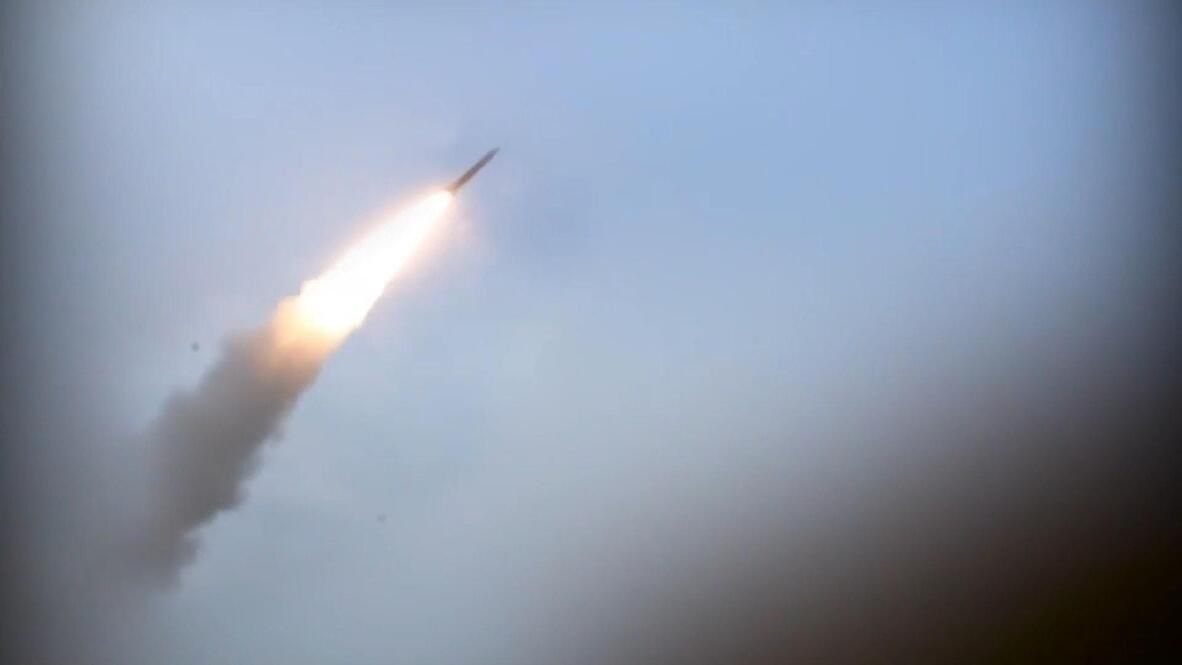

The United States carried out targeted airstrikes against Iranian radar and drone facilities over the weekend following the downing of an American surveillance aircraft. In response, Iran launched its own attack, while Kuwait reported intercepting incoming missiles and drones early Monday.
These exchanges highlight the fragile state of the current ceasefire between Washington and Tehran. Both sides continue to engage in limited strikes even as diplomats work behind the scenes to negotiate a lasting agreement. Officials acknowledge that any miscalculation could quickly unravel the talks.
The United States Central Command confirmed that fighter jets hit locations near the city of Geruk and on Qeshm Island on Saturday and Sunday. Military spokespersons stated the operation was a direct response to Iranian aggression, specifically the destruction of a US drone flying over international waters. The strikes destroyed air defense systems, a ground control center, and two attack drones that threatened commercial shipping.
Kuwait activated its air defense network Monday morning to shoot down approaching projectiles. Around the same time, Iranian Revolutionary Guard forces announced they had retaliated against American positions. State media reported that US forces had previously struck a communications tower, though exact locations were not disclosed. Kuwait currently hosts the forward headquarters for the US Army in the Middle East.
The United Arab Emirates strongly condemned the recent escalation, expressing deep concern over the surge in military activity. In an official statement, Emirati authorities called for maximum restraint from all parties and warned that continued attacks risk pushing the region into a much wider and more dangerous conflict. The UAE urged all sides to prioritize diplomacy and return to dialogue as the only path toward lasting stability.
Iranian state television broadcast footage of a ballistic missile launch featuring a sticker of a bruised Donald Trump superimposed over a blocked Strait of Hormuz. The image carried a message demanding the withdrawal of all American troops from the region. The visual underscored the deep hostility driving the current confrontation.
The conflict has severely disrupted maritime traffic through the Strait of Hormuz. Iran continues to restrict passage, choking off a vital route that once carried a fifth of the world traded oil and natural gas. The blockade has pushed global fuel prices higher and strained supplies of chemical fertilizers. With the Gulf region responsible for nearly a third of global fertilizer exports, experts warn of potential food shortages in vulnerable markets.
Regional violence has also spread beyond the US and Iran standoff. Fighting between Israel and Hezbollah has intensified despite a separate truce. Israeli forces have pushed deeper into southern Lebanon while Hezbollah continues to send drones across the border in support of its Iranian ally.
Diplomatic efforts remain uncertain. President Trump met with senior advisers Friday but has not yet committed to extending the ceasefire or reopening the strait. Iranian officials maintain that no final agreement has been reached. The current conflict began on February 28 when American and Israeli forces launched coordinated strikes against Iranian targets. While Washington has cited multiple objectives, preventing Tehran from developing nuclear weapons remains a central goal.
Iran continues to describe its nuclear activities as peaceful. International monitors note the country possesses enough highly enriched uranium to produce several warheads if it chooses that path. Vice President JD Vance indicated last week that negotiators are focusing on broad frameworks regarding the nuclear program, with detailed terms to follow in later rounds.
Iranian Foreign Ministry spokesperson Esmail Baghaei criticized Washington for shifting its demands. He told reporters that negotiations are taking place in an environment of deep suspicion. Despite the friction, Trump expressed confidence in the process on his Truth Social account Monday morning. He wrote that Iran is eager to reach an agreement and predicted a positive outcome for the United States and its partners.