
US–Iran Talks in Islamabad End Without Deal as Key Differences Remain
After hours of negotiations, both sides leave with proposals on the table but no final agreement
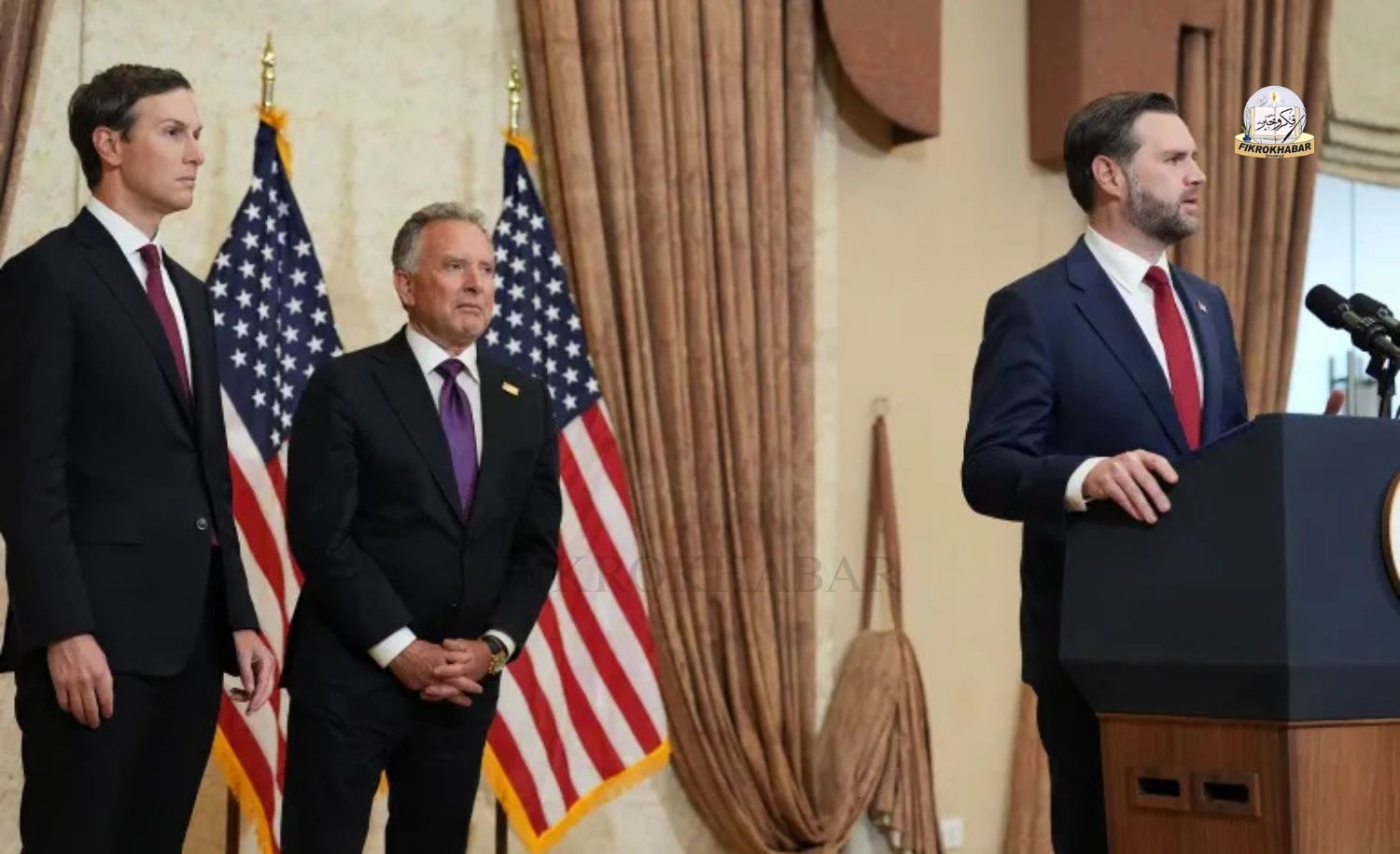

High-level talks between the United States and Iran in Islamabad concluded without a final agreement, despite extended discussions and multiple rounds of negotiations.
US Vice President JD Vance, speaking to the media after the meeting, said both sides held detailed and serious talks for nearly a full day. He acknowledged the efforts of Pakistan’s leadership, calling them helpful in trying to bridge the gap between the two sides.
However, Vance confirmed that no agreement was reached. He stated that the US had clearly outlined its conditions and expectations during the discussions, but Iran did not agree to those terms. According to him, the US position focused on securing a long-term assurance that Iran would not pursue nuclear weapons or develop the capability to do so.
He described the American approach as flexible during negotiations but said progress could not be achieved. The US team has now presented what Vance called its final proposal, leaving the decision to Iran on whether to accept it.
On the other side, Iranian media reports suggested that the talks stalled due to what they described as excessive or unrealistic demands from the US. Issues such as nuclear rights, economic concerns, and control over the Strait of Hormuz were reportedly among the main sticking points.
Sources close to the discussions indicated that while no breakthrough was achieved, the talks did not collapse completely. Both sides exchanged proposals and counterproposals, and there appears to be a broader framework still under consideration. Experts from both countries are expected to continue reviewing draft terms before any further negotiations resume.
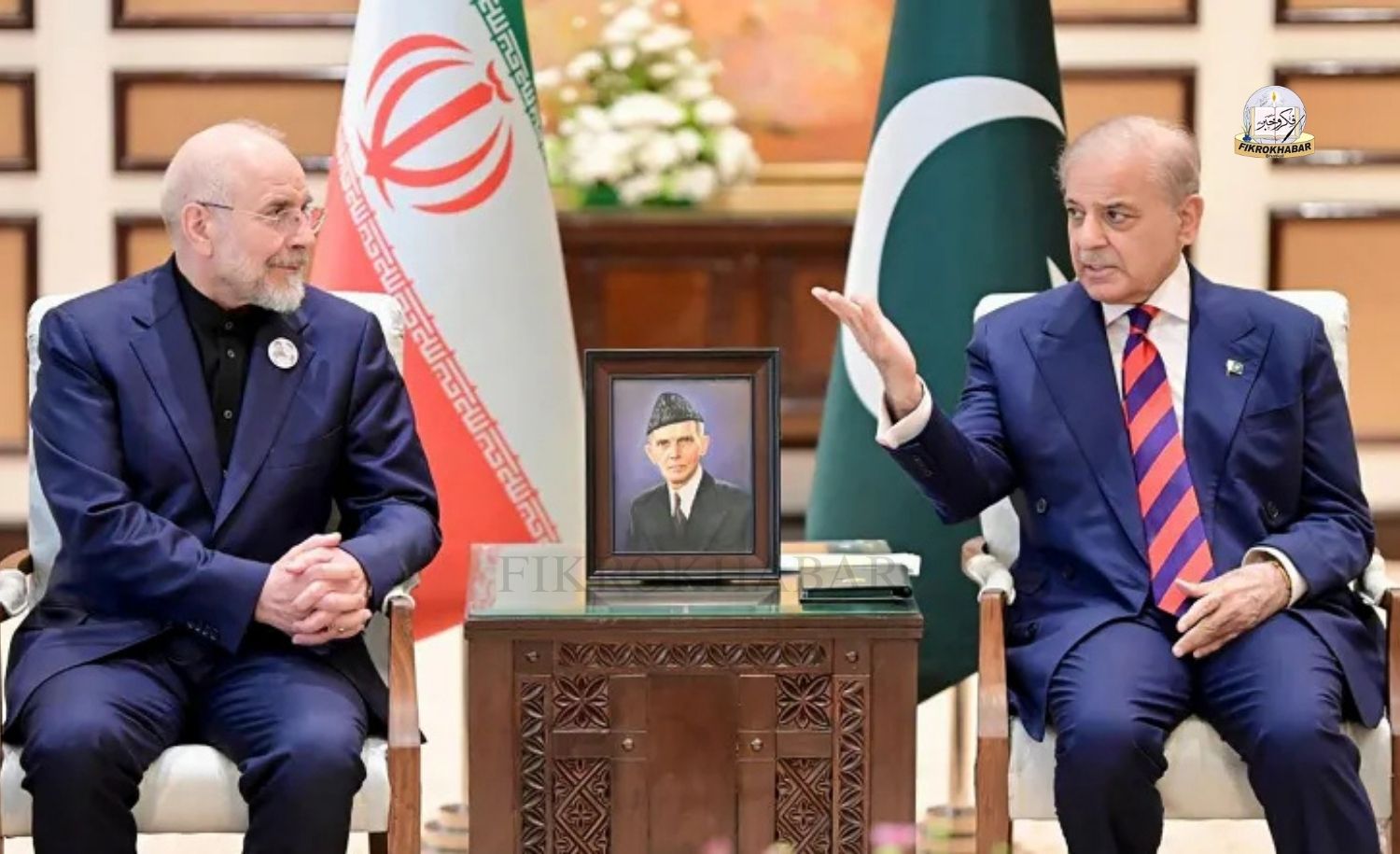
The role of Pakistan as a mediator was widely noted, with reports highlighting its efforts in bringing both sides into direct discussions. This remains significant, as diplomatic channels are still open despite the lack of a deal.
Analysts say the nature of the US demands may mark a shift in focus, moving from limiting nuclear activity to seeking a long-term commitment against developing such capabilities altogether. This change may have contributed to the difficulty in reaching common ground.
While tensions remain and differences are unresolved, the continuation of dialogue suggests that negotiations could still move forward in the coming days.