
Oil Prices Jump Above $103 as US Announces Strait of Hormuz Blockade
Global markets react sharply as rising tensions between the United States and Iran threaten key energy supply routes
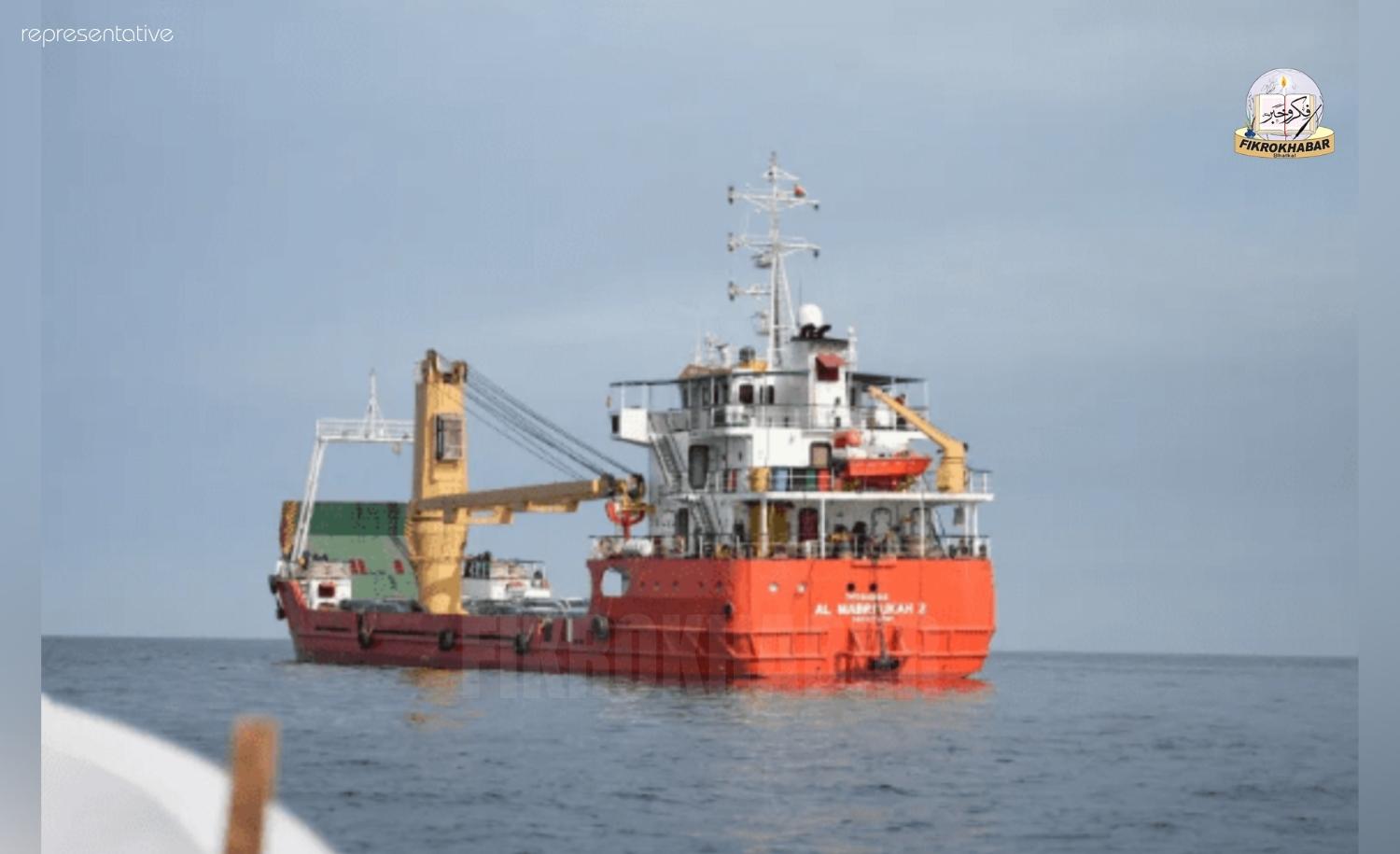

Global oil prices surged on Sunday after Donald Trump announced a naval blockade targeting Iran, raising fresh concerns over stability in the Middle East.
Brent crude, the international benchmark for oil prices, climbed more than 8 percent, crossing the $100 per barrel mark. This is the first time prices have reached this level in days, reflecting growing anxiety about possible disruptions to global energy supplies.
The announcement came after ceasefire discussions between US and Iranian officials broke down over the weekend. Trump stated that the US Navy would block all ships from entering or leaving the Strait of Hormuz, one of the world’s most important oil transit routes.
However, the United States Central Command later issued a clarification, saying the restrictions would apply only to vessels connected to Iran. Other international shipping traffic would still be allowed to pass. The partial blockade is set to begin on Monday morning US time.
The Strait of Hormuz is a crucial passage for global energy supplies, with nearly one fifth of the world’s oil and gas shipments moving through it. Any disruption in this narrow waterway can have immediate and far-reaching effects on global markets.
Oil prices have remained highly unstable in recent weeks. They had surged to over $119 per barrel last month amid escalating conflict involving US and Israeli strikes on Iran. Prices later dropped below $92 after a temporary ceasefire was announced, offering brief relief to markets.
Despite the ceasefire, which is expected to last until April 22, shipping activity in the region has sharply declined. According to maritime data, only a fraction of the usual number of vessels passed through the strait over the weekend, highlighting the ongoing risks to trade.
Stock markets in Asia reacted negatively to the latest developments. Japan’s Nikkei 225 fell by nearly 1 percent, while South Korea’s KOSPI dropped more than 1 percent. In the United States, futures linked to the S&P 500 also showed losses ahead of market opening.
The situation has intensified worries about global energy security and economic stability, with investors closely watching how the conflict in the Gulf unfolds in the coming days.