
TISS Student Denied Anticipatory Bail Over Slogans Supporting Sharjeel Imam and Umar Khalid
A Mumbai court says the student’s alleged slogans at a campus memorial event require further investigation into his intentions and alleged links to certain material.
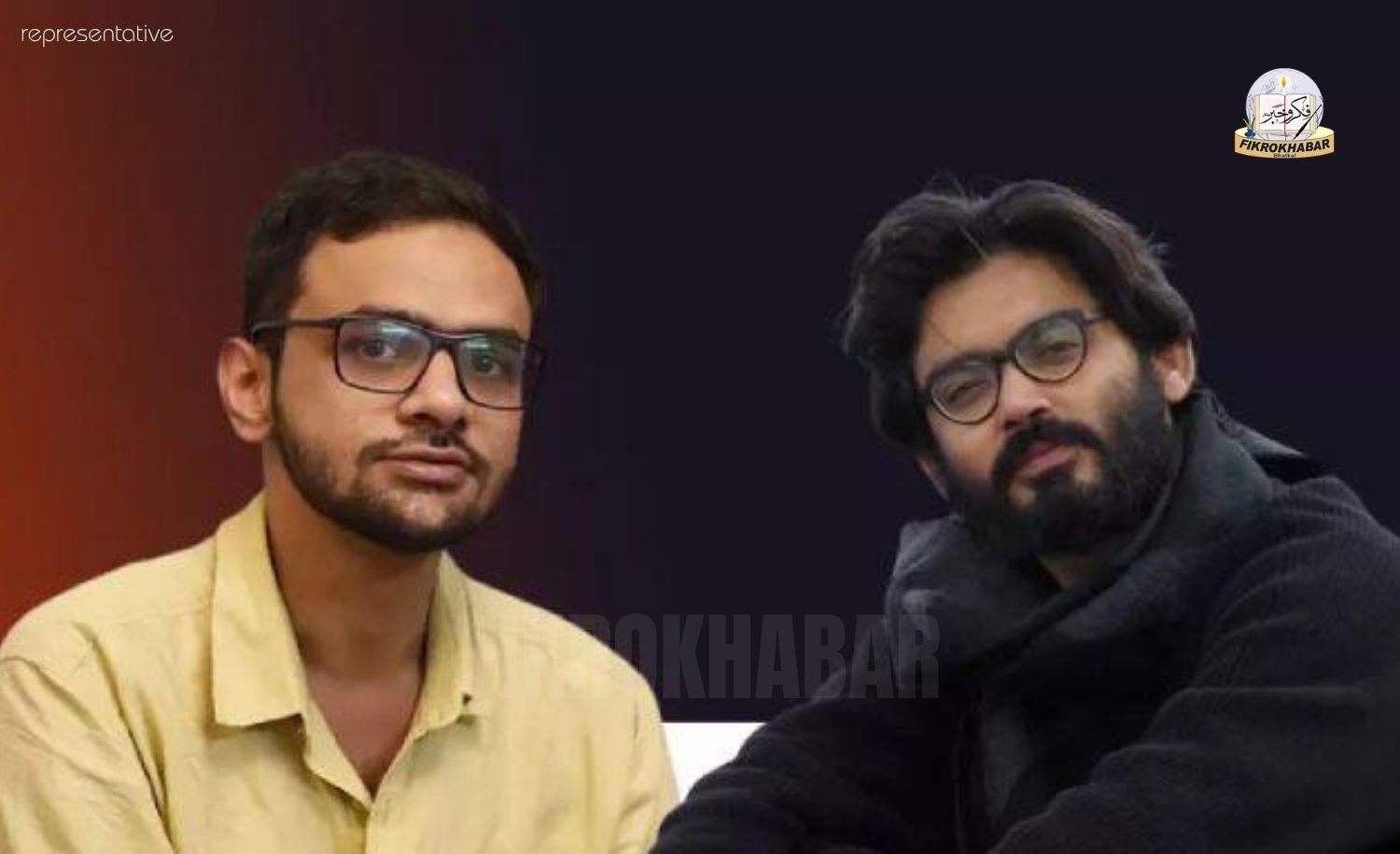

A Mumbai sessions court has rejected the anticipatory bail plea of a Tata Institute of Social Sciences student in connection with an alleged slogan shouting incident at the campus in support of Sharjeel Imam and Umar Khalid.
Additional Sessions Judge V. B. Bohra observed that the Supreme Court had rejected the bail pleas of Imam and Khalid. The court also said that students, like all citizens, are expected to respect the law.
The case dates back to October 2025, when Mumbai Police registered an FIR against several TISS students over an event held on campus to pay tribute to Professor G. N. Saibaba. According to the police, students also recited his poems and allegedly raised slogans calling for the release of Imam and Khalid, who are facing cases under the Unlawful Activities Prevention Act, or UAPA.
Abhiroop Pal, 32, approached the sessions court seeking protection from arrest. The court rejected his anticipatory bail plea. In a separate development, the court granted anticipatory bail to another student, Nikita D’Souza.
During the hearing, the students’ lawyer argued that Saibaba had been acquitted by the court of charges under the UAPA and that merely raising slogans such as “Release Sharjeel” and “Release Umar” could not be treated as a criminal offence.
The judge did not accept the argument. The court observed that holding a memorial event for Saibaba was not illegal in itself, but said the purpose of the gathering appeared to extend beyond paying tribute to him.
The court further observed that the campus event was not an appropriate platform for raising slogans in support of people facing serious cases under the UAPA, particularly after the Supreme Court had rejected their bail pleas.
The investigating agency also told the court that material and books associated with banned organisations and a particular ideology had allegedly been recovered from the accused student’s mobile phone and laptop.
The court noted that downloading books by itself does not amount to a criminal offence. However, it said the alleged slogans and the material found on the devices needed to be examined together to determine the student’s intentions. The court therefore considered custodial interrogation necessary for the investigation.
The case has also renewed debate over freedom of expression and students’ rights on university campuses.
Legal experts and human rights advocates have argued that peaceful expression and slogan shouting at educational institutions should not automatically be treated as criminal activity. At the same time, authorities maintain that freedom of expression remains subject to legal restrictions, particularly when allegations involve serious offences and matters pending before the courts.
The case is likely to add to the wider discussion over the limits of student expression, campus protests and the application of stringent laws such as the UAPA in educational institutions.