
Supreme Court Orders Mandatory Panic Buttons and GPS Tracking in Public Transport Vehicles
The court directed all states and Union Territories to ensure public transport vehicles are equipped with tracking systems and emergency buttons before permits are issued.
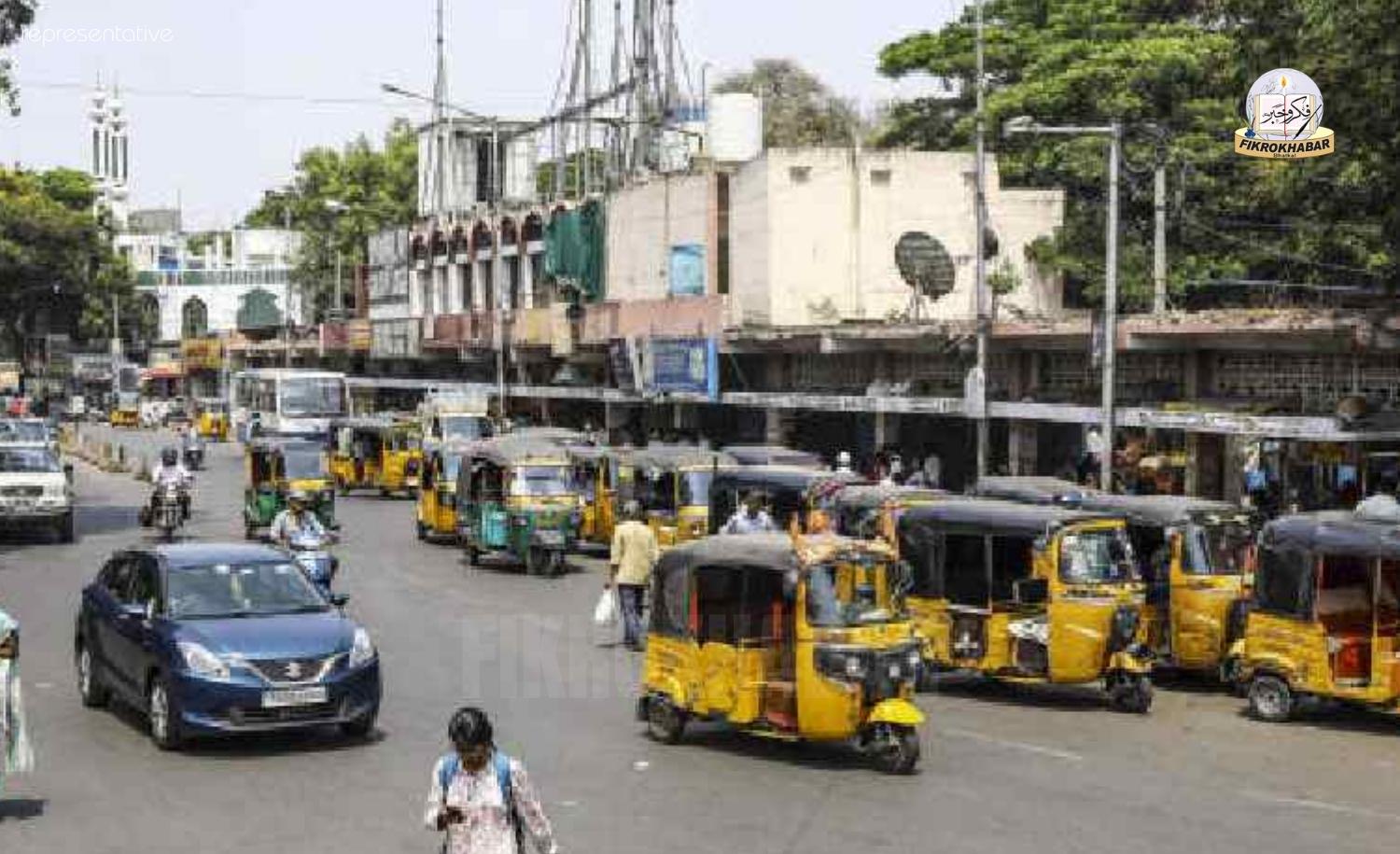

The Supreme Court of India on Wednesday directed all states and Union Territories to ensure that public service vehicles are fitted with vehicle location tracking devices and panic buttons within a fixed timeframe.
The court said these safety measures must be installed before fitness certificates or permits are granted to vehicles operating as public transport.
A bench comprising Justices J.B. Pardiwala and K.V. Viswanathan issued the directions while hearing a public interest litigation related to rising road accidents and passenger safety.
The judges said the move is aimed at improving the safety of women, children, and elderly passengers travelling in public vehicles and ensuring faster emergency response during dangerous situations.
The bench observed that although Rule 125H of the Central Motor Vehicles Rules, 1989, already makes it mandatory to install vehicle tracking systems and panic buttons in public service vehicles, implementation has remained extremely poor across the country.
According to the court, only around one per cent of public transport vehicles currently have these safety features installed.
The Ministry of Road Transport and Highways had earlier issued a notification on November 28, 2016, making vehicle location tracking devices and emergency buttons compulsory in public service vehicles from April 1, 2018.
However, the rule excluded two wheelers, e rickshaws, three wheelers, and transport vehicles that do not require permits under the Motor Vehicles Act, 1988.
Despite the notification being in force for several years, the Supreme Court noted that many states and Union Territories failed to properly implement the requirements.
The directions were issued during the hearing of a PIL filed by social activist Rajasekharan in the case titled “Rajasekharan vs Union of India.”
The court directed authorities not to issue fitness certificates or permits under Sections 56 and 66 of the Motor Vehicles Act unless vehicles are equipped with both tracking devices and panic buttons.
The bench also asked the Central Government to hold discussions with vehicle manufacturers so that these safety systems can be installed directly during the manufacturing stage itself.
The detailed official order had not been uploaded at the time the report was filed.