
SIR: Bulk Form 7 Objections in Karnataka’s Bhalki Raise Concerns Over Muslim Voters’ Deletion
525 objections filed within 48 hours, with most targeting Muslim voters, while civil rights groups seek verification before any deletions
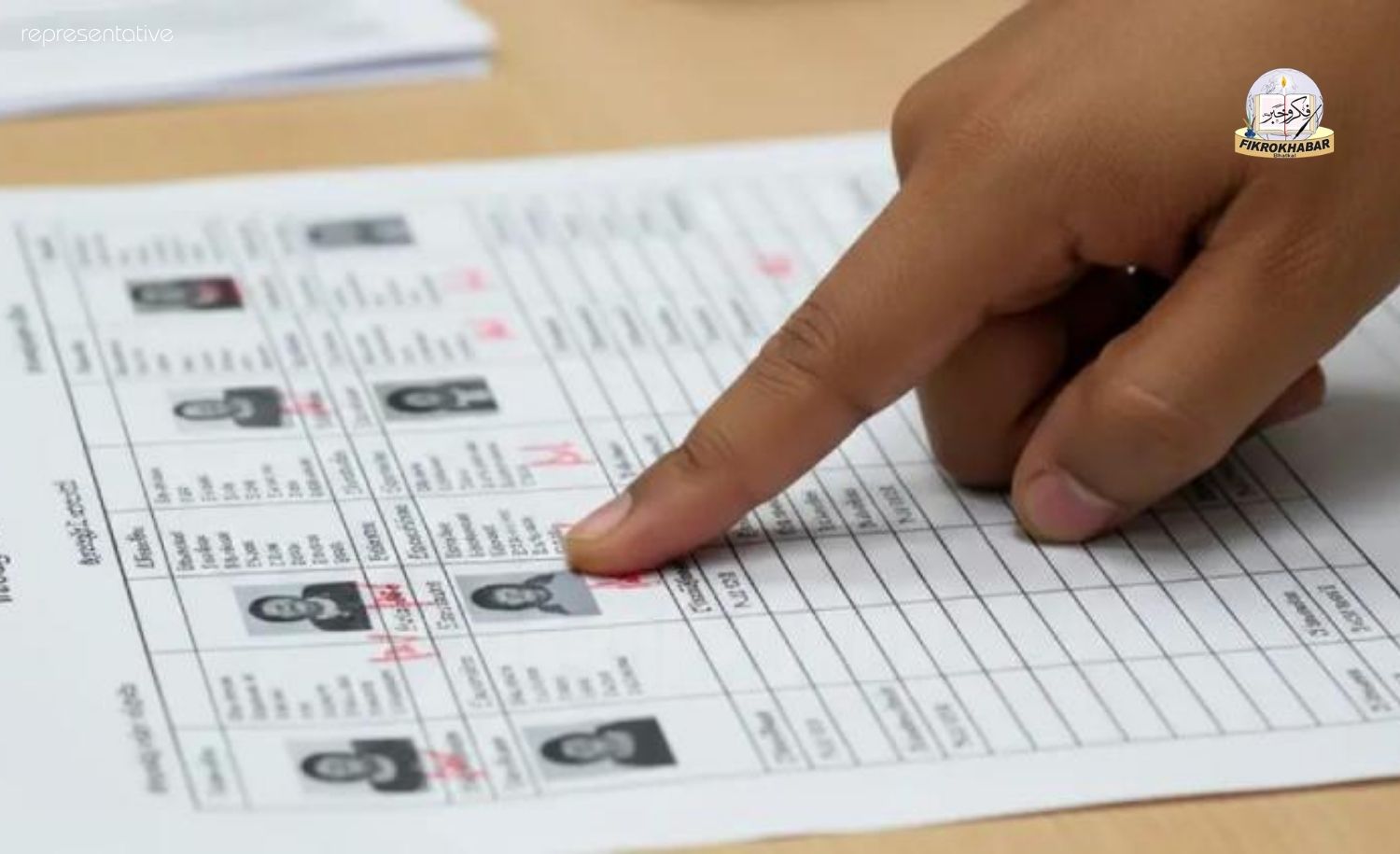

Bidar: Concerns have been raised over a large number of Form 7 objections filed against voters in Karnataka’s Bhalki Assembly constituency during the ongoing Special Intensive Revision of electoral rolls.
Several residents who say they have lived in the area for decades have reportedly found objections filed against their names, with the applications claiming that they have permanently shifted from their registered addresses.
One of those affected is 56 year old Vakeel Ahmed Munshi, who has been running his Zee Mobile shop near Sangamesh Theatre in Bhalki for around 37 years. Ahmed said he has been a voter in the area since 2002 and his name was present in the draft electoral roll. However, he recently discovered that a person named Sangamesh had filed a Form 7 objection against his name, claiming that he no longer lived at the address.
Ahmed questioned how one individual could raise objections against the names of a large number of voters and alleged that members of a particular community were being selectively targeted.
According to reports, 525 additional objections were filed in Bhalki within the 48 hours before the September 24 deadline for claims and objections. Twenty individuals were reportedly responsible for all but two of these applications, while most of the voters whose names were challenged were Muslims.
Earlier, objections had also been raised against thousands of voters in Bhalki and Babaleshwar constituencies. Reports have put the combined number of voters whose names were sought to be deleted in the two constituencies at more than 3,700, with the majority reportedly belonging to the Muslim community and a smaller number belonging to Scheduled Caste communities.
Another voter, Mufeed, whose family has reportedly lived in the area for three generations, said an objection was filed against his family on the claim that they had shifted elsewhere. He questioned the basis of the objection and said the person who filed it was not known to his family.
The issue has drawn the attention of civil rights organisations. The Association for Protection of Civil Rights (APCR) Karnataka submitted a representation to the Karnataka Chief Electoral Officer and the Bidar District Election Officer, raising concerns over the concentration of Form 7 applications and the disproportionate number of Muslim voters among those targeted. APCR has sought verification and physical checks before any deletion is carried out.
The Welfare Party of India has also raised concerns over the issue. Its Karnataka president Tahir Hussain has alleged that the process could deprive eligible voters of their voting rights. These remain allegations by the organisation and have not been established as a finding against the Election Commission or any individual.
Under the Election Commission’s rules, Form 7 is the prescribed form for objecting to the inclusion of a person’s name in an electoral roll or seeking deletion on specified grounds, including death, permanent shifting, duplicate enrolment or lack of Indian citizenship. The Election Commission states that the person filing the objection bears the responsibility of substantiating the reason given.
The Election Commission’s electoral roll manual also provides procedures for cases involving shifted voters. Where a Booth Level Officer is unable to trace a shifted elector, the prescribed process includes serving notice at the recorded address and allowing the applicable notice period before deletion.
The controversy has emerged amid the wider political and legal debate over the SIR exercise in Karnataka. The Bidar District Election Office has published a dedicated section for SIR 2026 claims and objections and related electoral roll information.
Civil rights groups and affected residents are now seeking verification of the objections and an opportunity for voters to establish their eligibility before any names are removed from the electoral roll.