
Questions Over Amit Shah’s Ayodhya Absence Fuel Talk of BJP’s Internal Power Struggle Ahead of UP Polls
Political developments surrounding Ayodhya and delayed BJP leadership visits have intensified speculation about divisions within the party before the Uttar Pradesh Assembly elections.
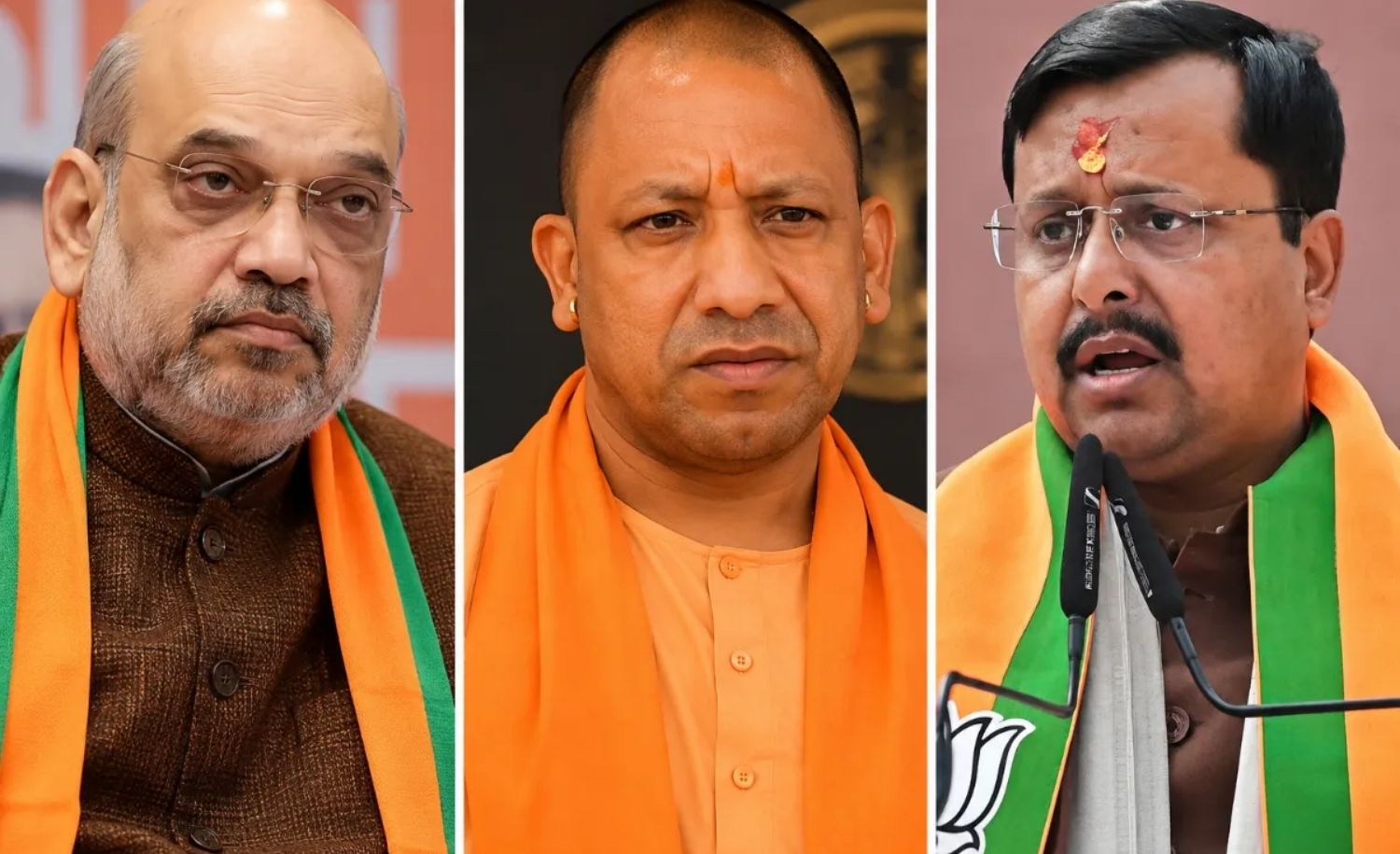

Fresh political debate has emerged after Aam Aadmi Party national convenor Arvind Kejriwal questioned why Union Home Minister Amit Shah has not visited the Ram Mandir in Ayodhya since its inauguration in January 2024. His remarks have gained attention at a time when BJP national president Nitin Navin has only now made his first organisational visit to Uttar Pradesh after spending several months touring most other states.
The timing of these developments has led to renewed discussion about the BJP’s internal dynamics as the party prepares for the crucial Uttar Pradesh Assembly elections scheduled next year.
Amit Shah was also absent during the Ram Temple foundation stone ceremony on August 5, 2020. At that time, he was reported to be recovering from Covid 19. However, since the temple’s consecration in January 2024, his continued absence from Ayodhya has prompted political observers and opposition leaders to question whether there are political reasons behind the decision.
In contrast, Uttar Pradesh Chief Minister Yogi Adityanath has consistently projected Ayodhya as a central part of his administration’s cultural and political agenda. In 2018, his government renamed Faizabad district as Ayodhya. Since then, he has frequently visited the city, especially during Diwali celebrations, where he participates in religious events and public outreach programmes.
Political analysts are also examining why BJP president Nitin Navin visited Uttar Pradesh only in early July after travelling across many other states during the past several months. Given Uttar Pradesh’s importance in national politics, the delayed visit has triggered speculation about the party’s organisational priorities and strategy.
These questions have become more significant following allegations of financial irregularities involving members of the Ram Temple Trust, including its outgoing general secretary Champat Rai Bansal. The allegations have added a new political dimension to the ongoing debate surrounding Ayodhya and the temple administration.
There is also increasing speculation within political circles about the future leadership of the BJP after Prime Minister Narendra Modi. Some observers believe Amit Shah remains one of the strongest contenders because of his influence within the party organisation and his close association with the Prime Minister. Others point to Yogi Adityanath’s growing political support, particularly among several BJP Members of Parliament from northern India.
Although these leadership discussions remain unofficial, recent political developments have revived conversations about possible alignments within the party.
Arvind Kejriwal’s remarks have placed the BJP in an uncomfortable position. For years, the party has criticised opposition leaders over their commitment to Hindu religious issues. Now, the opposition is questioning why one of the BJP’s most senior leaders has not visited the Ram Mandir after its inauguration.
Political observers also note that if Amit Shah decides to visit Ayodhya now, the timing may invite fresh political scrutiny because of the ongoing controversy surrounding the temple trust.
Meanwhile, reports of alleged financial irregularities have created unease within sections of the Sangh Parivar. While RSS chief Mohan Bhagwat has publicly commented on the matter, senior BJP leaders have largely remained silent.
The responsibility of responding to opposition criticism has largely fallen on Chief Minister Yogi Adityanath. Although the Central Government constituted the Ram Temple Trust, the Uttar Pradesh Government later formed a Special Investigation Team to examine the allegations. With Assembly elections approaching, Yogi has actively defended his government’s position while facing criticism from both political opponents and sections within the wider Sangh Parivar.
Leaders of major National Democratic Alliance partners, including Nitish Kumar, Chandrababu Naidu, Chirag Paswan and H D Kumaraswamy, have so far avoided making public comments on the controversy.
At the same time, smaller BJP allies in Uttar Pradesh are closely watching the developments. Political observers believe any perception of weakening leadership within the state BJP could strengthen their bargaining position during seat sharing negotiations for the upcoming elections.
Attention is now focused on whether Amit Shah will play the same active role in the Uttar Pradesh Assembly campaign as he did in previous elections and in recent campaigns in other states. The coming months are expected to reveal whether these developments reflect routine political strategy or indicate deeper organisational challenges within the BJP.