
Passport Not Proof of Citizenship, Says MEA; Opposition Questions What Document Is
Government clarification sparks debate over which document can conclusively establish Indian citizenship.
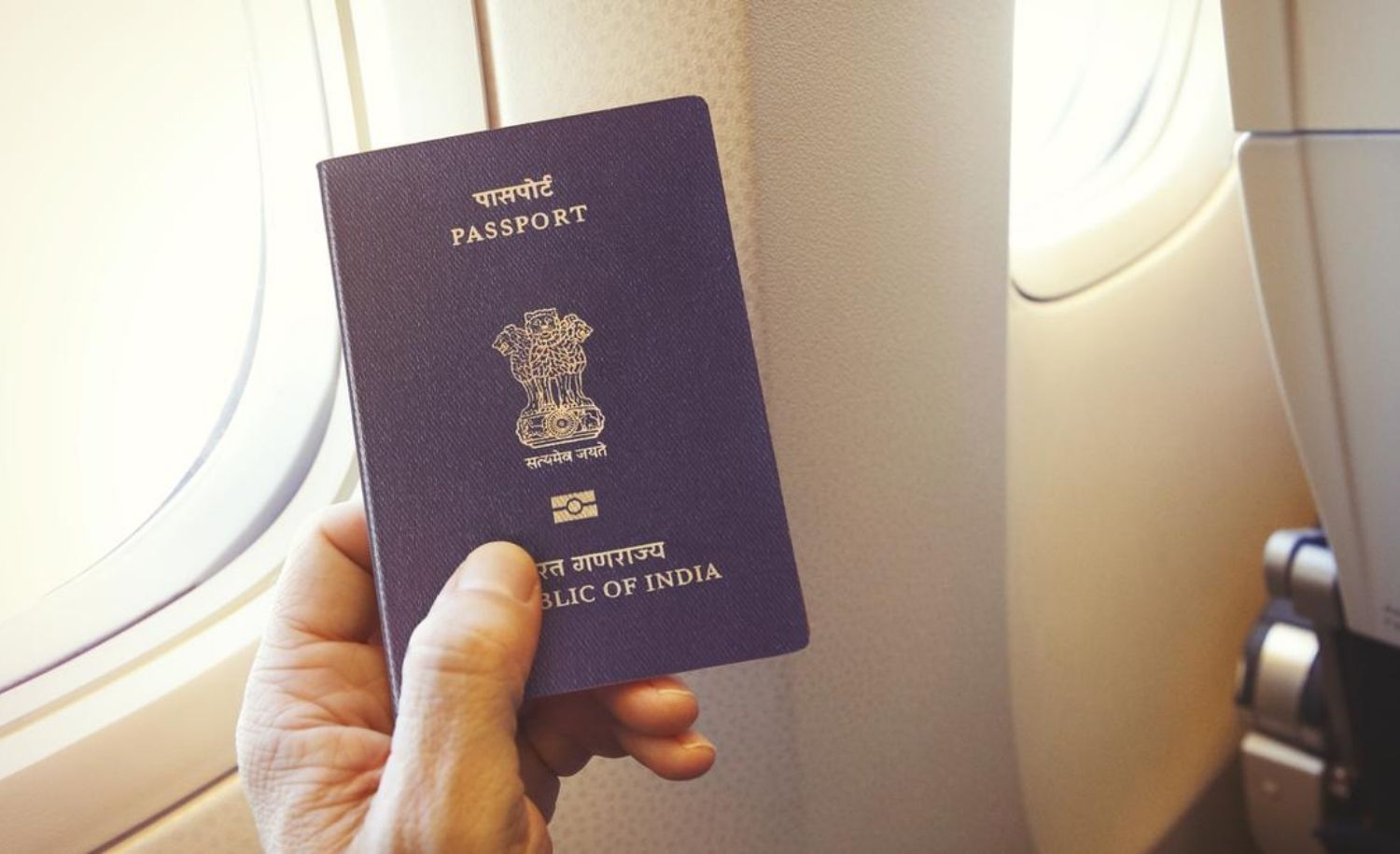

A fresh clarification from the Ministry of External Affairs (MEA) has triggered a nationwide debate after officials stated that an Indian passport is primarily a travel document and should not be considered conclusive proof of citizenship.
The statement came on Wednesday as the ministry highlighted recent developments in passport services and the introduction of chip enabled e passports. According to the MEA, passports help citizens travel internationally but do not, on their own, establish citizenship status.
The clarification follows recent observations by the Supreme Court during hearings related to the Special Intensive Revision of electoral rolls. The court had noted that Aadhaar serves as a proof of identity but cannot be treated as definitive evidence of citizenship.
Alongside the clarification, the ministry showcased major improvements in passport services across the country. More than 500 Passport Seva Kendras are now functioning nationwide, and over 1.5 crore passport related services were delivered in 2025. Officials said passports are currently being issued within six working days, excluding police verification, while applicants typically spend less than 45 minutes at service centres.
The MEA also highlighted efforts to improve international travel opportunities for Indian citizens. Officials said 27 countries now allow visa free entry for Indian passport holders, compared to 16 countries in 2019. In addition, 47 countries offer visa on arrival facilities and 66 provide e visa services.
The ministry said it has entered into mobility agreements with several European nations to make travel easier for students, researchers, tourists, apprentices and business professionals. These agreements also include arrangements for the return of illegal migrants.
A two day Human Resource Mobility Forum will also be organised soon to promote legal migration opportunities and connect Indian job seekers with overseas employers.
However, the ministry’s remarks on passports quickly drew criticism from opposition leaders, public figures and journalists, many of whom questioned what document the government considers definitive proof of citizenship.
Rajya Sabha MP Kapil Sibal asked what evidence citizens should rely on if passports are not accepted as proof of citizenship. He expressed concern that such a position could allow officials to challenge a person’s citizenship status and potentially affect voting rights.
TMC MP Mahua Moitra criticised the government’s stance, while lyricist and screenwriter Javed Akhtar questioned whether passports are issued without authorities first confirming that applicants are Indian citizens.
AIMIM president Asaduddin Owaisi also mocked the clarification, suggesting sarcastically that political affiliation might eventually become the only accepted proof of citizenship.
Shiv Sena UBT leader Aaditya Thackeray raised questions about the purpose of police verification during the passport application process and wondered whether the government’s statement could create confusion among foreign authorities about Indian passport holders.
Congress spokesperson Supriya Shrinate echoed similar concerns, asking whether international immigration officials should now question the citizenship status of people carrying Indian passports.
Senior journalist Rajdeep Sardesai also joined the debate, pointing out that voter identity cards, Aadhaar, PAN cards and passports have all been described as insufficient proof of citizenship. He questioned whether citizens would now need a separate certificate issued by government authorities.
Despite the controversy, the Passports Act, 1967 clearly states that only Indian citizens are eligible to receive an Indian passport. The law also provides penalties, including imprisonment and fines, for non citizens who obtain passports through fraudulent means.
Earlier in the day, External Affairs Minister S. Jaishankar marked the 14th Passport Seva Divas and said the occasion celebrates the Passports Act, 1967 and India’s continued efforts to modernise and strengthen passport services across the country.