
“My Identity Matters More Than the Exam”: NEET Aspirant Allowed Entry After Hijab Dispute in Rajasthan
18-year-old student Kulsum Bano was initially stopped at Ajmer exam centre over religious attire, later permitted to appear after intervention.
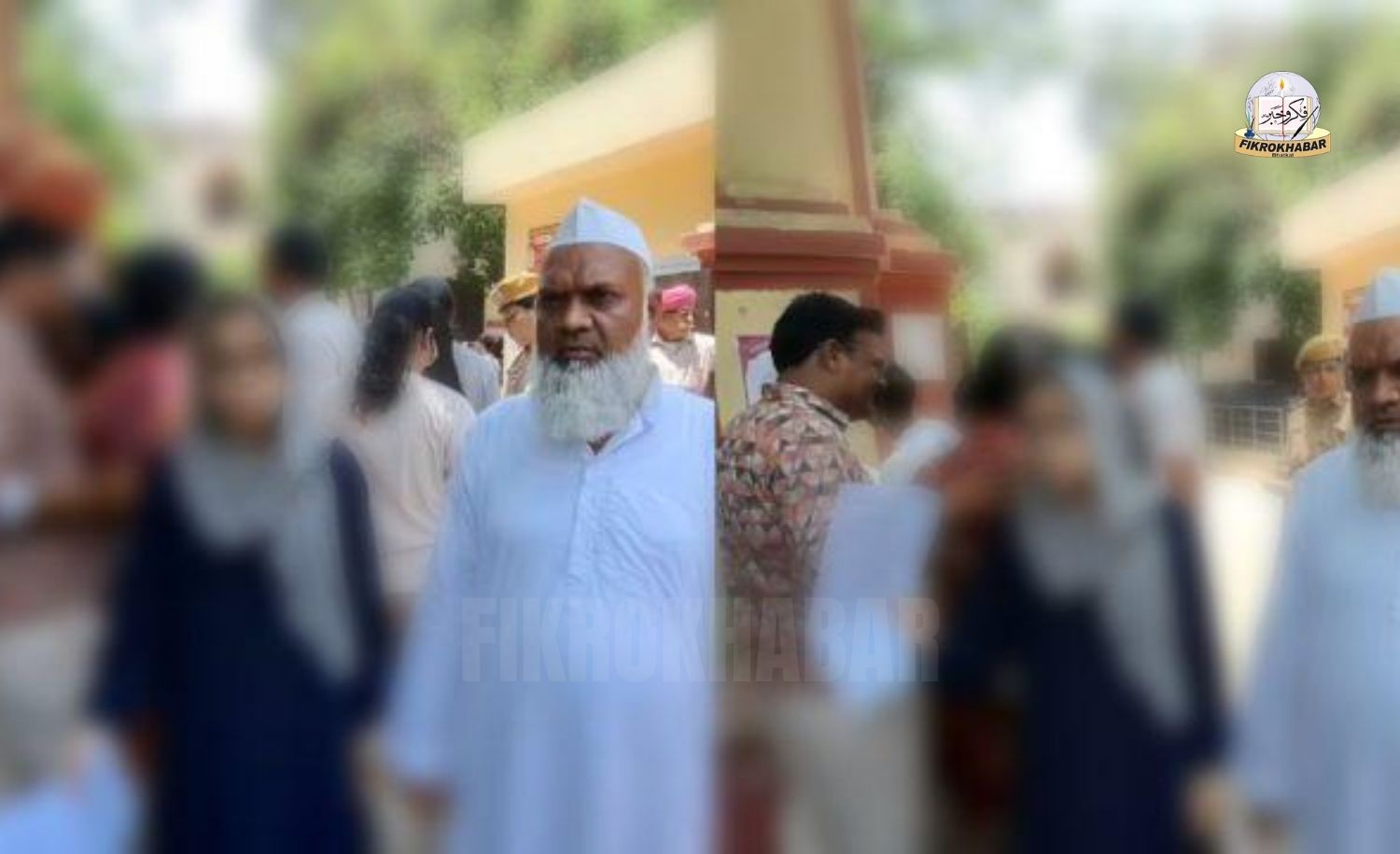

A controversy erupted at a NEET UG 2026 re-examination centre in Rajasthan’s Ajmer district on Sunday after an 18-year-old student was allegedly stopped from entering the examination hall for wearing a burqa and hijab.
The student, Kulsum Bano from Beawar, had arrived at the centre along with her father Mohammed Alam. According to reports, security personnel asked her to remove the burqa and hijab before entering, citing examination hall rules.
Kulsum objected to the decision and said that the National Testing Agency (NTA) guidelines allow candidates to appear in traditional and religious attire. She pointed out that she had appeared in the original NEET examination held on May 3 wearing the same attire without facing any objection.
Speaking about the incident, the student said that if she was not allowed to appear in her religious dress, she was ready to leave the examination. She stated that her identity and dignity were important to her and questioned why a student should face such difficulty on an important examination day.
Her father also supported her stand and referred to the examination guidelines, stating that religious clothing is permitted under the rules. He added that he had requested a female staff member for the security check, but the request was initially not accepted.
After the matter gained attention, Ajmer Police intervened and held discussions with senior officials. Circle Officer Shivam Joshi said that the confusion regarding the guidelines was resolved and the student was allowed to enter the examination centre peacefully.
The NEET UG 2026 re-examination was conducted under strict security arrangements across the country following the cancellation of the earlier exam due to alleged irregularities. Authorities deployed extensive monitoring systems, including CCTV surveillance and other security measures, to ensure a transparent examination process.