
Muslim Women’s Representation in Lok Sabha Remains Extremely Low Since Independence
Only 18 Muslim women have been elected to the Lok Sabha since 1947, with none from South India and several terms seeing zero representation
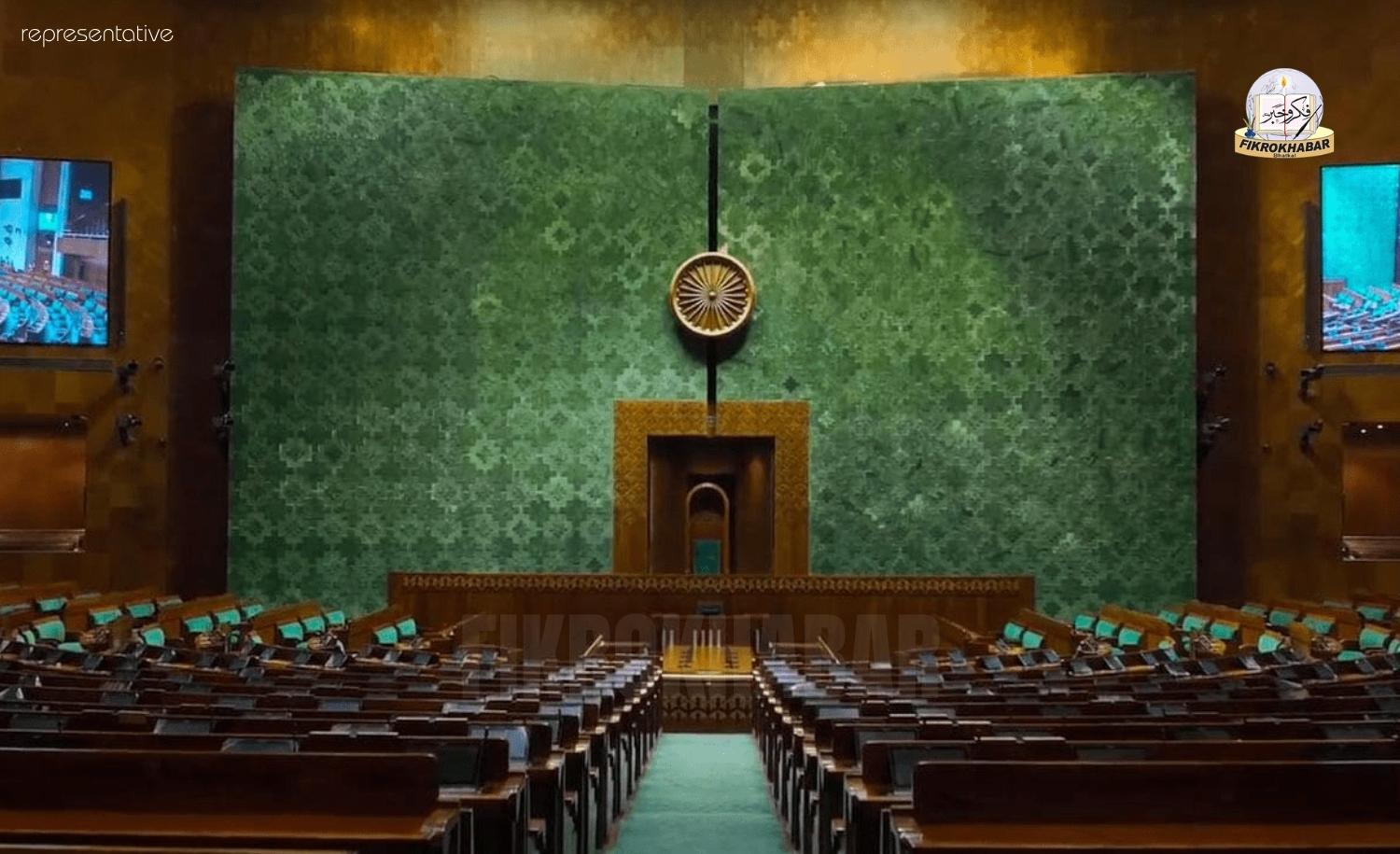

The representation of Muslim women in India’s Lok Sabha has remained strikingly low since Independence. According to available data, only 18 Muslim women have ever been elected to the lower house of Parliament, despite Muslims making up about 7.1 percent of the country’s population.
Even more concerning is that in five separate Lok Sabha terms, there was not a single Muslim woman member. This highlights a consistent gap in political representation over the decades.
Another notable pattern is that most of these women came from political backgrounds. Out of the 18, as many as 13 belonged to established political families, suggesting limited opportunities for first generation leaders to enter Parliament.
Geographically, the absence is equally significant. No southern state, including Kerala, Tamil Nadu, Karnataka, Andhra Pradesh, or Telangana, has ever elected a Muslim woman to the Lok Sabha.
The issue has been examined in the book “Missing from the House, Muslim Women in the Lok Sabha” by Rasheed Kidwai and Ambar Kumar Ghosh. The authors describe the situation as deeply concerning, pointing out the long periods without any Muslim woman representation.
At present, there is only one Muslim woman member in the Lok Sabha, Iqra Hasan Choudhury from the Samajwadi Party.
The topic has recently gained attention in Parliament during discussions on women’s reservation. Samajwadi Party MP Dharmendra Yadav called for including Muslim and OBC women within the reservation framework, stating that his party may oppose the Bill if such provisions are not made. He also raised concerns about separating delimitation from the Census.
However, his remarks faced strong opposition from the government. Union ministers Amit Shah and Kiren Rijiju argued that reservations based on religion are not allowed under the Constitution. Rijiju emphasized that discussions should focus on women across the country as a whole.
Responding to this, Samajwadi Party chief Akhilesh Yadav questioned whether Muslim women should not be considered part of the larger population of women. He also raised concerns about the government’s reluctance to conduct a caste census.
The debate has once again brought attention to the long standing issue of representation and inclusion of Muslim women in India’s political landscape.