
Muslim Personal Law Board Rejects High Court Verdict on Kamal Maula Mosque, To Move Supreme Court
The All India Muslim Personal Law Board has opposed the Madhya Pradesh High Court ruling declaring Bhojshala as a Saraswati temple and pledged support for a Supreme Court challenge.
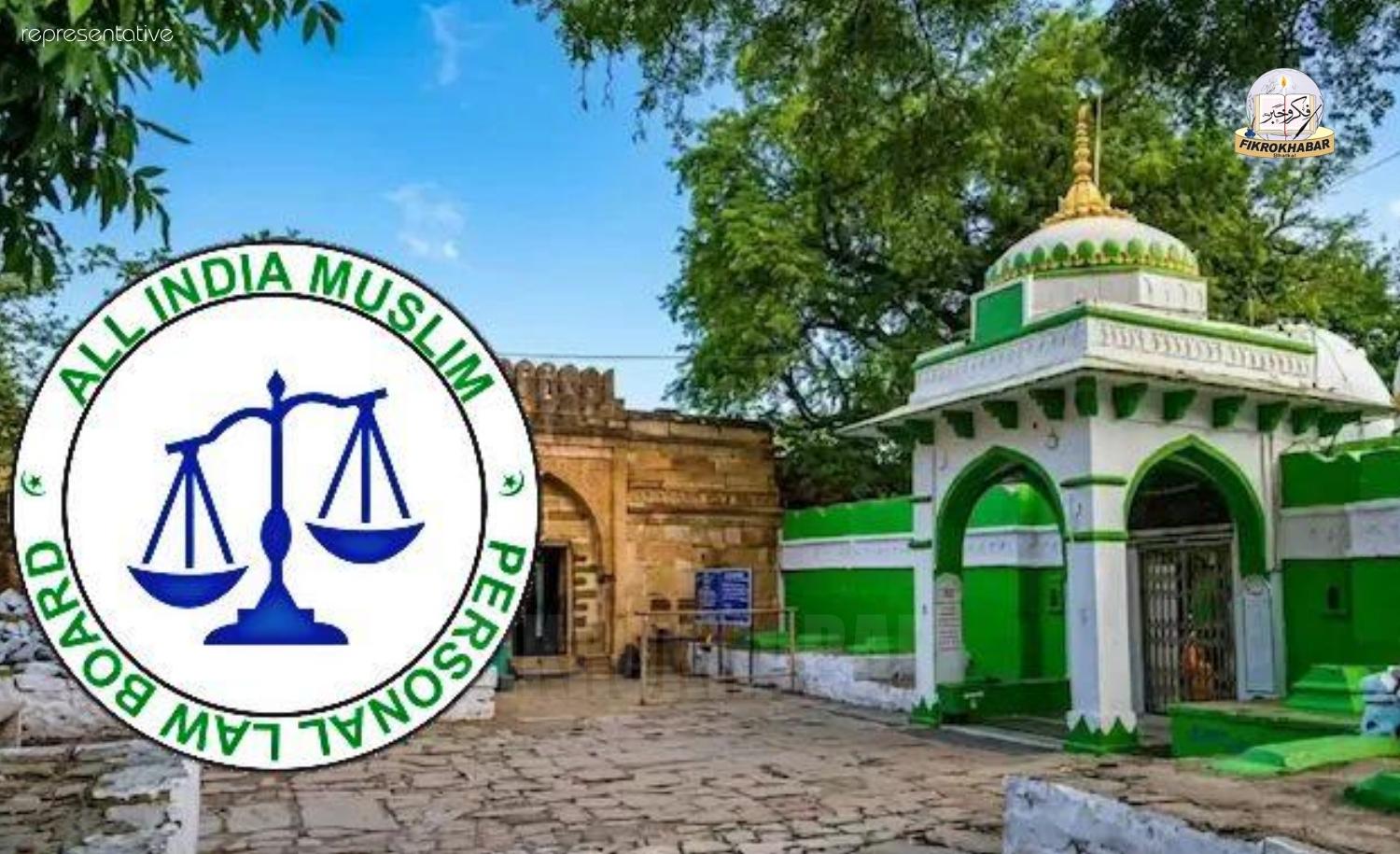

The All India Muslim Personal Law Board has strongly objected to the recent Madhya Pradesh High Court decision that identified the historic Bhojshala and Kamal Maula Mosque site as a Saraswati temple. The Board described the verdict as unjust and contrary to historical evidence and announced that it would fully support the Kamal Maula Mosque Committee in challenging the order before the Supreme Court.
The statement comes at a time when debates surrounding the status of religious places are continuing across the country.
In a press statement, Board spokesperson Dr Syed Qasim Rasool Ilyas expressed serious concern over the judgment. He said the ruling ignored historical records, revenue documents and official records from the colonial period that recognised the site as a mosque where Muslims had been offering prayers for centuries.
According to the Board, the decision goes against the spirit of the Places of Worship Act, 1991, as well as constitutional principles protecting religious freedom and existing places of worship.
The Board also pointed out that the Archaeological Survey authorities had for many years acknowledged the site’s shared religious character. Official signboards and government records had referred to the location as both Bhojshala and Kamal Maula Mosque.
It further noted that in 2003, the administration had introduced a system allowing Hindus to perform पूजा on Tuesdays while Muslims were permitted to offer Friday prayers at the site. The Board argued that this arrangement itself showed that authorities had recognised the rights of both communities.
Criticising the High Court ruling, the Board said the court relied heavily on findings from a recent survey, including ancient pillars and inscriptions, while overlooking documentary evidence presented by the Muslim side showing that the structure had consistently been recorded as a mosque in official records.
The organisation also argued that the reuse of older architectural material was common in medieval structures and that the discovery of such remains could not legally erase the centuries old identity of an existing mosque.
The Muslim Personal Law Board reaffirmed its support for the Kamal Maula Mosque Committee and said it would stand firmly with them in the legal battle before the Supreme Court.
The Board stated that giving preference to cultural narratives over continuous religious practice and documented historical records was against the principles of justice. It expressed hope that the Supreme Court would examine the matter in accordance with the Constitution and the rule of law.