
Maulana Arshad Madani Opposes Proposed UCC Rollout in 21 NDA Ruled States
Jamiat chief questions impact of Uniform Civil Code on constitutional and religious rights
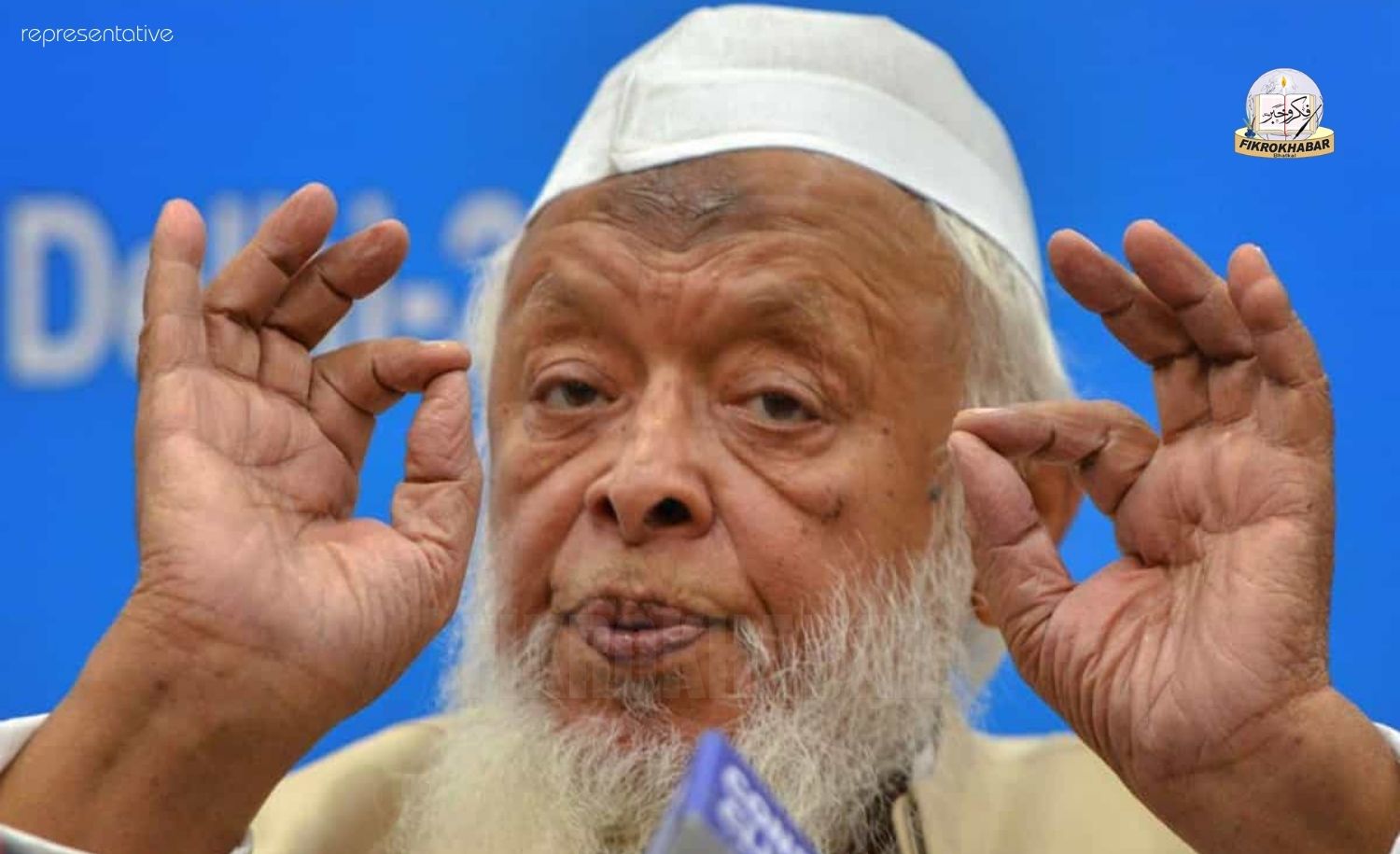

New Delhi: Jamiat Ulama i Hind president Maulana Arshad Madani has criticised the proposed implementation of the Uniform Civil Code (UCC) across all 21 states governed by the BJP led National Democratic Alliance, questioning how the proposed legislation would relate to constitutional and religious freedoms.
Union Home Minister Amit Shah said on September 13 that he was confident the UCC would be implemented in all 21 NDA ruled states before 2029. He said the UCC had already been introduced in several states and would be extended to the remaining NDA ruled states before the next Lok Sabha elections.
Reacting to the announcement, Maulana Madani questioned whether the country would be governed primarily through constitutional provisions or through the ideological agenda of a political party.
He described the proposed expansion of the UCC as a matter involving constitutional and religious rights. According to Madani, the implementation of a common civil code could affect provisions governing Muslim personal law and the religious freedoms guaranteed under the Constitution.
Maulana Madani said Jamiat Ulama i Hind is pursuing legal action against the UCC in the Uttarakhand High Court. He stated that several hearings have taken place in the case and that senior advocate Kapil Sibal and other lawyers have represented the organisation.
He also said the organisation could not accept legal provisions that it believes conflict with Islamic personal law. According to Madani, Muslim family laws are based on the Quran and Hadith and therefore cannot be treated simply as laws created by individuals.
The Jamiat chief questioned the need for a mandatory common civil code when different legal provisions and state specific laws already exist in India. He also referred to constitutional protections concerning Scheduled Tribes and asked why similar consideration should not be given to religious freedoms under Articles 25 and 26.
The UCC is intended to establish a common framework of personal laws covering matters such as marriage, divorce, inheritance and adoption irrespective of religion. The proposal has been the subject of political and legal debate, with supporters arguing for greater uniformity in personal laws while critics have raised concerns about religious freedom, community specific practices and constitutional protections.
Uttarakhand became the first state to fully enforce a UCC law. Other states have also taken steps towards introducing or preparing UCC related legislation.
Maulana Madani further questioned the argument of having one country and one law by pointing to variations in laws and their implementation across different states. He maintained that the wider debate should also consider India’s constitutional framework, religious freedoms and the existing distribution of legislative powers.
The proposed expansion of the UCC across NDA ruled states is expected to remain a subject of political, legal and public debate as individual states consider the legislation.