
Maruti, Tata and Mahindra Raised Private Concerns Over E20 Fuel, Emails Show
Internal industry communications reviewed by Reuters indicate that leading carmakers had raised concerns about chloride and moisture contamination in E20 petrol despite publicly supporting the government’s fuel rollout.
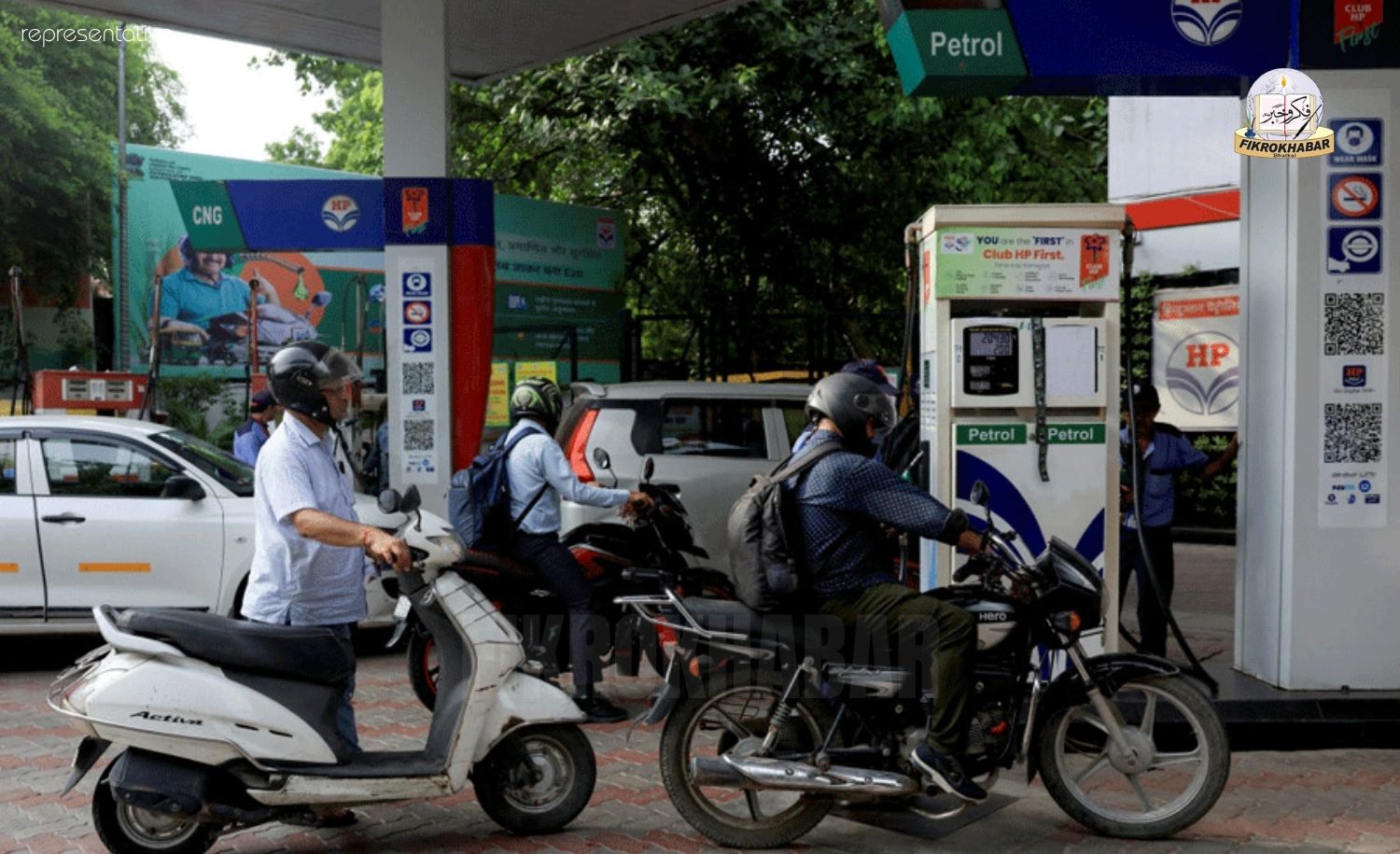

Leading Indian automakers Maruti Suzuki, Tata Motors and Mahindra privately raised concerns about possible contamination in petrol blended with 20 per cent ethanol, known as E20, according to internal industry communications reviewed by Reuters.
The communications emerged shortly after the Centre publicly assured consumers that E20 fuel was safe. The development also came after the Society of Indian Automobile Manufacturers withdrew a complaint it had sent to the government about fuel contamination.
SIAM withdrew its July 28 letter after the warning triggered public and government concern. The industry body said some of the figures in the letter required further verification.
However, separate emails exchanged among industry executives showed that several major carmakers had already been carrying out fuel tests and discussing contamination concerns internally.
The companies reportedly collected more than 250 fuel samples from petrol pumps over a period of one year, covering as many as 21 of India’s 36 states and Union Territories.
The testing indicated elevated chloride levels in samples from 18 states, along with unusually high moisture content.
Maruti Suzuki, Tata Motors and Mahindra together account for about 67 per cent of India’s passenger car market. The companies have publicly supported the transition to E20, which the government says will help reduce pollution and lower India’s dependence on imported crude oil.
E20 has been supplied nationwide since April 1, leaving motorists without a regular petrol alternative in the market. Some vehicle owners have raised concerns about mileage, engine performance and increased wear.
Automakers raise concerns over chloride
The internal communications show that automakers were particularly concerned about chloride contamination.
SIAM had previously warned that excessive chloride could corrode vehicle components, while high moisture levels could cause vehicles to stop functioning soon after refuelling.
Data circulated among industry executives showed chloride levels ranging from 6 to 570 parts per million in Rajasthan, 1.4 to 420 ppm in Delhi and 10 to 357 ppm in Maharashtra.
The government limit is 3 ppm.
The industry data also recorded moisture levels as high as 13,000 ppm in Andhra Pradesh and 12,500 ppm in Uttar Pradesh. The government benchmark is 3,000 ppm.
The precise cause of the contamination remains unclear. SIAM’s withdrawn letter said chloride levels appeared to have increased following the introduction of E20 and called for oil marketing companies to investigate the source.
For moisture contamination, the industry body suggested that poor maintenance of underground storage tanks and pipelines at petrol stations could be a possible cause.
In an email dated July 26, Maruti senior executive Anoop Bhat raised concerns about the chloride findings. He said the issue had also been discussed privately with the Petroleum Ministry.
Bhat said current fuel injectors could tolerate a maximum chloride level of 1 ppm and noted that keeping chloride below that level was consistent with international standards and discussions with the ministry.
Mahindra executive R. Ramaprabhu also raised serious concerns in internal emails. He said organic chloride appeared to be linked to rapid vehicle failures and could damage engines within around 200 kilometres.
He also said Mahindra had substantial fuel sample evidence from retail outlets and believed organic chloride was responsible for many cases reported shortly after vehicles were refuelled.
Government and industry reject alarm over E20
Petroleum Minister Hardeep Singh Puri said oil marketing companies had begun extensive fuel testing at retail outlets two weeks before SIAM submitted its complaint.
According to Puri, only four cases of contamination were identified during those checks.
State owned fuel retailers also said their random and scientific testing had found no reason for consumers to be alarmed about fuel contamination.
SIAM told Reuters that the data circulated internally was intended for discussion and validation. It said the information had been collected by a small number of automakers and that the sample size and testing methodology were not sufficient to support firm conclusions.
The organisation said it withdrew the communication because it had been sent inadvertently and plans to conduct a more comprehensive scientific study.
Mahindra rejected the conclusions drawn from its executive’s emails, saying they were baseless and incorrect. The company said the available industry data was limited and preliminary and maintained that it had no concerns with E20 fuel.
Maruti Suzuki and Tata Motors did not respond to Reuters requests for comment.
The Petroleum and Natural Gas Ministry also did not respond to Reuters’ requests for comment.
The controversy comes as E20 continues to face criticism from motorists, with hundreds claiming that the fuel has affected mileage and increased vehicle wear. The issue has also led to at least one legal challenge.