
Madhya Pradesh Cabinet Clears Uniform Civil Code Bill Ahead of Assembly Session
The proposed law introduces a common civil framework, bans practices such as triple talaq and polygamy, and brings new rules for live in relationships and inheritance.
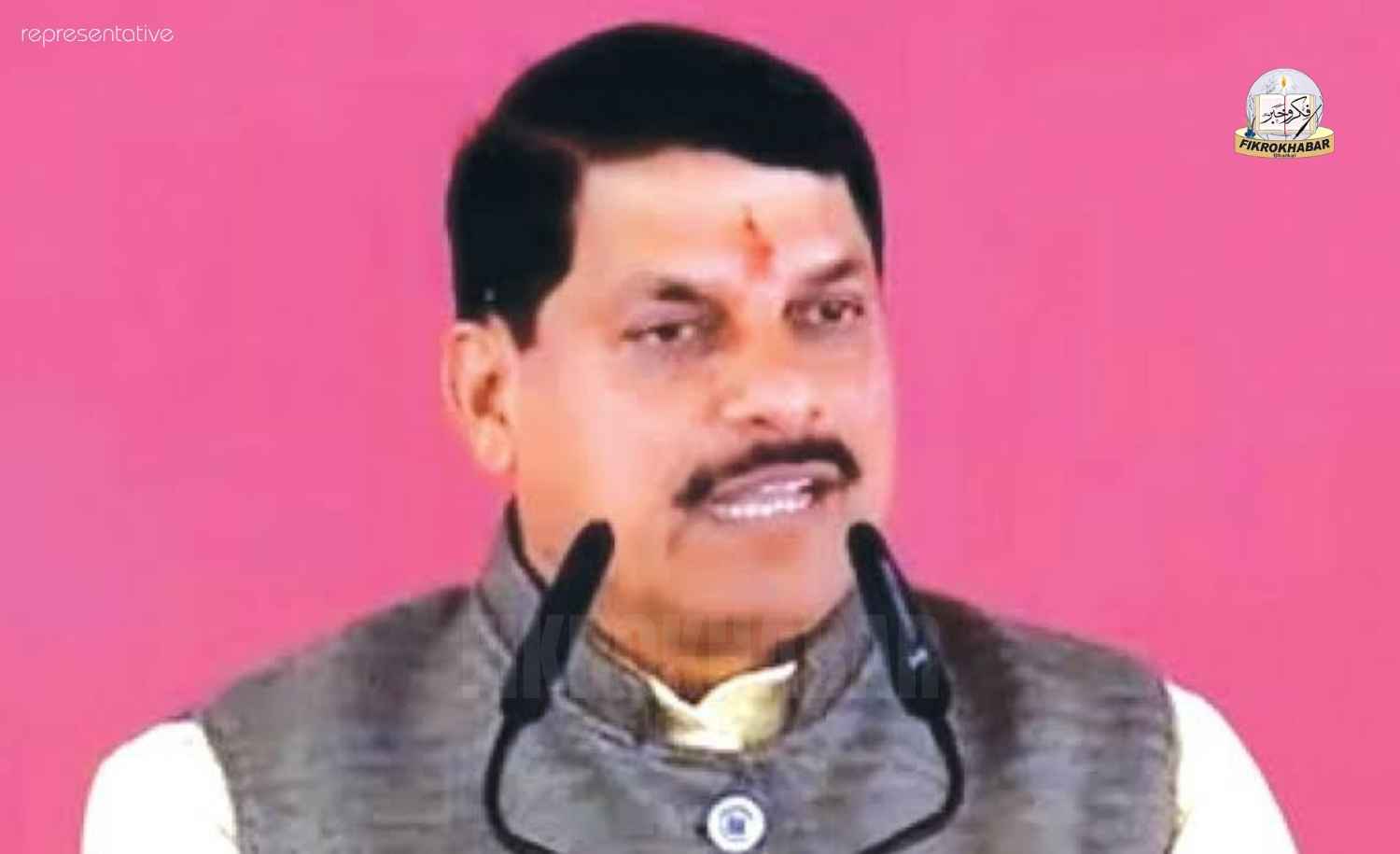

The Madhya Pradesh Cabinet has approved the draft Uniform Civil Code Bill, paving the way for a common set of civil laws that will apply to all citizens regardless of religion. The bill was cleared on Sunday, July 19, and is expected to be introduced in the state assembly during the monsoon session that begins on Monday.
One of the most significant provisions in the proposed law is the requirement for couples in live in relationships to register their partnership. Couples will have to submit a Statement of Live in Relationship to the Registrar within one month of starting to live together. Both partners must be at least 18 years old, give their consent willingly, and meet the legal eligibility criteria.
Anyone who fails to register within the prescribed period could face up to three months in jail or a fine of Rs 10,000. Providing false information may result in three months of imprisonment and a fine of Rs 25,000. Ignoring a notice issued by the Registrar could lead to six months in jail along with a fine of Rs 25,000.
The bill also provides legal protection for women in live in relationships. If a woman is abandoned by her male partner, she will have the right to seek maintenance through the courts, similar to the rights available to a legally married wife. Children born from such relationships will be recognised by law and will enjoy legal rights.
The proposed legislation gives equal legal status to all children born to married parents, including biological children, adopted children, and those born through surrogacy or Assisted Reproductive Technology. It also ensures equal inheritance rights for sons and daughters regardless of their marital status. Widows and widowers will receive equal treatment in matters related to inheritance, while courts will prioritise the best interests of the child in custody disputes.
The bill makes the registration of marriages and divorces compulsory for all communities except Scheduled Tribes covered under the exemption. It also enforces monogamy across all communities and outlaws practices such as triple talaq. Marriages entered into without valid consent or within prohibited relationships, unless permitted by custom, will not be recognised. Promoting or forcing nikah halala after divorce will also become a punishable offence.
Scheduled Tribe communities recognised under Articles 342 and 366(25) of the Constitution, including the Bhil, Gond, Korku, Baiga, Sahariya, and Bharia communities, have been kept outside the scope of the proposed law. Communities protected under Part XXI of the Constitution are also exempt.
Chief Minister Mohan Yadav described the proposed Uniform Civil Code as a major step towards strengthening equality, justice, and secular values. Speaking at a special cabinet meeting held in Jagdishpur near Bhopal, he said the state was moving towards one civil law that would apply equally to every citizen. He added that the draft was prepared by the Justice Ranjana Desai Committee after examining similar initiatives in Uttarakhand, Gujarat, and Assam.
Yadav said the government received positive feedback from both Muslim women and men during the consultation process. According to him, the main objective of the legislation is to remove discrimination against women in matters related to marriage, divorce, and inheritance. The bill retains the existing legal marriage age of 21 years for men and 18 years for women.
The Madhya Pradesh Uniform Civil Code, 2026, seeks to create a modern and uniform civil framework while preserving religious customs that are consistent with the law. The government says the legislation aims to promote gender equality, social harmony, and national unity.