
Karwar Social Forestry Office Reduces Power Bill to Minimum by Selling Surplus Solar Electricity to HESCOM
Government office saves over 80 percent on electricity costs and earns revenue through rooftop solar power.
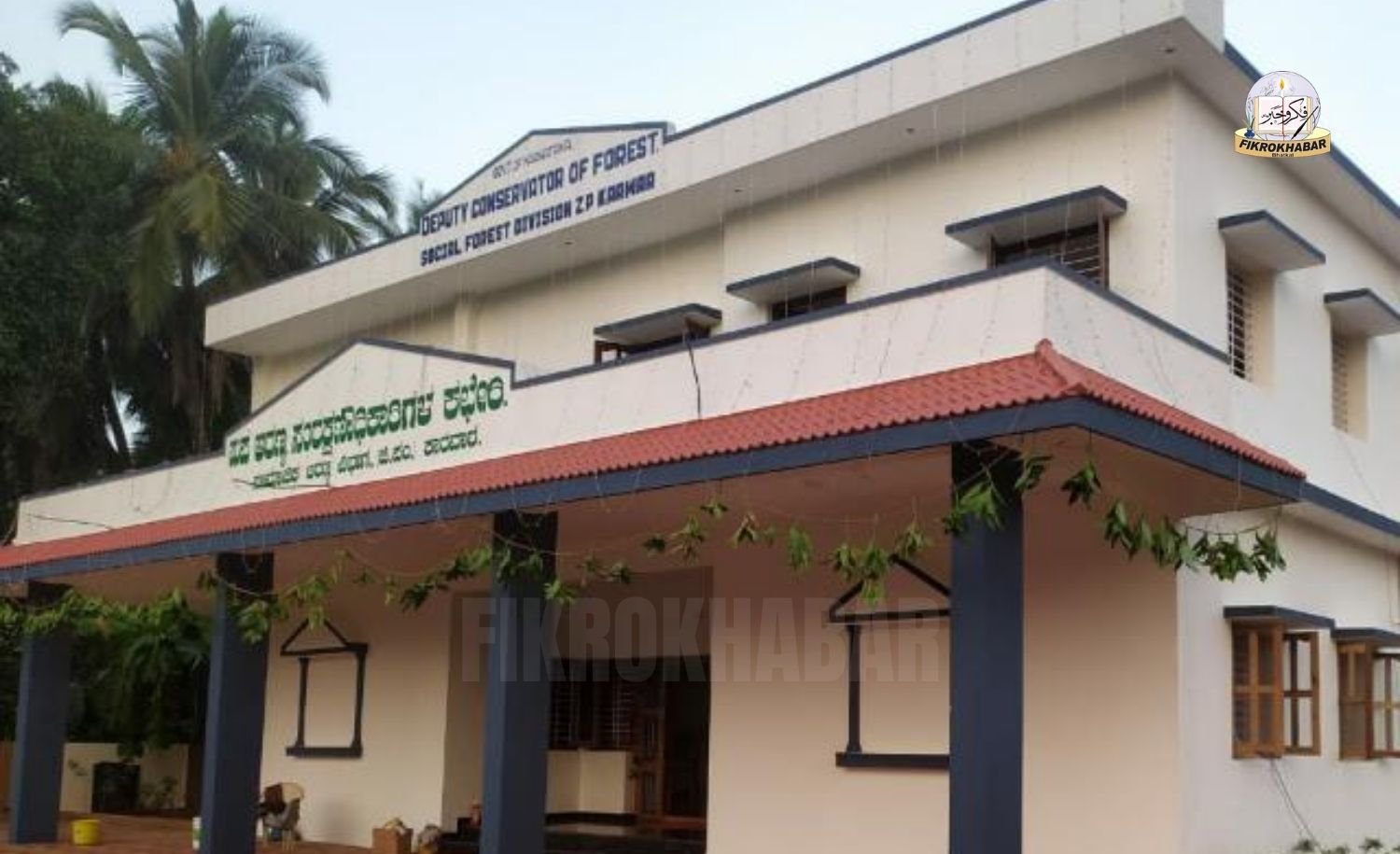

Karwar: The Social Forestry Division office in Karwar has set an example in renewable energy by using rooftop solar power to cut electricity expenses and sell surplus power to HESCOM. The initiative has helped the department move closer to energy self sufficiency while promoting environmentally friendly practices.
The office installed a 5 kilowatt solar rooftop system with a net metering facility at a cost of ₹4.20 lakh. The project became operational in April 2026 and was introduced to encourage clean energy use and reduce electricity expenditure.
The solar plant produces an average of around 600 units of electricity every month. During the summer season, it generated a record 29.5 units in a single day. Even during the ongoing monsoon, the system continues to generate an average of six units of electricity each day despite cloudy weather.
Before the solar installation, the office’s monthly electricity bill ranged between ₹5,000 and ₹6,000. With the net metering system in place, the department now pays only the minimum fixed charge of around ₹1,000 each month, resulting in savings of more than 80 percent.
Electricity generated beyond the office’s daily requirements, including power produced on weekends and public holidays, is supplied to the local electricity grid. HESCOM pays the department ₹3.08 per unit for the surplus electricity. So far, the office has supplied 292 units of excess electricity to HESCOM.
The project was implemented under the guidance of the Chief Executive Officer of the Zilla Panchayat following recommendations made during a DISHA committee meeting to install rooftop solar systems on government buildings across the district.
Deputy Conservator of Forests for the Social Forestry Division, Manjunath Navi, said the initiative demonstrates that environmentally friendly technology can be successfully adopted in government offices. He added that plans are in place to install rooftop solar systems at seven more Social Forestry range offices in the district during the current financial year.
The success of the project highlights how government buildings can reduce electricity costs, support environmental conservation, and move towards greater energy independence through the adoption of solar power.