
Karnataka to Formally Issue Permanent Residential Certificates Online and Offline to Ease SIR Process
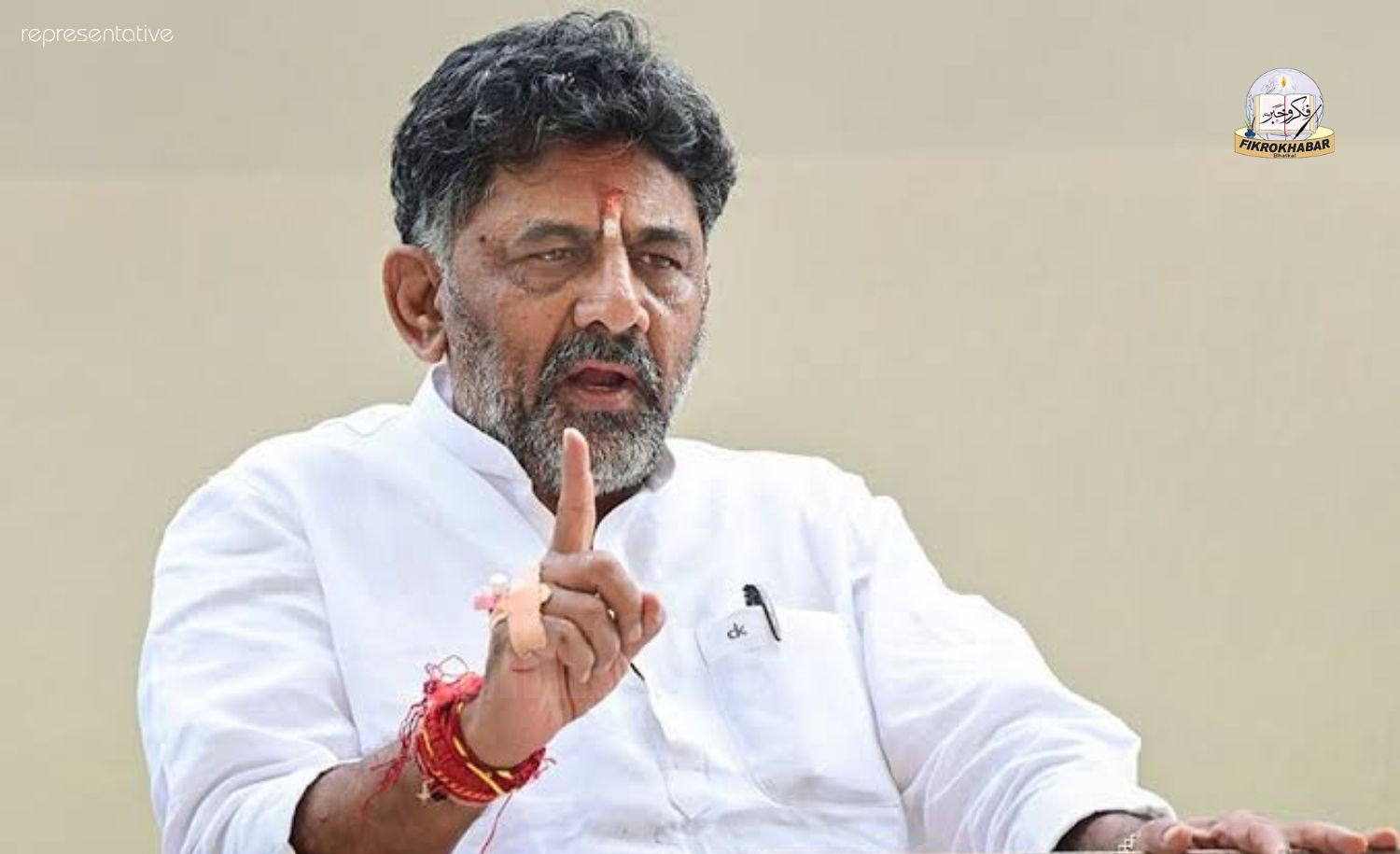

In a major administrative move aimed at removing hurdles in the ongoing voter roll cleanup, Karnataka Chief Minister D.K. Shivakumar announced that the state government will officially issue permanent residential certificates to all eligible citizens. The decision directly addresses previous concerns raised by the ruling party regarding the strict documentation required for the Special Intensive Revision (SIR) process.
The Chief Minister clarified that the Revenue Department has already issued comprehensive operational guidelines to streamline the distribution of these certificates, which will serve as ironclad proof of permanent residency in the state. To maximize public convenience, the state is rolling out both online and offline application avenues.Citizens can instantly apply for the documents through the state’s unified Seva Sindhu digital portal. For those who prefer physical assistance, the state’s existing network of public service centers including the Atal Jana Snehi Kendras, Nadakacheris, Bengaluru One, Karnataka One, and Grama One hubs will process applications. Additionally, the administration is establishing 49,320 dedicated facilitation centers across all voting booths and local municipal wards to assist residents.
Shivakumar also highlighted that approximately 5.5 crore citizens who currently hold valid caste certificates, including those from OBC, SC, and ST communities, can seamlessly download their records digitally to support their residency verification. Local booth-level agents are being deployed on the ground to assist vulnerable families with these downloads.
Emphasizing the extreme urgency of the month-long drive, the Chief Minister urged everyone to compulsorily fill out the enumeration forms brought to their doorsteps by visiting booth-level officers. He pointed out that failure to complete this paperwork before the July 29 deadline would lead to severe complications, including the potential loss of voting rights and a subsequent cutoff from essential government welfare benefits and ration schemes.