
Karnataka Targets 100% Paperless Property Registration Across State from January 1, 2027
The Kaveri 2.0 digital system will cover all 31 districts and 256 Sub-Registrar Offices, aiming to make property registration faster, more transparent and free from cumbersome paperwork.

Bengaluru (Fikrokhabar News): Karnataka is preparing to introduce a fully paperless property registration system across the state from January 1, 2027, in a major step towards digital governance.
If implemented as planned, Karnataka could become the first state in India to achieve 100 per cent paperless property registration.
The initiative, powered by the government’s Kaveri 2.0 portal, will cover all 31 districts and 256 Sub-Registrar Offices across the state.
The new system will use Aadhaar-based electronic signatures, online document verification and biometric authentication to eliminate physical paperwork and reduce unnecessary visits to government offices.
From registering residential properties and houses to transferring agricultural land, the entire process will gradually move to a digital platform.
Under the proposed arrangement, applicants may need to spend only around five minutes at the Sub-Registrar Office for identity verification.
Chamarajanagar Pilot Project Paves the Way
Before introducing the system across Karnataka, the government conducted a pilot project in Chamarajanagar district to assess its effectiveness.
The trial began on April 30, 2026, at the district’s Sub-Registrar Offices.
According to the department, property registrations have been carried out digitally in the district for the past seven months without physical paperwork.
Officials have described the pilot project as successful, reporting no major technical difficulties or complaints from citizens and staff during the trial period.
Encouraged by these results, the government has decided to prepare for a statewide rollout covering all 256 Sub-Registrar Offices by January 1, 2027.
How Will the New Registration System Work?
The proposed digital system will change the way property transactions are completed by shifting most of the existing procedures online.
1. Documents Can Be Uploaded from Home
Property buyers and sellers will no longer need to carry large bundles of documents to registration offices.
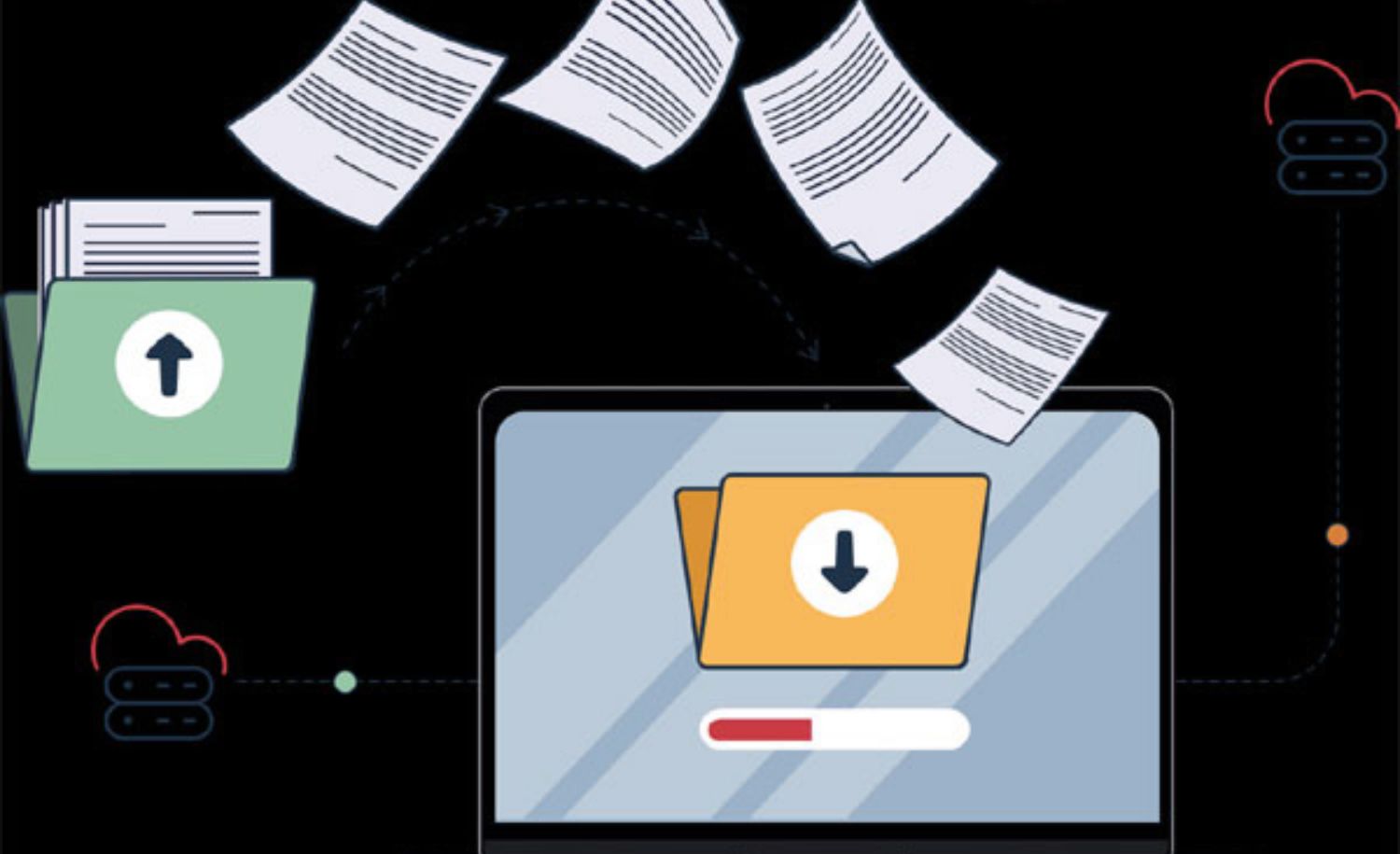
Instead, applicants will be able to upload their draft property registration deeds through the official Kaveri 2.0 portal.
2. Online Verification Before Registration
After submission, the concerned Sub-Registrar will examine the documents online.
Errors involving names, survey numbers and other property details will be identified before the registration process moves forward.
If corrections are necessary, the documents will be returned online to applicants for rectification. This is expected to reduce delays and prevent last-minute complications.
3. Aadhaar-Based Electronic Signatures
The traditional process of manually signing registration documents will be replaced by Aadhaar-based electronic signatures or digital signatures.
Buyers, sellers and witnesses will be able to complete the signing process digitally, making the procedure quicker and more convenient.
4. Only Five Minutes at the Registration Office
One of the major benefits of the proposed system will be the reduction in time spent at Sub-Registrar Offices.
Applicants will mainly need to visit the office for identity verification. Officials will capture live photographs and biometric fingerprints to confirm their identities.
Since document preparation, verification and signing will already have been completed online, the physical visit is expected to take approximately five minutes.
No Middlemen and Greater Transparency
The government expects the digital system to significantly reduce the role of brokers and intermediaries in property registration.
With document verification and fee payments handled online, citizens will have fewer reasons to depend on middlemen to complete official procedures.
The reduction in unnecessary physical interactions is also expected to minimise opportunities for corruption and make the process more transparent and accountable.
Permanent Digital Storage of Property Records
Another important feature of the initiative will be the proposed Karnataka Registered Document Repository.
Registered property documents will be preserved digitally, protecting them from damage caused by fire, rain, termites and theft.
Digital storage is also expected to reduce the possibility of records being lost, altered or tampered with.
Property Documents Can Be Downloaded from Home
Once registration is completed, citizens will be able to download their registered property deeds through the online portal.
This will eliminate repeated visits to government offices to collect physical copies of registered documents.
Easier Verification for Bank Loans
The digital system is also expected to benefit people applying for property-related bank loans.
Banks and financial institutions will be able to verify the authenticity of registered property documents online, making it easier to establish ownership and identify forged records.
This could also help reduce property-related financial fraud.
Major Technology Upgrade Across 256 Offices
To support the statewide implementation, the government is upgrading the technological infrastructure at all 256 Sub-Registrar Offices.
The department is working on installing high-speed servers, modern computer hardware and scanners to ensure the smooth functioning of the digital registration network.
A dedicated IT Cell is also being established to address server failures, technical problems and other operational issues.
The specialised team will be responsible for resolving technical difficulties promptly and ensuring that citizens do not face unnecessary delays due to system failures.
A New Chapter in Karnataka’s Digital Governance
The proposed paperless property registration system represents an important step in Karnataka’s efforts to make public services more transparent, efficient and citizen-friendly.
By bringing document submission, verification, signatures, fee payments and record storage onto a digital platform, the government aims to reduce paperwork, save citizens’ time and limit the involvement of intermediaries.
If the initiative is implemented according to schedule, January 1, 2027, could mark a major transformation in property registration across Karnataka.
For thousands of people buying, selling or transferring property, the new system promises a simpler experience with fewer documents, shorter queues and fewer visits to government offices.