
Supreme Court Postpones Hearing on Voter List Revision and Opposition Petitions Against Election Commission Until December 9
Petitions filed by Rahul Gandhi and 12 other opposition leaders raise concerns over alleged irregularities in the Special Intensive Revision of electoral rolls.
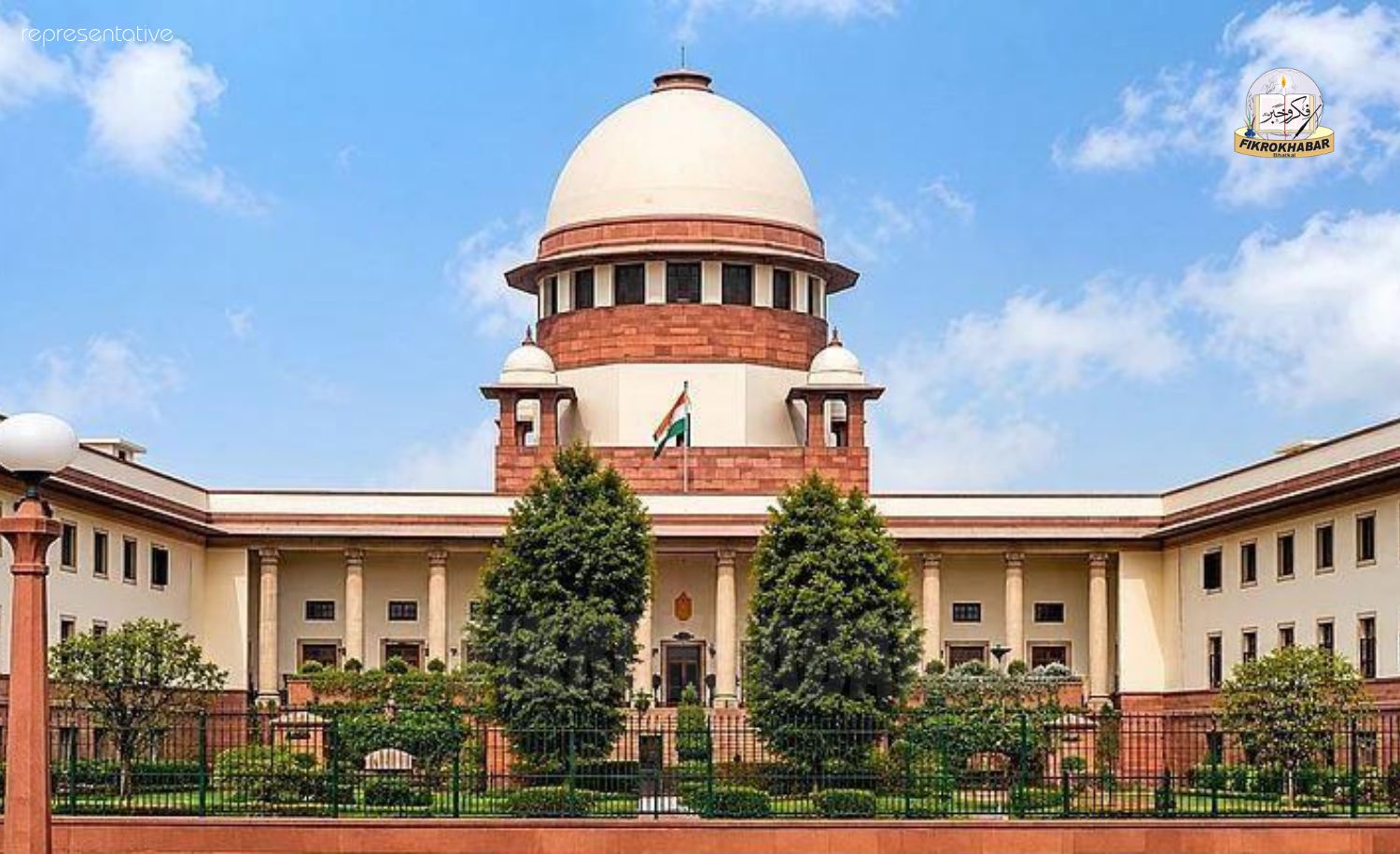

New Delhi: The Supreme Court has postponed until December 9 the hearing on petitions challenging the Special Intensive Revision (SIR) of voter lists in several states and alleged irregularities in the functioning of the Election Commission of India.
The petitions have been filed by Congress leader Rahul Gandhi and 12 other prominent opposition leaders, who have raised concerns over the transparency and fairness of the electoral process.
During Tuesday’s hearing, senior advocate Kapil Sibal appeared on behalf of the petitioners and requested the court to issue notice on a fresh application submitted by the opposition leaders.
However, the Supreme Court decided not to issue notice at this stage, stating that the merits of the new application would be examined during the next hearing.
Through the latest application, the opposition leaders have sought permission to put 48 individual questions to Chief Election Commissioner Gyanesh Kumar, the two Election Commissioners and the Commission’s Director General of Information Technology.
Earlier, on November 16, the opposition alliance submitted a detailed affidavit before the Supreme Court containing 48 key questions concerning alleged vote theft and the revision of electoral rolls.
The petitioners have argued that the Election Commission failed to provide clear and satisfactory answers to their concerns in its response affidavit.
They have alleged that a large number of genuine voters were removed from electoral rolls during the Special Intensive Revision exercise, raising questions about the impartiality of the electoral process.
Among the issues raised by the opposition are questions about the authority behind the decision to conduct a nationwide revision of voter lists, changes made to Form 6 and the central integration of digital platforms such as ERONET and ECINET.
The opposition has also sought clarification on how frequently the two Election Commissioners disagreed with the Chief Election Commissioner over important policy decisions.
In its earlier response, the Election Commission maintained that the authority to amend Form 6 rests with the Central Government rather than the Commission.
The legal dispute gained momentum in October 2026, when opposition parties approached the Supreme Court following nationwide protests over the alleged large scale deletion of voters’ names from electoral rolls.
Taking note of the matter, the Supreme Court had earlier issued notices to the Election Commission and its commissioners, seeking detailed responses to the allegations.
The controversy has brought renewed attention to the importance of accurate voter lists and public confidence in the electoral system. Ensuring that eligible citizens, particularly those from disadvantaged and minority communities, are not unfairly deprived of their voting rights remains a significant concern.
All eyes are now on the December 9 hearing, when the Supreme Court is expected to examine the pending petitions and consider whether opposition leaders should be permitted to directly question senior Election Commission officials.
The next hearing is likely to be an important stage in determining how the legal challenge over voter list revisions and the functioning of the Election Commission proceeds.