
Karnataka Seeks Dedicated Groundwater Conservation Chapter in National School Curriculum
State government urges education authorities to introduce detailed lessons on groundwater protection to help students understand future water and climate challenges.
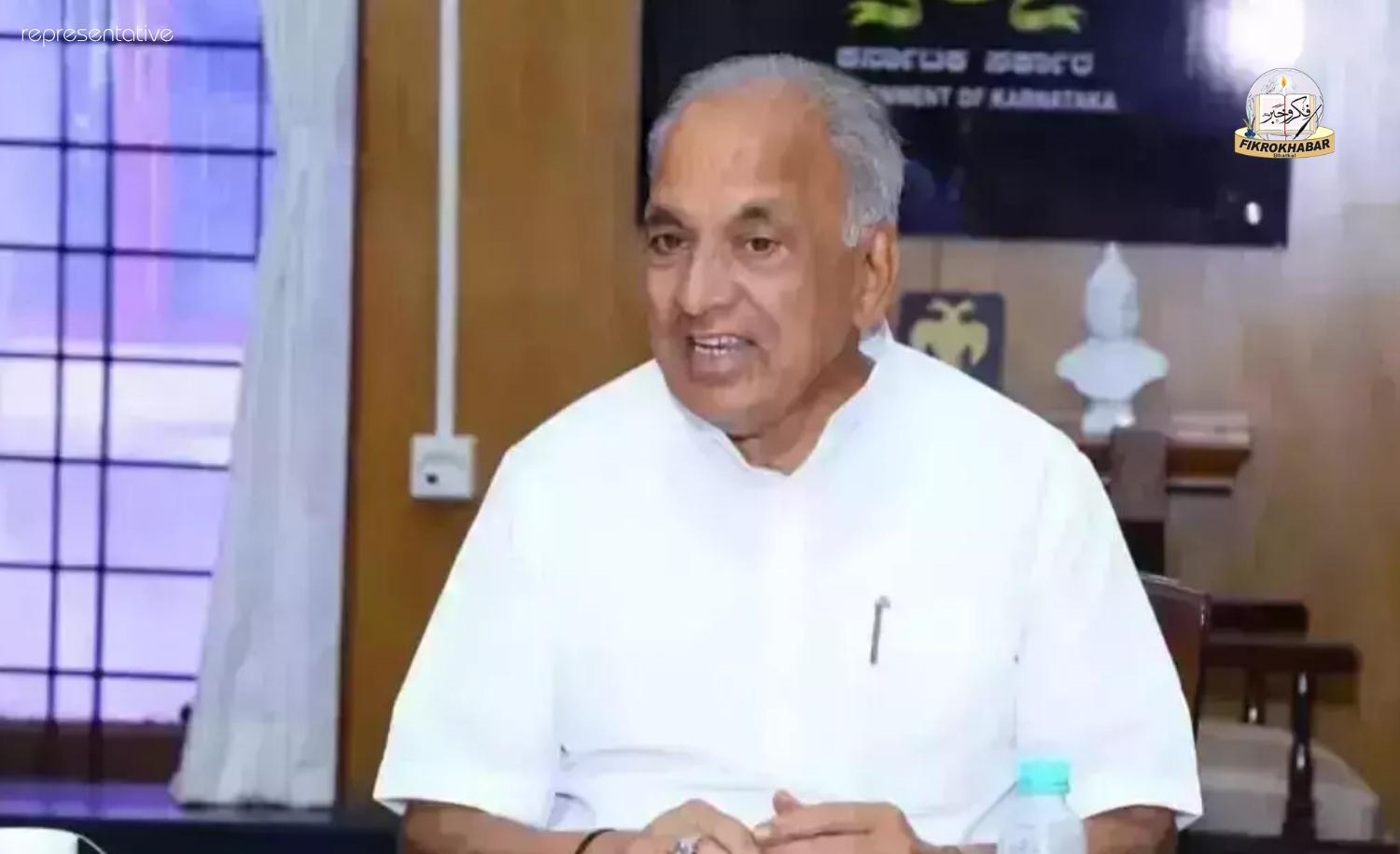

The Karnataka government has urged the Centre and national education authorities to include a separate chapter on groundwater conservation in school textbooks across the country. The proposal was announced by Karnataka Minor Irrigation, Science and Technology Minister N.S. Boseraju, who said the state has formally requested the inclusion of the topic in future NCERT syllabus revisions.
According to the minister, current Class 10 social science textbooks discuss water resources mainly from the perspective of rivers, lakes, and other surface sources, while giving very little attention to groundwater. He stressed that groundwater remains one of the country’s most important freshwater resources and plays a major role in meeting domestic and agricultural needs.
Boseraju noted that a large share of accessible freshwater exists beneath the ground and supports millions of households and farmers across India. He warned that rising demand, climate change, and declining surface water reserves are placing increasing pressure on underground aquifers.
The state government also highlighted concerns over the growing number of overexploited groundwater regions in India over the past two decades. Along with depletion, officials pointed to worsening water quality caused by chemical pollution and excessive extraction.
Karnataka believes awareness about water conservation must begin at the school level to prepare future generations for the challenges ahead. The proposal referred to international education systems, including those in the United States, where students are taught scientific concepts related to groundwater, aquifers, soil permeability, water movement, and pollution control.
The state has suggested that the new curriculum content be introduced from the 2027 to 2028 academic year. Officials said the proposed chapter should include both scientific understanding and practical conservation methods.
The recommendations include lessons on rainwater harvesting, artificial groundwater recharge, green roofing systems, artificial wetlands, and modern filtration techniques. Karnataka has also proposed adding topics such as digital water monitoring, satellite based mapping, remote sensing technologies, and central government water conservation programmes.
Boseraju said long term solutions to the water crisis cannot rely only on infrastructure projects. He stressed that educating children about water preservation and responsible resource management is essential for securing the country’s future water needs.