
Jamiat Ulama e Hind Announces Nationwide Campaign to Protect Mosques, Madrasas and Waqf Properties
Two day meeting in Haryana’s Nuh adopts three resolutions on minority rights, religious freedom, places of worship and opposition to the Uniform Civil Code.
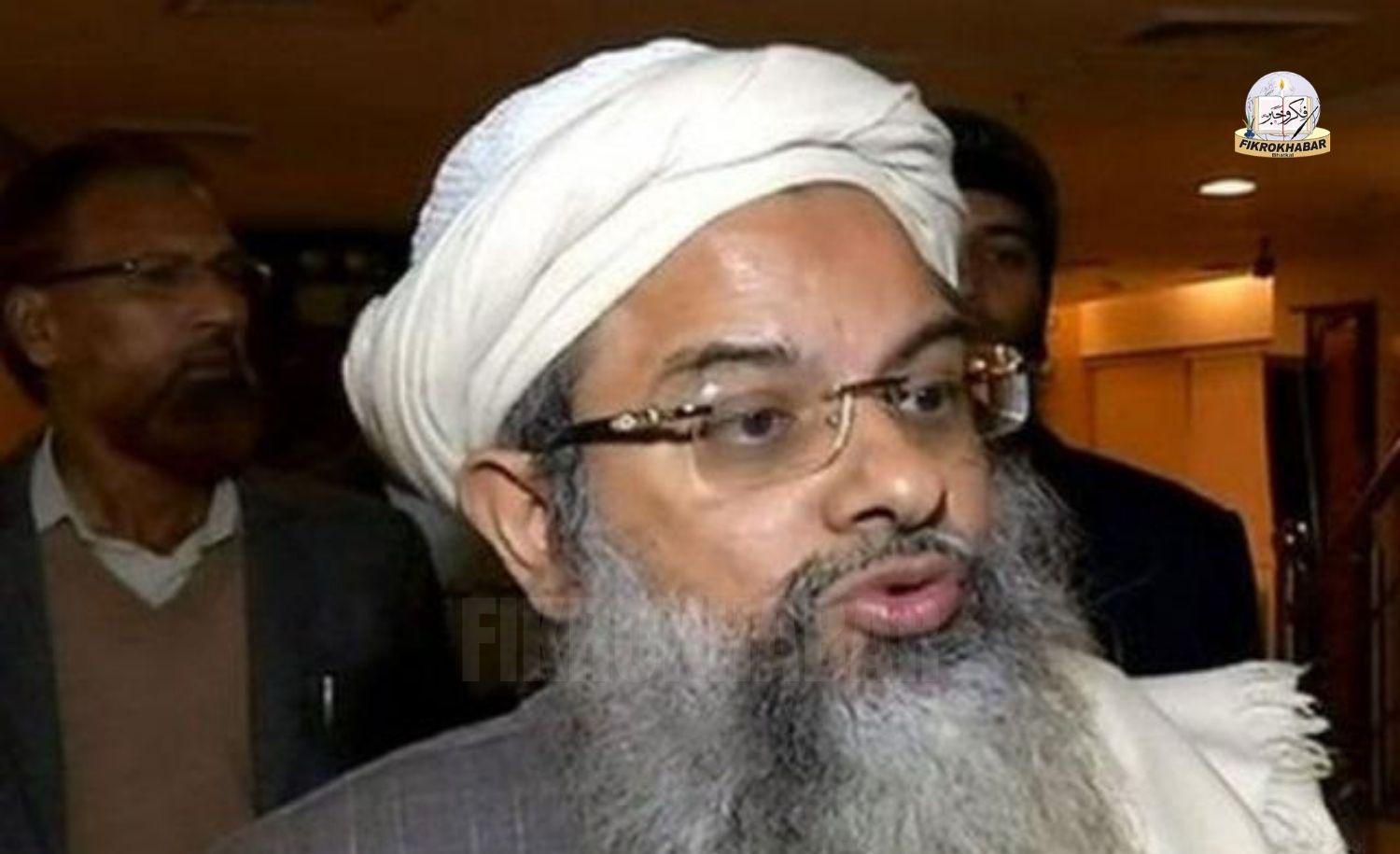

Jamiat Ulama e Hind, led by Maulana Mahmood Madani, has announced a nationwide campaign to protect mosques, madrasas, Eidgahs, shrines and Waqf properties, while calling for an immediate halt to what it described as demolition drives targeting religious and minority institutions.
The announcement was made during the annual meeting of the organisation’s Majlis e Muntazima, held over two days at Papaka, Sahsula Patti, in Haryana’s Nuh district. Around 2,000 members, senior Islamic scholars and intellectuals from different parts of the country attended the meeting, which was chaired by Jamiat president Maulana Mahmood Asad Madani.
After detailed discussions on constitutional rights, religious freedom and the protection of places of worship, the meeting unanimously adopted three major resolutions.
Resolution on Madrasas and Minority Educational Institutions
The first resolution expressed concern over what the organisation described as harassment of minority educational institutions and madrasas through recognition requirements, financial inspections and alleged misinformation.
Jamiat urged the central and state governments to respect the educational autonomy granted to minorities under Articles 29 and 30 of the Indian Constitution and called for an end to what it termed one sided actions against these institutions.
The organisation also advised madrasa administrators to maintain transparent and legally compliant records of land ownership, building plans, student verification documents and financial accounts. It said proper documentation and regular audits would help prevent technical shortcomings from being misused against educational institutions.
Resolution on Protection of Mosques and Islamic Heritage Sites
The second resolution focused on the protection of mosques, shrines and Islamic historical sites.
The meeting stated that mosques and dargahs form an important part of the religious identity of Muslims and are protected under Articles 25 and 26 of the Constitution, which guarantee freedom of religion and the right to manage religious affairs.
The resolution called for strict implementation of the Places of Worship (Special Provisions) Act, 1991. It also referred to the Supreme Court’s observations on the importance of the law in preserving the secular character of the Constitution.
The organisation expressed concern over survey orders issued by lower courts concerning historical places of worship, including the Shahi Jama Masjid in Sambhal. It appealed to higher judicial authorities to ensure compliance with the Supreme Court’s interim orders dated December 12, 2024.
The meeting also stressed that municipal bodies, revenue departments and development authorities must follow due legal procedures before taking any demolition action. It called for proper hearings and adherence to established legal safeguards instead of arbitrary administrative decisions.
Resolution Rejecting the Uniform Civil Code
The third resolution rejected the Uniform Civil Code (UCC), describing it as unsuitable for India’s multi religious and diverse society.
Jamiat maintained that the proposed code could restrict fundamental religious rights and opposed what it termed compulsory interference in personal and family laws. The organisation said every citizen should be allowed to live according to their religious beliefs and constitutional protections.
Nationwide Memorandum Campaign Announced
As part of its proposed action plan, the Majlis e Muntazima decided that Jamiat’s units across states, districts and taluks would submit memorandums to administrative authorities on a designated date, outlining the organisation’s demands.
The meeting also instructed all subordinate units to work with the legal and management committees of mosques and dargahs to complete and secure essential property documents within six months.
These records include revenue documents relating to land ownership, Waqf papers and municipal tax payment records. The organisation said the exercise was intended to strengthen the legal documentation of religious properties.
The meeting concluded with an appeal to constitutional institutions and citizens committed to justice to uphold the rule of law and protect the dignity and rights of minorities.
Jamiat said the proposed initiatives aim to address concerns among minority communities and prevent fear and uncertainty arising from arbitrary administrative actions.