
India Releases Haj Policy 2027 With New Rules on Quota, Eligibility, Senior Pilgrims and Short Haj Package
The policy gives 70 percent of India’s Haj quota to the Haj Committee of India and introduces clear rules for women, elderly pilgrims, health checks and a 20 day short package.
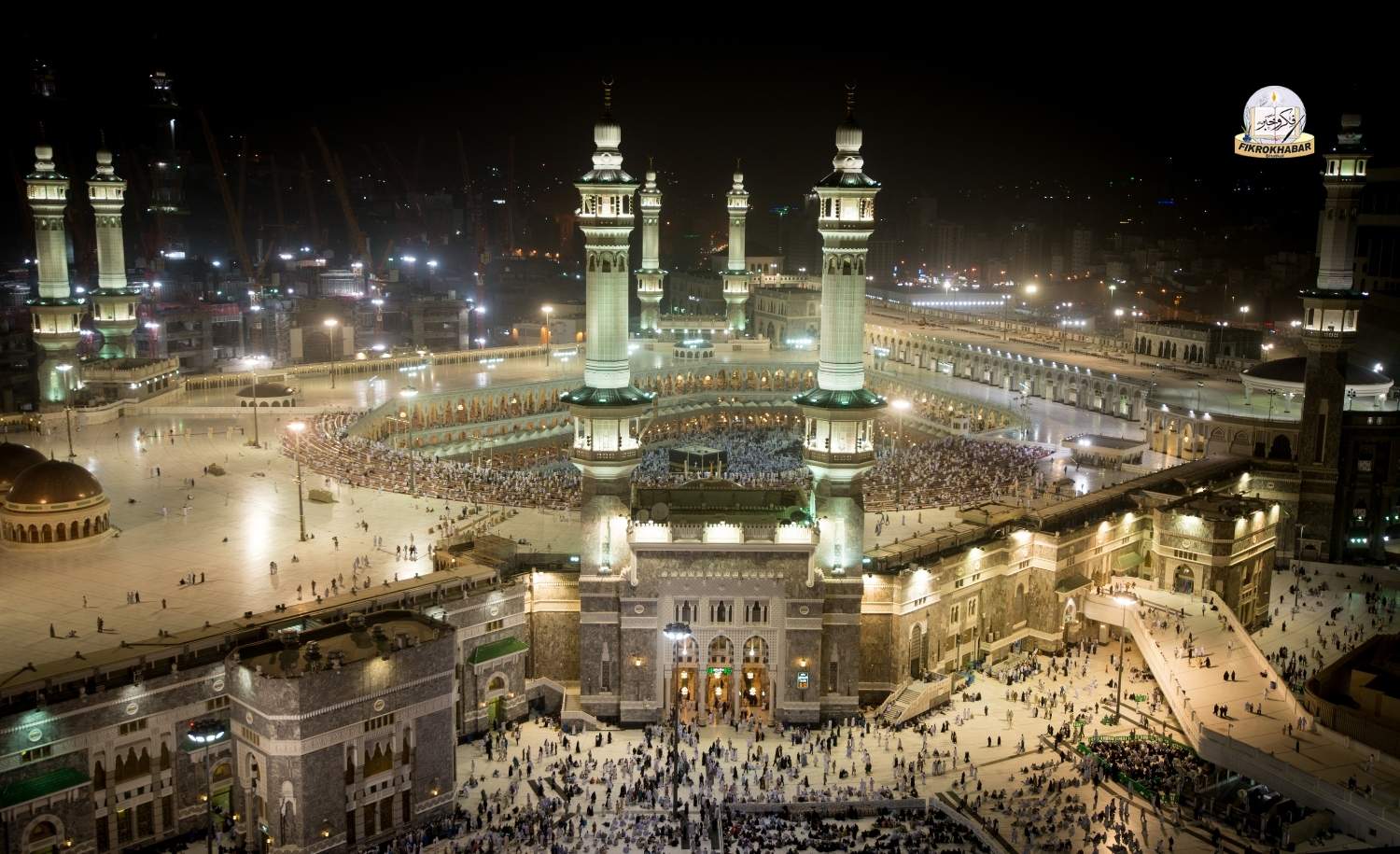

The Government of India has released the Haj Policy 2027, outlining key rules for pilgrims planning to travel through the Haj Committee of India.
According to the policy, 70 percent of India’s Haj quota will be allotted to the Haj Committee of India, while the remaining 30 percent will go to Haj Group Organisers.
The policy continues the rule that Haj through the Haj Committee of India is allowed only once in a lifetime. Anyone who has already performed Haj through HCoI will not be eligible to apply again, except in specific cases such as Mehram or companion support for eligible pilgrims.
Special attention has been given to elderly pilgrims. Any pilgrim aged 65 or above must travel with a companion. Such pilgrims will not be registered alone. For women travelling without Mehram who are 65 or above, a female companion aged between 45 and 60 years is compulsory.
Women aged 45 or above who do not have a male Mehram may apply to travel in groups of four or more, if permitted by their school of thought. The policy also says single women may apply, subject to Saudi Arabia’s conditions, and the Haj Committee may form groups for them.
Applications for Haj 2027 can be submitted online through the Haj Committee of India website or through the Haj Suvidha mobile app. Pilgrims are also expected to become familiar with the Haj Suvidha app, which provides access to training material, accommodation details, flight information, baggage updates, emergency support, grievance redressal, feedback, translation and other pilgrimage related services.
The policy says applicants must be physically, mentally, financially and behaviorally fit for the pilgrimage. A valid machine readable Indian passport is required. People with serious medical conditions, those facing court restrictions on foreign travel, children below 15 years of age subject to Saudi guidelines, and applicants who give false information will not be allowed to proceed.
A cover can include a minimum of one and a maximum of five adult applicants. Only family members or near relatives should be included in one cover.
Seat allotment will follow a priority system. First preference will be given to pilgrims aged 65 or above, including women without Mehram in that age group. The second priority will be women without Mehram aged between 45 and 65. The third category will cover the top 20 percent of final waitlisted applicants from Haj 2026, followed by new general category applicants for Haj 2027.
Where applications exceed the quota, selection will be done through Qurrah, a computerized draw of lots. Waitlisted applicants will be confirmed later if seats become available due to cancellations.
The policy also introduces a possible Short Haj Package with a total stay of 20 days in Saudi Arabia for up to 10,000 pilgrims. Applicants can choose this option while submitting the Haj Application Form. The Short Haj Package will be available only from selected embarkation points, including Ahmedabad, Bengaluru, Chennai, Cochin, Delhi, Hyderabad, Kolkata and Mumbai.
For regular Haj pilgrims, the stay in Saudi Arabia may be up to 40 to 45 days, depending on the airline schedule and official approvals.
Medical screening is compulsory for every applicant. Selected pilgrims will also need a Health and Training Card, vaccination certificate for meningitis, and oral polio vaccination before travel. Special health screening will be carried out for pilgrims aged 60 or above due to the physically demanding nature of Haj.
The policy also warns pilgrims to perform Adahi or Qurbani only through entities authorised by Saudi Arabia and not to fall prey to fraudsters.