
India Approves Vehicles Powered by 100 Percent Ethanol, Nitin Gadkari Announces Major Policy Shift
The government has cleared the legal framework for E100 fuel, paving the way for vehicles that run entirely on ethanol and reducing dependence on imported crude oil.
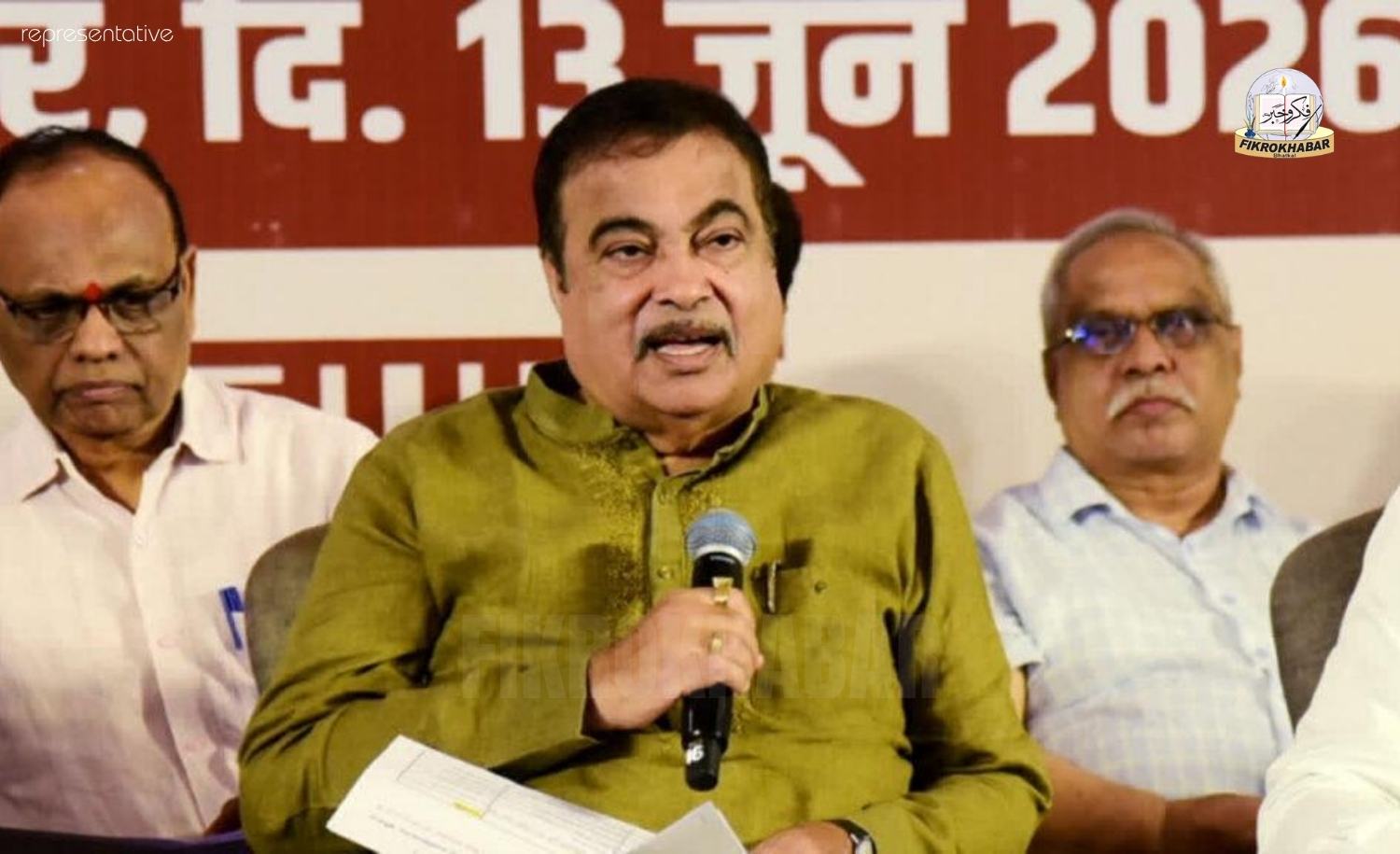

India has taken a significant step toward cleaner and more sustainable transportation with the approval of a legal framework for vehicles powered entirely by ethanol fuel. Union Minister for Road Transport and Highways Nitin Gadkari announced that the government has officially cleared the path for the use of E100 fuel, allowing automobiles to operate on 100 percent ethanol instead of petrol.
Speaking at a press conference in Nagpur, held to mark 12 years of Prime Minister Narendra Modi’s leadership, Gadkari revealed that he had recently signed the file granting legal recognition to E100 fuel. He described the move as an important milestone in India’s efforts to promote alternative energy sources and reduce dependence on imported fossil fuels.
According to Gadkari, India currently spends around ₹22 lakh crore annually on crude oil imports, creating a substantial burden on the country’s economy. He said ethanol offers a cost effective and environmentally friendly alternative to conventional fuels. Expanding the use of biofuels, gas, and other domestic energy sources could significantly reduce the nation’s reliance on foreign oil in the coming years.
Highlighting developments in the automobile sector, the minister pointed to a flex fuel version of the WagonR developed by Maruti Suzuki, which is capable of running entirely on ethanol. He noted that progress is not limited to passenger cars, as manufacturers are also introducing ethanol powered motorcycles.
Gadkari said Hero MotoCorp has already unveiled two motorcycle models designed to operate on 100 percent ethanol. He further claimed that within the next two months, major automobile companies including Suzuki, Toyota, and Hyundai are expected to introduce more ethanol compatible vehicles in the Indian market.
Reflecting on the challenges faced while promoting alternative fuels, Gadkari said the idea initially attracted skepticism and criticism. He recalled instances when misinformation about ethanol technology was widely circulated, with some critics questioning its practicality and reliability.
Sharing an anecdote, he mentioned receiving a complaint from a vehicle owner who blamed ethanol for damage to his jeep. However, Gadkari pointed out that the vehicle operated on diesel, a fuel that does not contain ethanol blends. He said such misconceptions have gradually faded as awareness about the benefits of ethanol has increased.
The minister emphasized that ethanol is not only beneficial for the environment but could also play a transformative role in strengthening India’s economy by lowering fuel import costs and encouraging domestic energy production.
During the event, Gadkari also highlighted several infrastructure projects underway in Nagpur under the state and central government’s development initiatives. These include metro rail expansion, oxygen parks, bird parks, adventure tourism facilities, and educational institutions aimed at boosting the city’s growth.
With the approval of the E100 framework, industry experts believe India is entering a new phase in the transition toward greener transportation and cleaner energy solutions.