
Former Telegraph Editor Loses Passport Access After Voter List Deletion, Sparks Concern Over Electoral Roll Revision
R. Rajagopal says his name was removed from the voter list and his passport renewal was blocked, raising fresh questions over the impact of the electoral roll revision process.
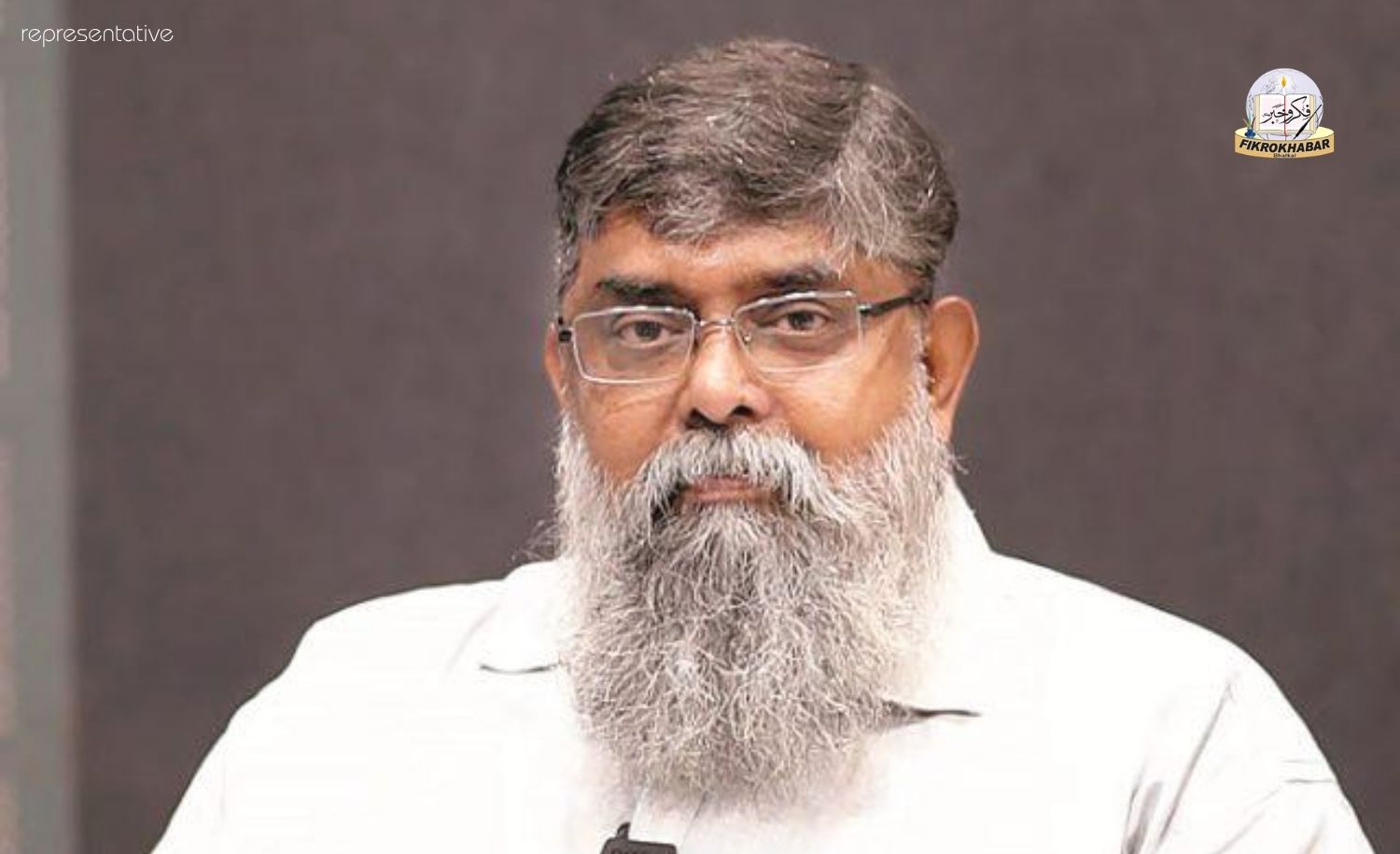

Kolkata: A controversial case linked to the Special Intensive Revision (SIR) of electoral rolls in West Bengal has drawn nationwide attention after former The Telegraph Editor R. Rajagopal claimed that he lost both his voting rights and access to a renewed passport because his name was removed from the voter list.
According to reports, Rajagopal’s name was deleted from the electoral roll of the Ballygunge Assembly constituency in March this year. Election authorities reportedly cited “logical discrepancies” during the verification process. Officials also referred to the absence of both his name and that of his late father in the 2002 voter list.
Rajagopal submitted several documents, including his secondary school certificate, to establish his identity. However, he alleged that the documents were not accepted, preventing him from voting in the recent Assembly election.
The issue later affected the renewal of his passport. Although Rajagopal completed all biometric formalities for passport renewal on March 19, 2026, Kolkata Police reportedly submitted an adverse verification report because his name was not found in the electoral roll. As a result, his passport renewal was delayed.
Rajagopal said the delay prevented him from attending his daughter’s wedding in San Francisco on April 17, despite already holding a valid 10 year United States visa. He has now been asked to appear before the passport authorities on July 17 and says he continues to face uncertainty over the matter.
Reacting to the incident, the Editors Guild of India expressed serious concern, stating that if a well known public figure like Rajagopal could face such difficulties, the situation for poor and marginalised citizens could be even more challenging. The organisation urged the Election Commission to restore his voter status without delay.
Several opposition parties, including the Congress, Trinamool Congress, CPI and CPI(M), also criticised the developments. They alleged that demanding decades old educational and family records during the verification process could unfairly affect poor and vulnerable sections of society.
The controversy comes amid West Bengal’s ongoing Special Intensive Revision of electoral rolls ahead of the Assembly elections. Reports claim that millions of names have been removed during the exercise. While the Supreme Court upheld the revision process in May, it also observed that electoral roll verification should not be used as a means to determine an individual’s citizenship.
The Ministry of External Affairs has also clarified that a passport is a travel document and not proof of citizenship. Despite this, the incident has triggered widespread debate over the functioning of election authorities, police verification procedures and the protection of citizens’ rights.