
Delhi Police Chief Gets NSA Detention Powers Until October as Opposition Questions Timing
The routine renewal of preventive detention powers has sparked political debate amid ongoing student protests in the national capital.
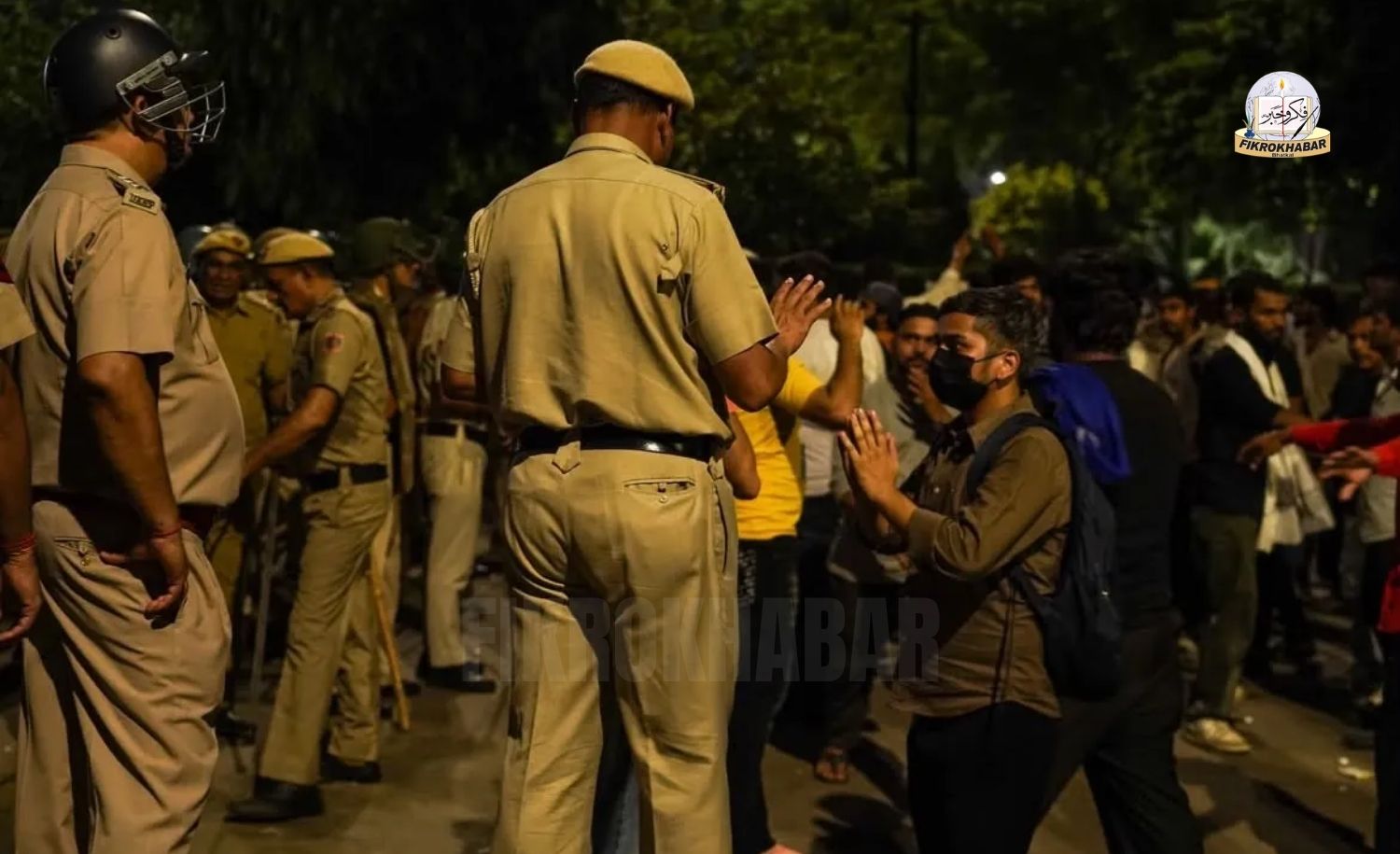

The Delhi Lieutenant Governor has renewed the powers of the Delhi Police Commissioner under the National Security Act, allowing the police chief to order preventive detention from July 19 to October 18, 2026.
The notification was issued by the Home Department of the Government of the National Capital Territory of Delhi on July 15. It authorises the Police Commissioner to act as a detaining authority under the National Security Act during the three month period.
The decision has drawn attention because it comes during the ongoing student protests led by the Cockroach Janta Party, or CJP, at Jantar Mantar. Demonstrators are demanding the resignation of Union Education Minister Dharmendra Pradhan and reforms to the examination system following the alleged NEET paper leak.
Many social media users and opposition leaders questioned whether the renewed powers could be used against protesters. Several described the National Security Act as a harsh law that allows preventive detention without a regular criminal trial.
Delhi Police, however, dismissed these concerns and said the renewal was a routine administrative process that takes place every three months.
In an official statement, the police said some media reports had wrongly suggested that the powers were granted to suppress the CJP protests. The force clarified that the renewal had been approved on July 7 for the period between July 19 and October 18, well before the protests intensified.
Police also stated that no special request had been made in connection with the ongoing demonstrations and urged people not to link the routine renewal with the current situation.
The National Security Act allows authorities to order preventive detention if they believe a person may act in a way that threatens national security, public order, or the supply of essential services. Although the law includes safeguards such as review by an Advisory Board, it has faced criticism from civil rights groups for giving authorities broad powers to detain individuals without trial for extended periods.
AIMIM president Asaduddin Owaisi strongly criticised the move, calling the National Security Act a draconian law. In a post on X, he alleged that the government could use it to suppress the student movement at Jantar Mantar. He said the protesting students were not a threat to national security and accused the government of trying to silence dissent.
Congress MP Sasikanth Senthil also questioned the timing of the notification. He described the Act as a colonial era law that allows detention without trial or legal representation and claimed the government was attempting to crush the protests rather than address students’ concerns.
The student agitation has continued despite recent police action. Earlier this week, Delhi Police used lathi charges and tear gas to disperse protesters, leaving several students injured. The following day, thousands of students returned to Jantar Mantar and pledged to continue their demonstration.
Protesters and activists accused the police of using excessive force during what they described as a peaceful protest. Delhi Police maintained that its actions were necessary to maintain law and order.
Meanwhile, Delhi Police has registered ten FIRs against unidentified persons in connection with the protests. According to officials, four cases were filed at Sansad Marg Police Station, three at Connaught Place, and one each at Mandir Marg, Kartavya Path, and Barakhamba Road police stations.
The cases include charges under various provisions of the Bharatiya Nyaya Sanhita related to unlawful assembly, rioting, and assault on public servants.