
Delhi High Court Rejects Bail Plea of Anti CAA Activist Athar Khan in North East Delhi Violence Case
chk
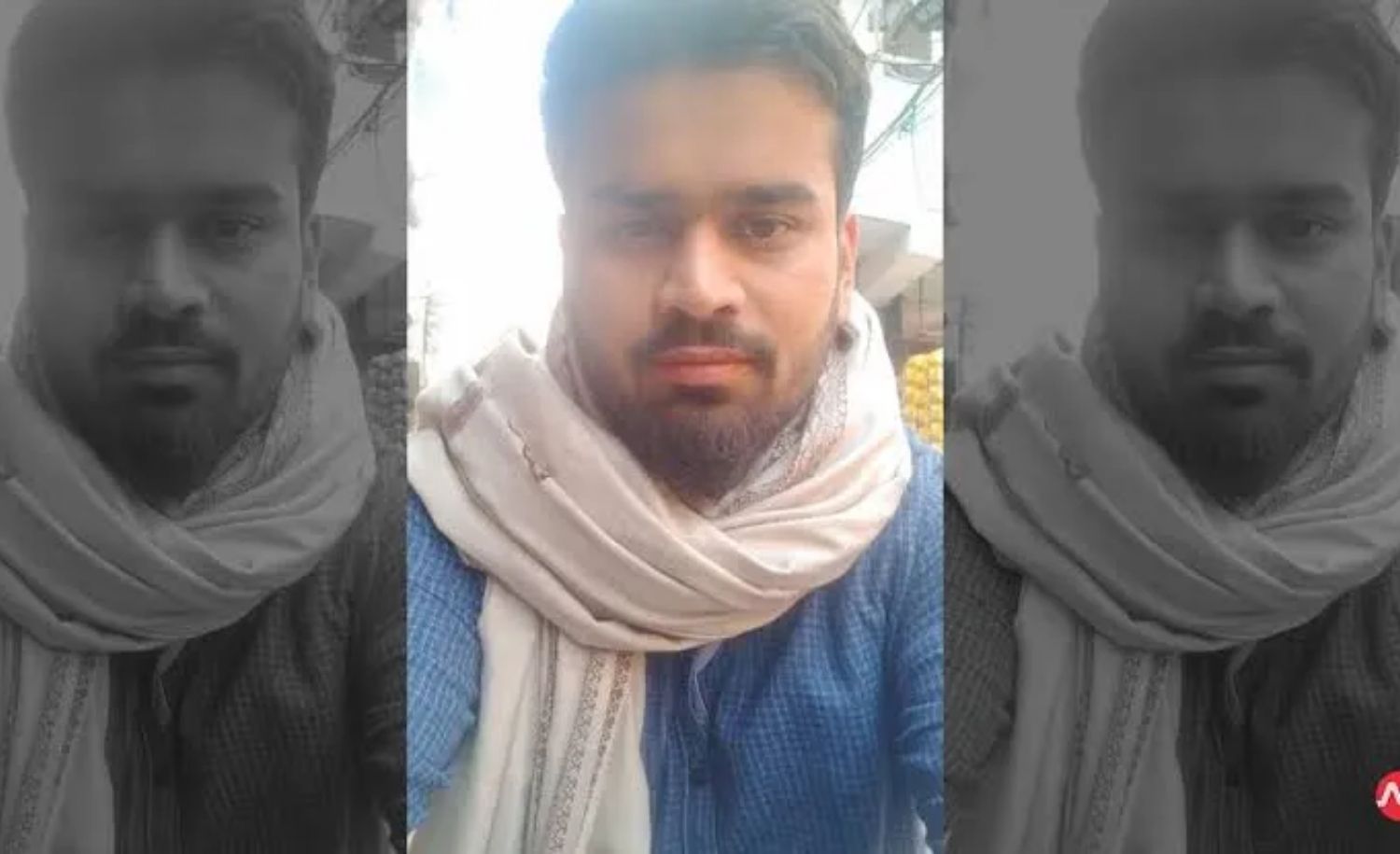

The Delhi High Court on Tuesday dismissed the bail plea of anti CAA activist Athar Khan, who is accused in the alleged larger conspiracy linked to the 2020 North East Delhi violence. Khan has been in jail since July 2, 2020 under the Unlawful Activities Prevention Act, commonly known as UAPA.
A Division Bench comprising Justice Prathiba M Singh and Justice Madhu Jain upheld the trial court’s decision of January 29, which had refused to grant him bail. The court observed that Khan could pose a flight risk if released, particularly in light of statements made by protected witnesses.
During earlier hearings in May, the High Court had also noted that Khan’s WhatsApp conversations appeared to show his involvement in the alleged conspiracy, according to its preliminary observations.
Khan had sought bail on the ground that his case was similar to that of co accused Shadab Ahmad, who was granted bail by the Supreme Court earlier this year. However, the High Court did not accept this argument and upheld the earlier order denying him relief.
The Delhi Police opposed the bail application. The prosecution was represented by Additional Solicitor General S V Raju and Special Public Prosecutor Madhukar Pandey, while Advocate Arjun Dewar appeared on behalf of Khan.
Following the High Court’s decision, Khan’s family said they would move the Supreme Court to seek bail.
Athar Khan, a resident of Chand Bagh in North East Delhi, participated in protests against the Citizenship Amendment Act before his arrest. He also joined demonstrations at Jamia Millia Islamia after the police action against students in December 2019.
According to his family, Khan enrolled in a distance learning BBA course after his father’s embroidery business shut down. He later worked for a telecom company to support his family, which had suffered financial hardship following demonetisation and the introduction of the Goods and Services Tax.
The case relates to the alleged larger conspiracy behind the communal violence that took place in North East Delhi in February 2020 during protests against the Citizenship Amendment Act and the proposed National Register of Citizens. The violence claimed 53 lives, most of them Muslims, and left more than 700 people injured.
The Delhi Police have accused several anti CAA activists and protesters of planning the violence and have booked them under the UAPA, the Indian Penal Code, which has since been replaced by the Bharatiya Nyaya Sanhita, along with other legal provisions.
Among those named in the case are Umar Khalid, Sharjeel Imam, Tahir Hussain, Gulfisha Fatima, Meeran Haider, Shifa ur Rehman, Safoora Zargar, Asif Iqbal Tanha, Devangana Kalita, Natasha Narwal, Khalid Saifi, Ishrat Jahan and several others.
The accused have denied all allegations. Meanwhile, rights groups and legal observers have repeatedly raised concerns over the long period of incarceration of those charged under the UAPA and the slow progress of the trial, with charges yet to be framed against many of the accused even after nearly six years.