
Delhi High Court Refuses to Stop CJP Protest at Connaught Place on October 16
Court records Delhi Police assurance to regulate the gathering as CJP founder Abhijeet Dipke calls for a Tricolour march
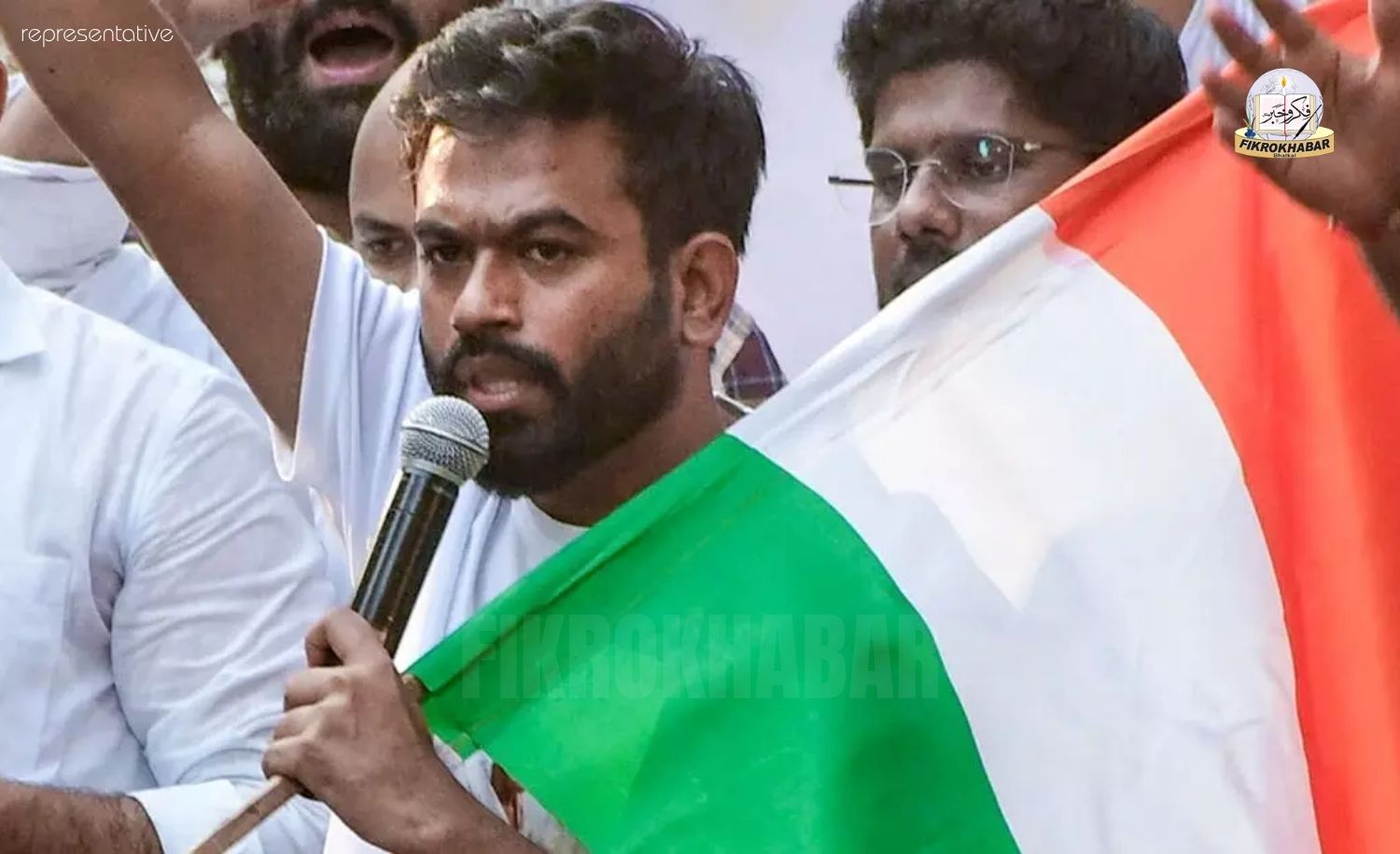

New Delhi: The Delhi High Court on Thursday declined to restrain the Cockroach Janta Party (CJP) and its founder, Abhijeet Dipke, from holding a protest at Central Park in Connaught Place on Friday, October 16. The court recorded the Delhi Police’s assurance that all necessary measures would be taken in accordance with the law to regulate the gathering.
A bench comprising Acting Chief Justice Nitin Wasudeo Sambre and Justice Sanjay Sharma was hearing a petition filed by a street vendor from Connaught Place. The petitioner sought intervention to prevent disruption to businesses, traffic and public movement during the festive season.
The petitioner’s lawyer argued that repeated demonstrations and closures in central Delhi could cause financial losses to traders and vendors. However, the court declined to issue an order restraining the proposed protest and listed the matter for further hearing on November 3.
The protest call was issued by CJP founder Abhijeet Dipke, who urged people to gather at Central Park at 5 PM on October 16 carrying the national flag. He said the demonstration was intended to protest the recent detention and judicial custody of CJP members Saurav Das and Ashutosh Ranka.
Das and Ranka were remanded to five days of judicial custody after being arrested over allegations of entering Jantar Mantar without authorisation. The site had recently been denotified as a designated protest venue. The allegations remain subject to the legal process.
Dipke has described the planned gathering as a Tricolour march and urged people who cannot travel to Delhi to organise similar marches in their own cities.
The case comes amid continuing demonstrations by student groups, opposition parties and civil society organisations over concerns surrounding the Election Commission and alleged electoral irregularities.
The High Court’s decision does not amount to an express approval of the protest. Instead, it leaves the authorities responsible for regulating the gathering in accordance with the law while declining to impose the requested restraint.