
Delhi High Court Orders Daily Medical Monitoring of Sonam Wangchuk During Hunger Strike
The court says every possible medical effort must be made to protect the activist's life as his health continues to decline.
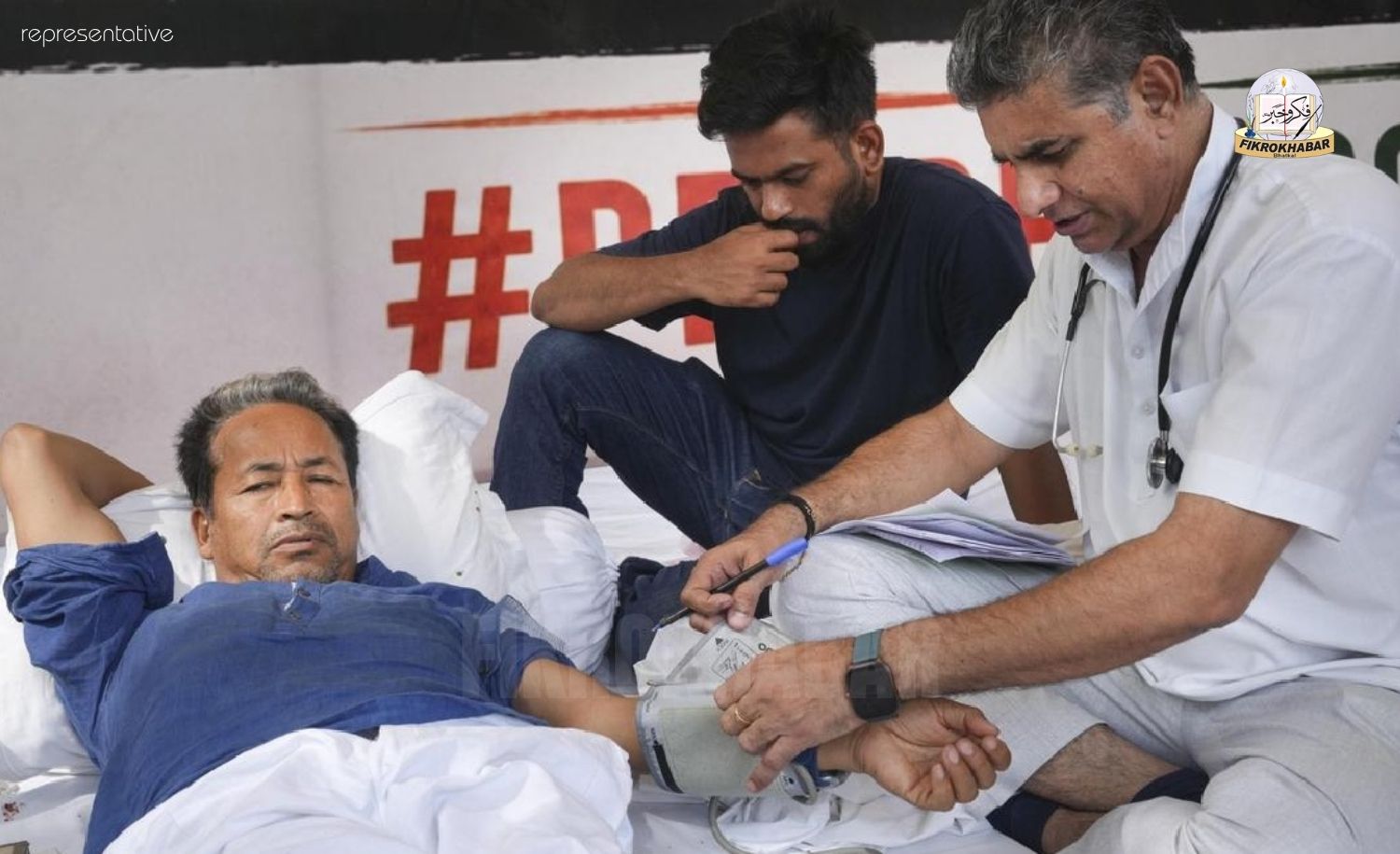

The Delhi High Court has directed the Central and Delhi governments to ensure that activist Sonam Wangchuk, who is on an indefinite hunger strike, receives daily medical monitoring by government doctors. The court also said that all necessary medical measures should be taken to safeguard his life if his health worsens.
A bench comprising Chief Justice Devendra Kumar Upadhyaya and Justice Tejas Karia issued the order after Solicitor General Tushar Mehta informed the court that government doctors would examine Wangchuk every day. He also assured the court that any medical intervention recommended by doctors would be carried out to address his deteriorating health.
The court observed that every citizen’s life is valuable and said the authorities must make every effort to protect it. It also appreciated the government’s assurance regarding regular health monitoring.
The directions came while hearing a public interest litigation seeking urgent intervention to protect Wangchuk, who has been on a hunger strike at Jantar Mantar in New Delhi since June 28. He joined protests organised by the Cockroach Janta Party, which has been demanding the resignation of Union Education Minister Dharmendra Pradhan over alleged examination paper leaks and irregularities in the education system.
The Cockroach Janta Party began as an online satirical movement and later developed into a protest campaign. Founded by Dipke, a Boston based Indian, the group uses political satire to raise issues related to unemployment, institutional accountability and media freedom. Its protest campaign began on June 20.
The petition, filed by advocate Rakesh Kumar Saini, urged the court to direct the governments to shift Wangchuk to a hospital and provide medical treatment, including nutritional support if necessary. According to the petition, Wangchuk has lost about 8.5 kilograms since beginning his hunger strike and his health has deteriorated significantly.
The plea argued that failing to act could put Wangchuk’s life at serious risk and criticised the authorities for not taking stronger steps to ensure his well being. It also claimed that providing timely medical care was the minimum responsibility of the government.
During the hearing, the Solicitor General told the court that government doctors have been conducting regular health examinations whenever Wangchuk has agreed to be examined. He added that medical reports could be prepared and submitted if required.
After considering the submissions, the High Court directed the authorities to continue monitoring Wangchuk’s health on a daily basis and to provide any medical treatment considered necessary by government doctors.