
Bangladesh warns of action over alleged border “push-ins” after BJP’s West Bengal win
Dhaka raises concerns over border practices and political rhetoric following change in power in West Bengal
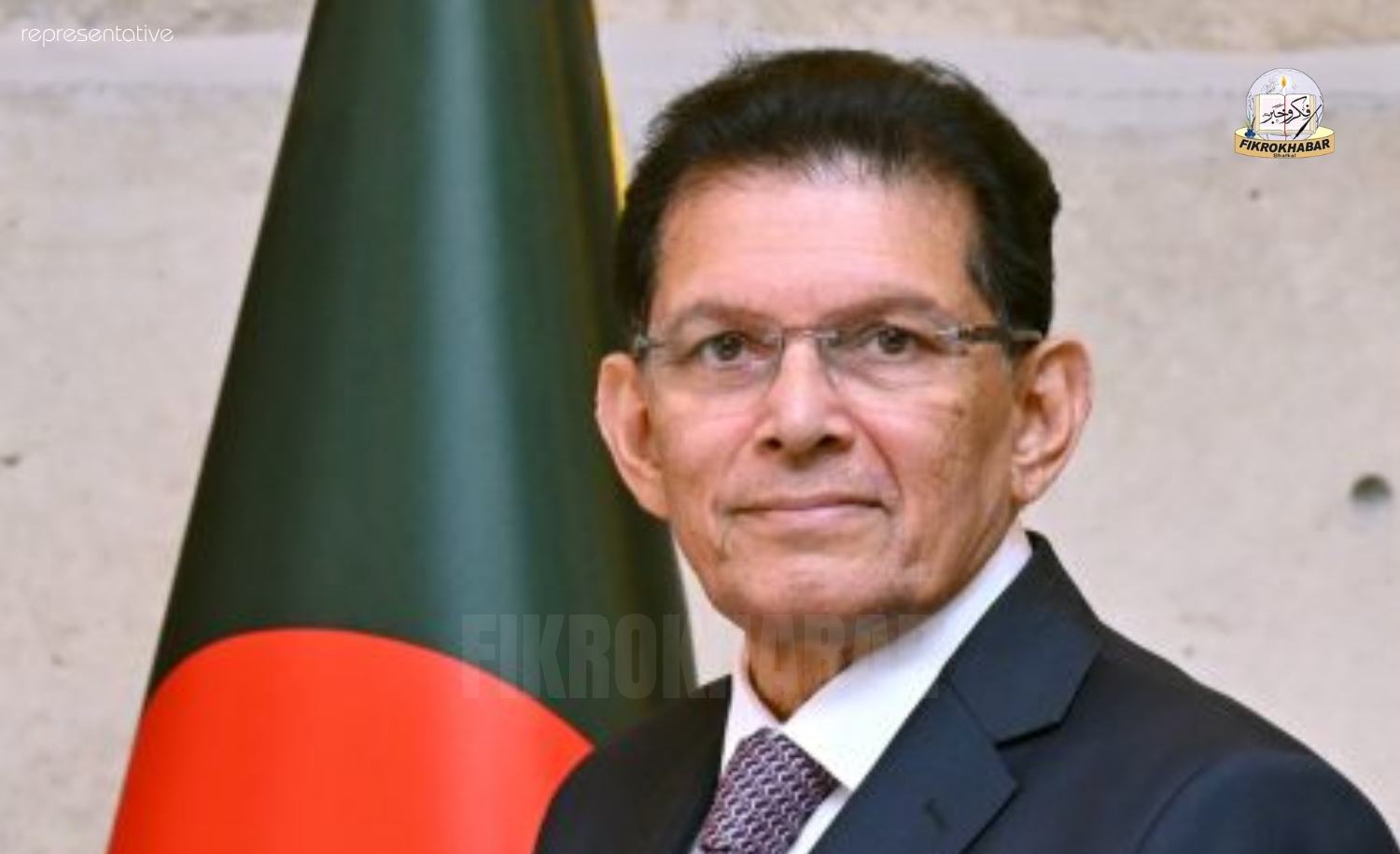

Bangladesh has issued a warning over possible increases in alleged border “push-in” incidents following the Bharatiya Janata Party’s decisive victory in the West Bengal assembly elections.
Speaking in Dhaka, Foreign Minister Khalilur Rahman said his government would respond if such incidents rise under the new state leadership. He made the remarks while addressing reporters after a meeting with a visiting United States delegation at the State Guest House Padma.
The term “push-in,” often referred to in India as “pushback,” describes accusations that individuals are forcibly sent across the India Bangladesh border into Bangladeshi territory. Dhaka has repeatedly objected to such actions, calling them violations of its sovereignty.
Concerns have also been raised about the treatment of Bengali speaking Muslims in India. Critics allege that some individuals are labelled as illegal immigrants without proper verification, leading to forced expulsions despite valid documentation. Several such cases have reportedly reached the Supreme Court of India over the years.
According to Bangladeshi media reports, thousands of people were allegedly pushed into Bangladesh over an eight month period between May 2025 and January 2026. Authorities in Bangladesh later identified a number of them as Indian citizens.
The issue has gained attention amid strong political messaging during the West Bengal election campaign. Senior BJP leaders frequently spoke about illegal immigration from Bangladesh. Suvendu Adhikari, who is expected to take a leading role in the new government, repeatedly highlighted the issue in his speeches, calling for the removal of alleged illegal voters and migrants.
In earlier statements, Adhikari claimed that millions of names on voter rolls included illegal entrants, duplicate entries, and ineligible individuals. He also warned of demographic changes in the state if the issue was not addressed.
Tensions were further heightened in December 2025 when Adhikari led a protest march to the Bangladesh deputy high commission in Kolkata, making strong remarks about bilateral relations.
The BJP’s campaign also coincided with a controversial revision of electoral rolls in the state, which reportedly led to the removal of millions of voters. Reports suggested that a significant portion of those affected were from the Muslim community.
Assam Chief Minister Himanta Biswa Sarma, who campaigned in West Bengal, also made public comments about pushing people across the border, drawing criticism from Dhaka.
In response, Bangladesh has taken diplomatic steps in the past, including summoning India’s acting high commissioner in April over similar remarks. Officials described such statements as harmful to bilateral relations and urged restraint from political leaders.
Beyond border concerns, Rahman also addressed the long standing Teesta water sharing issue. He said it was too early to predict whether the political change in West Bengal would help revive negotiations on the stalled agreement. The deal has remained unresolved for over a decade due to concerns raised by the previous state government.
Rahman emphasised the urgency of addressing the situation, noting that communities along the Teesta river are facing serious environmental and economic challenges. He added that Bangladesh would explore all available options to protect its interests.
Dhaka also reaffirmed its commitment to a river management project backed by China, which focuses on improving water flow and strengthening embankments. The project has strategic implications, especially given India’s earlier proposal to fund similar efforts.
These developments come at a time when India and Bangladesh are trying to stabilise their relationship after a period of political uncertainty. Ties had weakened following the removal of former Prime Minister Sheikh Hasina in 2024 and the transition that followed under an interim administration.