
AIMPLB Condemns Taslima Nasrin’s Remarks on Madrasas, Urges Centre to Act
The Muslim Personal Law Board says the comments are defamatory and calls on the Government to prevent foreign refugees from interfering in India's internal affairs
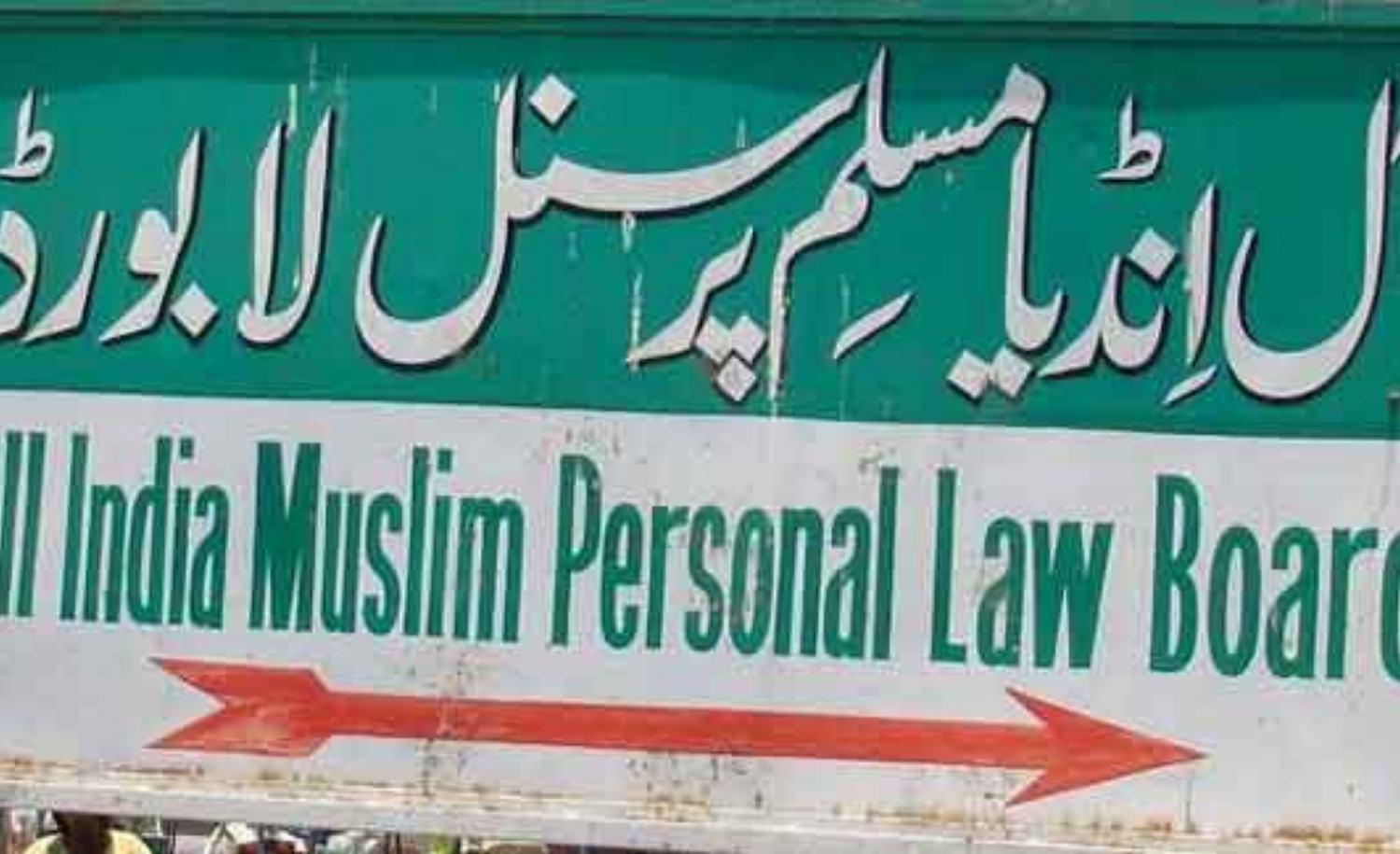

The All India Muslim Personal Law Board (AIMPLB) has strongly criticised comments made by Bangladeshi writer Taslima Nasrin regarding madrasas and the Uniform Civil Code, describing her remarks as misleading, defamatory, and an attempt to interfere in India’s internal affairs.
In a statement issued on Tuesday, AIMPLB spokesperson Dr. S. Q. R. Ilyas said allegations that Islamic seminaries promote extremism or produce terrorists are false and without evidence. He said such statements insult the religious sentiments of millions of Indian Muslims and have the potential to disturb communal harmony.
Dr. Ilyas expressed concern that a foreign national living in India as a refugee was making comments on the country’s religious, constitutional, and social issues. He urged the Government of India to ensure that no individual misuses freedom of expression to spread hatred, defame religious institutions, or interfere in the country’s internal matters.
Referring to Nasrin’s remarks on Bangladesh, he also said they were irresponsible and could negatively affect relations between India and Bangladesh. He urged the government to take note of this aspect as well.
The AIMPLB spokesperson said attempts to portray madrasas negatively have continued for many years, but those making such allegations have failed to provide credible evidence. He added that no investigative or security agency has substantiated claims linking madrasas to extremism.
Highlighting the contribution of Islamic seminaries, Dr. Ilyas said thousands of madrasas across the country educate millions of students without placing any financial burden on the government. He said many madrasa graduates have gone on to serve the nation in fields including the judiciary, academia, journalism, civil services, and social work.
The Board called on the Government of India to take serious note of the remarks, prevent foreign refugees from interfering in the country’s internal and religious affairs, and safeguard India’s constitutional values and social harmony.