
Why IndiGo and Other Indian Airlines Are Canceling Flights So Frequently, and What’s Driving the Delays
India's largest airline faces severe disruptions with mass flight cancellations, leaving thousands stranded at airports across the country
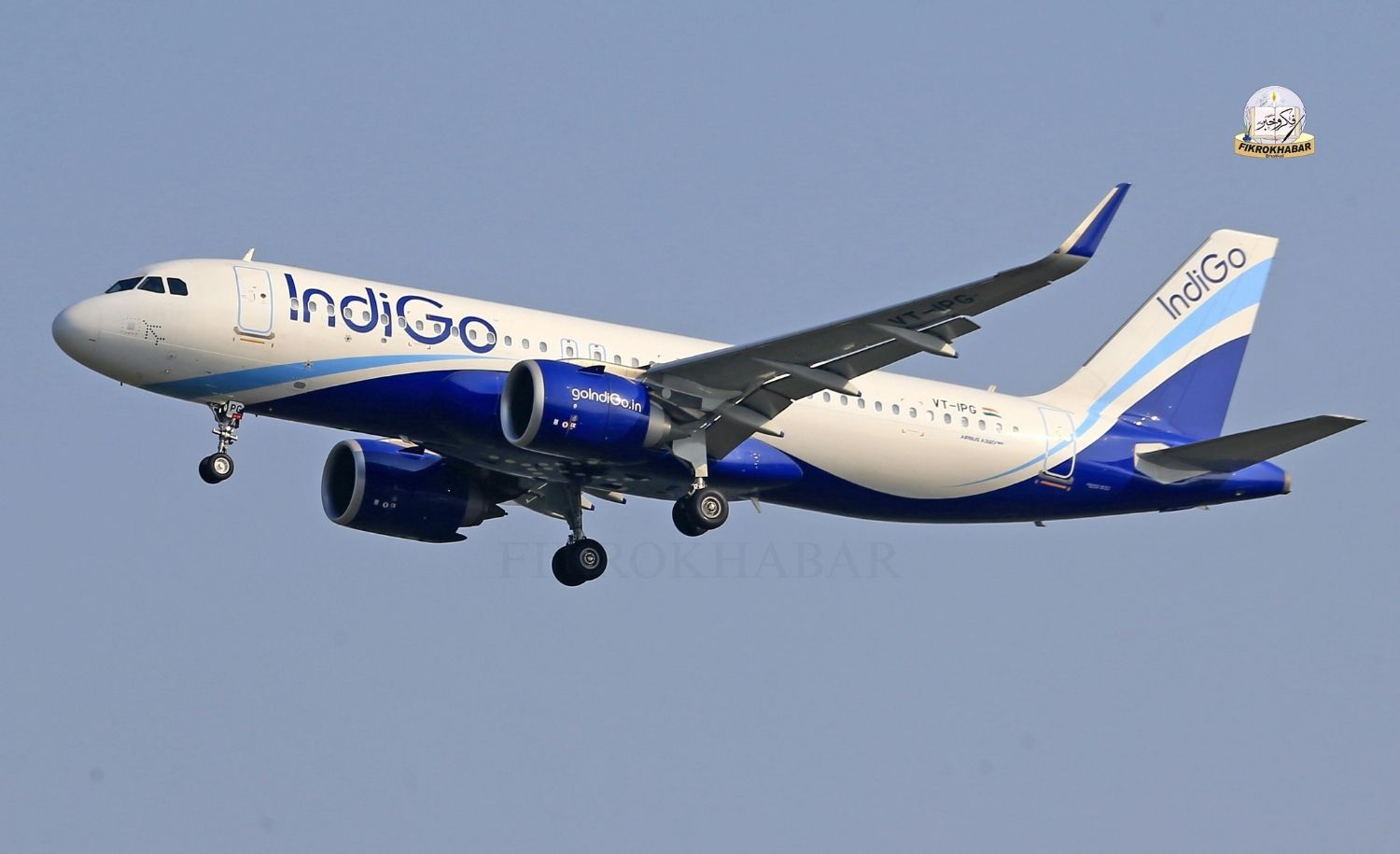

IndiGo Airlines has issued a public apology to its customers following a significant operational breakdown that has affected thousands of passengers over the past few days. The airline, known for its reliability over the past 19 years, is currently experiencing what it describes as a “serious operational crisis.”
Many travelers have faced cancelled flights and long waiting hours at airports with limited information. Around 550 domestic and international flights were cancelled on Thursday alone, with the crisis continuing for four consecutive days starting from December 2, 2025.
Major cities including Delhi, Mumbai, Bengaluru, Pune and Hyderabad saw the worst disruptions. Videos shared on social media showed frustrated passengers arguing with airline staff, demanding answers about sudden cancellations and delays.
Today is expected to see the highest number of flight cancellations as the airline works to reset its entire system. IndiGo is making proactive cancellations to ease pressure on airport operations and prepare for a smoother restart beginning tomorrow.
The Real Reason Behind the Crisis
The airline has blamed the chaos on miscalculations in crew planning after the implementation of new pilot duty-time regulations. These rules, known as Flight Duty Time Limitations (FDTL), were introduced to prevent pilot fatigue and improve aviation safety.
The FDTL rules determine how long pilots can be on duty, how many hours they can fly, how many night landings they may perform, and the minimum rest they must receive. The regulations were revised by India’s aviation regulator, the DGCA (Directorate General of Civil Aviation), in January 2024 and came into full effect on November 1, 2025.
The new regulations introduced several major changes:
The weekly rest period for pilots has been increased to 48 hours from 36 hours, and night landings have been limited to two from six earlier, while the definition of night hours has been extended by an hour.
Night duties are now allowed only for two consecutive nights with a maximum of two night landings, and no more are allowed weekly. Previously, pilots could do about six night landings in a week.
These changes were designed to combat pilot fatigue a major safety concern in aviation. However, they significantly reduced the number of available crew members, especially for night flights.
IndiGo added more flights to its winter schedule (effective from October 26, 2025 till March 28, 2026), around 15,014 domestic departures per week, but made little effort to recruit additional pilots or crew, nor did it plan rosters to operate the expanded network efficiently.
The airline operates over 2,200 flights daily with a large share of night operations. When the new rules came into force on November 1, IndiGo suddenly found itself short of pilots who could legally fly under the stricter regulations.
According to the DGCA, IndiGo cancelled 1,232 flights last month, with 61 percent of them attributed to flight duty time limitation issues.
Poor Planning or Unavoidable Crisis?
The Airline Pilots’ Association of India (ALPA) accused IndiGo of “arm-twisting” the DGCA by mass cancelling flights to push for relaxations in the new rules. According to ALPA, the airlines had sufficient time to prepare, but adjusted the rosters too late.
Industry experts suggest that while other airlines like Air India, SpiceJet, and Akasa Air managed the transition better, IndiGo’s business model built on ultra-high aircraft utilization and dense night-time flying made it particularly vulnerable to the new restrictions.
IndiGo’s on-time performance from six key domestic airports dropped to just 35 percent on Tuesday, whereas Air India clocked 67.2 percent, Air India Express 79.5 percent, SpiceJet 82.50 percent, and Akasa Air 73.20 percent.
Following hundreds of flight cancellations over two to three days, DGCA convened a review meeting with IndiGo leadership and officials from the Ministry of Civil Aviation. The regulator criticized the airline’s planning failures and directed it to submit a comprehensive disruption-management plan.
The DGCA also ordered IndiGo to increase manpower for passenger handling and implement real-time monitoring to prevent further disruptions.
The airline has told the DGCA that it will start scaling down operations from December 8 and expects “normalized and stable” flight operations by February 10, 2026.
IndiGo’s teams are currently coordinating with the Ministry of Civil Aviation and the DGCA to restore regular flight operations. The airline aims to bring services back to normal as quickly as possible while working within regulatory guidelines.
The airline has announced several support measures for impacted customers:
- Automatic refunds will be processed for all cancelled flights to original payment methods
- Full waivers offered on all cancellation and rescheduling requests for bookings between December 5 and December 15, 2025
- Hotel accommodations arranged across multiple cities for stranded passengers
- Ground transportation provided where needed
- Food and refreshments being supplied to waiting customers at airports
- Lounge access arranged for senior citizens wherever possible
IndiGo has requested customers to:
- Check flight status on the airline’s website or through notifications before heading to the airport
- Avoid coming to the airport if flights are cancelled
- Contact the airline’s expanded call center for assistance
- Use the AI assistant “6Eskai” available at goIndiGo.in/6Eskai for help with flight status, refunds, and rebookings
The airline has significantly increased its customer service capacity to handle the surge in queries.
Impact on Other Airlines
The crisis has affected the entire Indian aviation sector. Flight tracking data shows that Indian airports now occupy six of the top 10 positions globally for the most disrupted flights. Passengers traveling through major Indian airports are facing delays and uncertainty across multiple carriers.
Aviation industry experts say the disruption highlights the challenge of balancing rapid growth with safety regulations. India is projected to become the world’s third-largest aviation market by 2026, but this growth must be supported by adequate pilot workforce and proper planning.
The new FDTL rules are not temporary and are designed to protect both pilots and passengers. Airlines will need to adjust their business models, expand their pilot workforce, or reduce night-heavy operations to comply with these safety standards.
IndiGo has assured customers they will see gradual improvement in operations. The airline emphasized its commitment to regaining customer trust built over nearly two decades of service.
“We cannot do this without your support,” the airline stated, thanking passengers for their patience and understanding during this challenging time. The company promised to keep customers updated regularly as operations improve.
The airline’s frontline staff and management team continue working around the clock to resolve issues and help affected travelers with care and respect.