Upholding the Sacred Bond: Islamic Scholar Stresses Simplicity and Consent in Marriage
Moulana Abdur Rab Khateeb Nadwi, in a Friday sermon, highlights the Islamic framework for marriage as a shield against societal ills and a foundation for family stability.
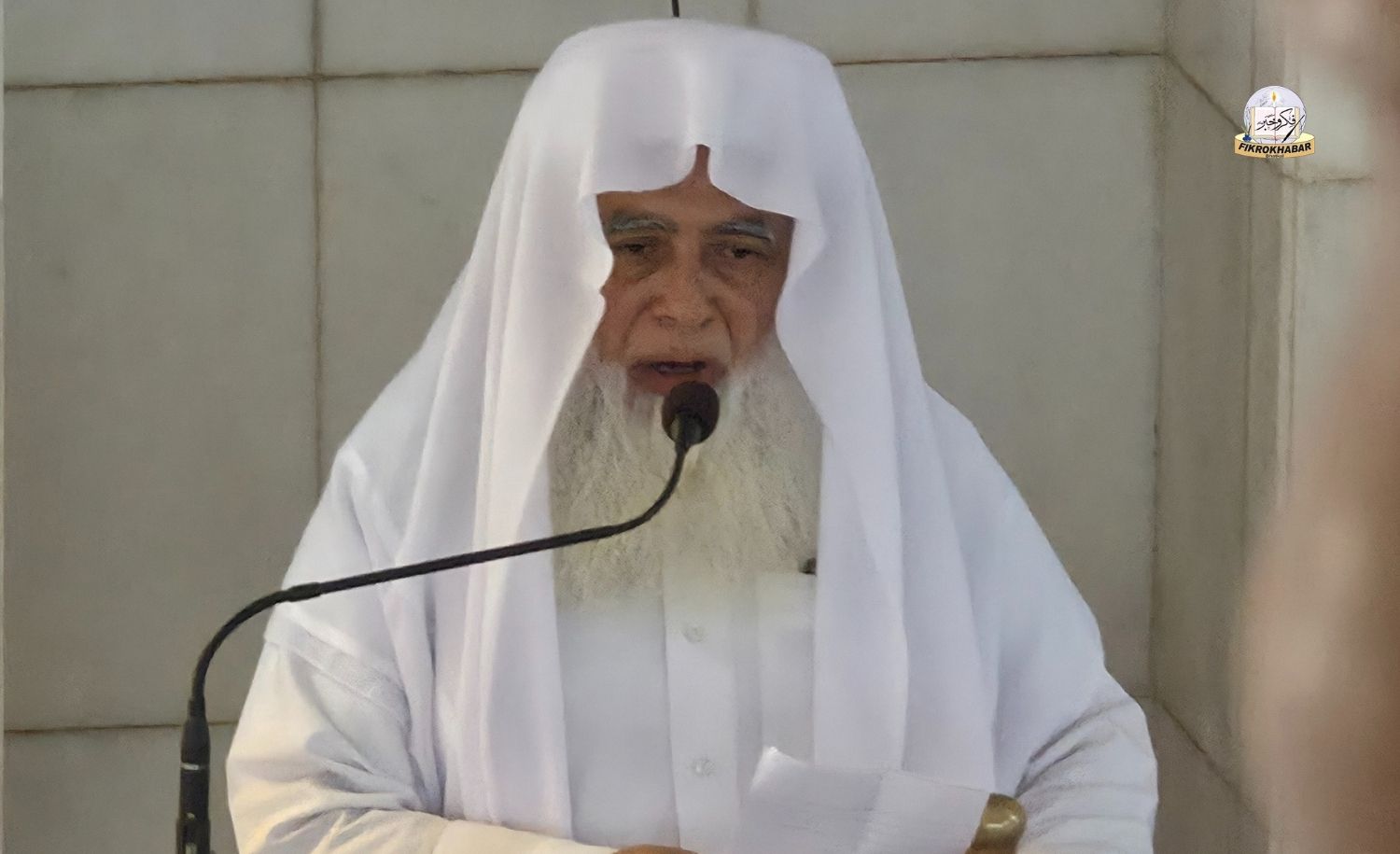

In a Friday sermon delivered at Jamia Masjid in Bhatkal, Islamic scholar Moulana Abdur Rab Khateeb Nadwi addressed the significance of marriage (nikah) within Islam, describing it as a divinely ordained, straightforward institution meant to protect society and foster stable families.
The scholar began by reaffirming that Islam, revealed in its complete form to Prophet Muhammad (PBUH), is the final and only acceptable way of life for humanity until the Day of Judgment. Within this complete system, he emphasized, marriage holds a vital position as a natural and praiseworthy human instinct, sanctioned and regulated by divine law for the protection and purity of society.
Contrasting the Islamic system with pre-Islamic practices of the Jahiliyyah (Age of Ignorance) which included various forms of temporary and ambiguous unions—Moulana outlined the clarity Islam brought. The faith established marriage as a sacred, enduring contract based on mutual consent (rida), a clear proposal and acceptance (ijab-o-qabul) in the presence of witnesses, and the fulfillment of mutual spousal rights.
He expressed concern over contemporary deviations from these principles, noting that marriages sometimes proceed without the genuine consent of the bride or groom, often under family pressure. “Later, news comes that the girl was not willing… such a relationship does not flourish afterward,” he stated, linking this to the rise in family discord and marital breakdowns.
The sermon connected the timely fulfillment of this natural instinct with broader social health. The scholar warned that neglecting or complicating marriage leads to societal anarchy, moral corruption, and the erosion of family structures evident today in unsafe environments within schools and colleges where improper relationships can form.
As a solution, Moulana urged a return to the prophetic model of simplicity. He reminded the congregation that Islam does not impose heavy financial burdens; it requires only a dowry (mahr) commensurate with the bride’s family and a simple wedding feast (walima) within one’s means. He cited the Prophet’s teaching that “the best marriage is the one with the least expense and ceremony.”
The address concluded with a call to action: to safeguard the sanctity of marriage by adhering to Islamic guidelines, ensuring mutual consent, avoiding extravagant rituals, and fulfilling spousal duties diligently. This, he asserted, is the path to protecting future generations, ensuring parental love and proper upbringing for children, and maintaining a righteous and stable society.
Source: Friday sermon at Jamia Masjid, Bhatkal, by Moulana Abdur Rab Khateeb Nadwi.