
Umar Khalid Says “I Am Not a Terrorist” in Message From Jail After Six Years Without Trial
The former JNU scholar questions his prolonged imprisonment, media coverage and alleged double standards in the handling of the Delhi riots case.
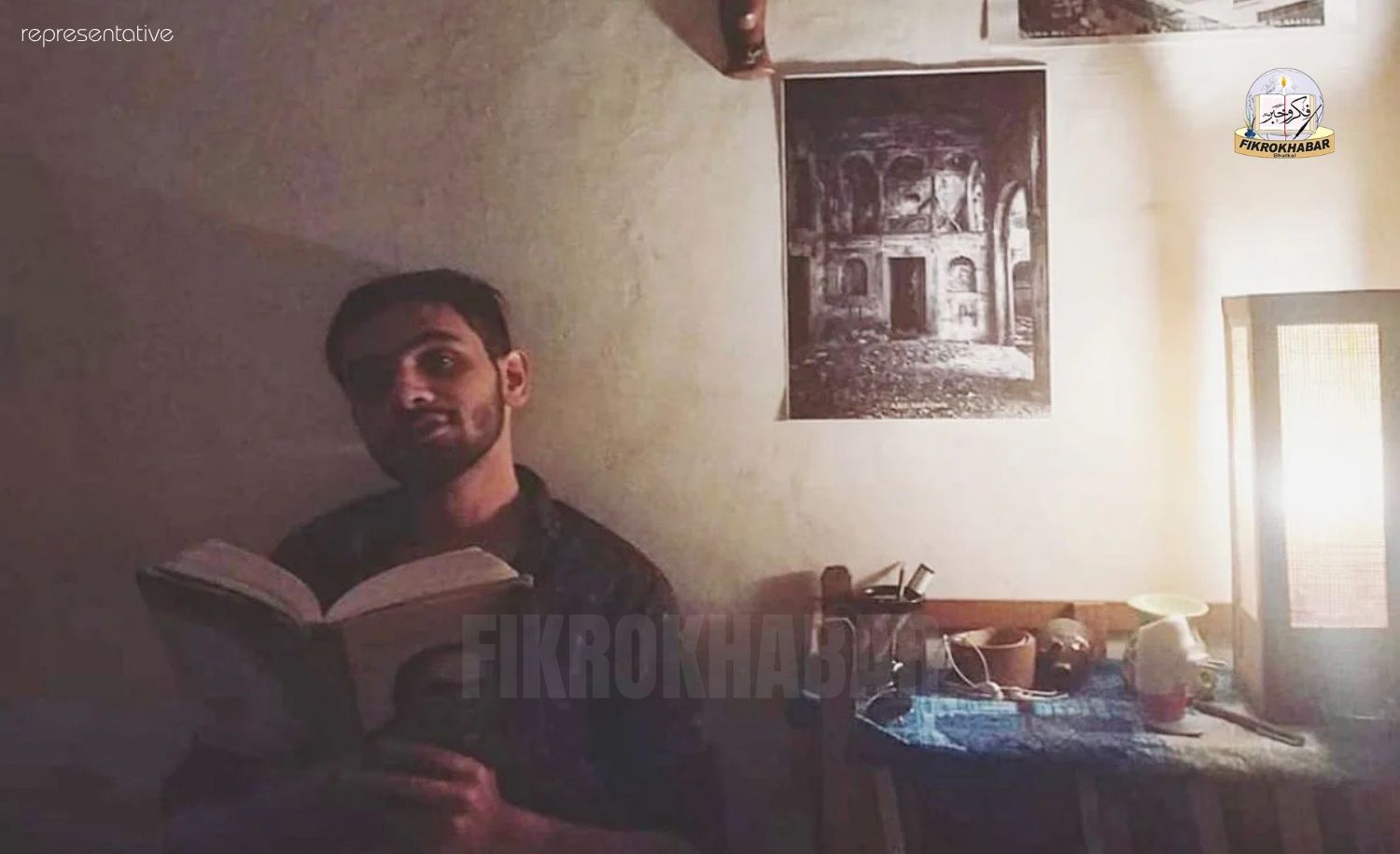

New Delhi: Former Jawaharlal Nehru University (JNU) research scholar Umar Khalid, who has been in jail since September 2020 in connection with the alleged conspiracy behind the 2020 Delhi riots, has raised serious questions about his prolonged imprisonment without a trial. In a detailed message shared on social media by stand up comedian Kunal Kamra, Khalid spoke about the allegations against him, media coverage and concerns over the criminal justice system.
According to Kamra, Khalid has relied on family members and friends to communicate his views to the public while media platforms have repeatedly discussed allegations against him. In his message, Khalid questioned why he has remained behind bars for nearly six years without the commencement of a full trial.
Khalid began his message with the words, “My name is Umar Khalid and I am not a terrorist.” He said he had made this statement around a decade ago, but believes its meaning has changed over time because of the way he has been portrayed in public debate.
He alleged that ruling party spokespersons have described him as a threat to national security on television, while a senior law officer representing the government in the Supreme Court referred to him as an “intellectual terrorist,” citing his education.
Khalid questioned what specific acts of terrorism he was accused of committing, asking whether he had carried out a bombing, hijacked an aircraft or taken anyone hostage. He argued that the terrorism charges against him were connected to a speech he delivered in Maharashtra in February 2020, in which he said he advocated nonviolence and the principles of Satyagraha associated with Mahatma Gandhi.
Recalling the speech, Khalid said he had urged people not to respond to violence with violence or hatred with hatred. He also said that if people were attacked with batons, they should raise the national flag, and if bullets were fired at them, they should hold up the Indian Constitution.
He questioned whether such messages of nonviolence, love and constitutional values could reasonably be associated with terrorism. He also challenged the Delhi Police’s decision to treat a speech delivered in Maharashtra, far from Delhi, as an important part of the alleged conspiracy behind the riots.
Khalid Questions Alleged Double Standards
In his message, Khalid also referred to BJP leader Kapil Mishra and alleged that the law had been applied differently in his case.
Khalid pointed to a speech Mishra delivered shortly before the Delhi riots began, in the presence of a police officer, in which he allegedly issued threats about taking matters into his own hands. Khalid questioned why no case or arrest followed, despite the availability of video footage, while he himself has remained imprisoned for years.
He further contrasted Mishra’s political career with his own continued detention, arguing that their different treatment reflected a wider problem of unequal application of the law. These statements form part of Khalid’s account of the case and his criticism of the authorities.
Concerns Over Trial Delays and Bail
One of the central issues raised in Khalid’s message is the prolonged delay in beginning his trial. He argued that television debates have repeatedly presented allegations against him, influencing public opinion before the evidence has been tested in court.
He questioned why a legal process involving the examination of evidence and cross examination of witnesses has not moved forward while he continues to face serious charges.
Khalid also raised concerns about the Unlawful Activities (Prevention) Act, commonly known as UAPA, under which he is charged. He argued that the stringent provisions of the law have left him struggling to secure bail despite the lengthy period of detention.
His case has drawn attention to broader debates over pretrial detention, personal liberty and the balance between national security laws and the right to a fair and timely trial.
Appeal for Justice and a Fair Hearing
Khalid also alleged that events organised in support of his release, along with book discussions and film screenings related to his case, have faced deliberate obstruction. He expressed concern that such restrictions prevent the public from hearing perspectives that differ from the dominant media narrative.
He questioned whether a democratic society should allow a person to remain in prison indefinitely on the basis of allegations without a timely opportunity to defend himself in court.
Khalid remains in Tihar Jail in Delhi as his legal proceedings continue. His message has renewed attention to his prolonged detention and the wider questions surrounding bail, due process and the right to a fair trial.
The allegations made in his message remain his account of the case, while the charges against him must be assessed through the judicial process.