The Return of Jesus in Islam: Scholar Details Final-Day Prophecies
In his Friday sermon, Abdul Aleem Khateeb Nadvi explains the awaited return of Jesus (Isa) in Islamic eschatology, his role in defeating evil, and the era of peace he will establish.
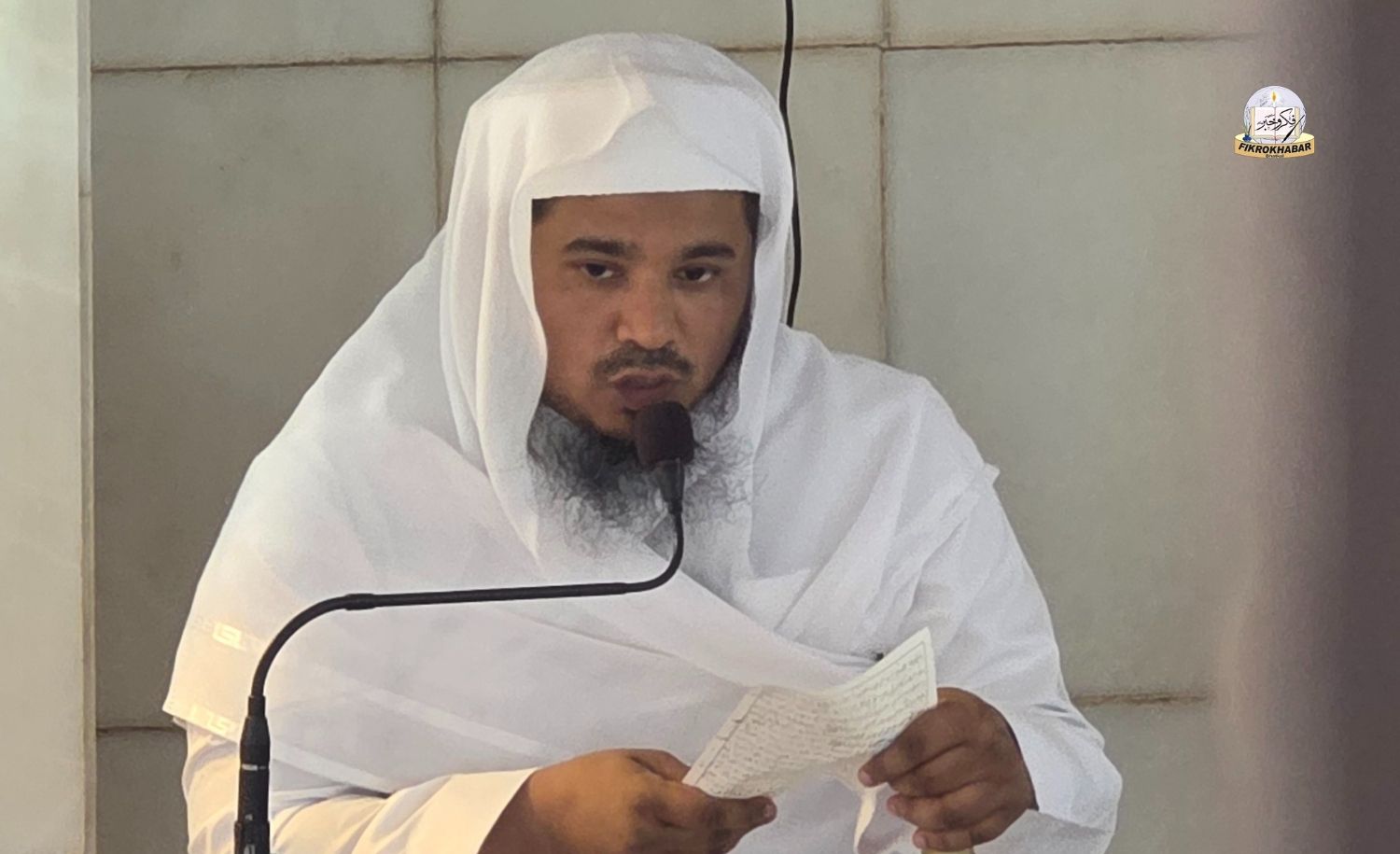

In a detailed Friday sermon at Jamia Masjid in Bhatkal, Islamic scholar Abdul Aleem Khateeb Nadvi elaborated on the Islamic belief in the second coming of Jesus (Prophet Isa, peace be upon him), describing it as a major sign of the end times and a cornerstone of Islamic eschatology.
The scholar began by clarifying the Islamic perspective on Jesus’s departure, stating that according to the Quran, Jesus was not crucified but was raised to heaven by God. He emphasized that Jesus remains alive and will return to Earth in the final era.
Drawing from Hadiths in Sahih Bukhari and Sahih Muslim, Nadvi outlined the circumstances of Jesus’s return. He described that Jesus will descend in Damascus (or near it) during a time of great conflict, coinciding with the rule of Imam Mahdi. As the Muslim army prepares for battle and prayer, Jesus will descend, dressed in saffron robes with water droplets glistening like pearls on his hair and beard.
A key aspect highlighted was that Jesus will return as a follower of Prophet Muhammad’s law. He will pray behind Imam Mahdi in congregation, demonstrating his status within the Islamic framework. His primary mission will be to defeat the false messiah (Dajjal), the ultimate symbol of global corruption and deception.
“Wherever his breath reaches, the disbelievers will perish,” Nadvi stated, describing the divine power Jesus will possess. He will pursue Dajjal and kill him at the gates of Lod (near present-day Lod Airport in Israel), announcing the end of this great trial for humanity.
Following this victory, Jesus will rule for a period—commonly understood as seven or forty years in total—establishing a universal era of justice and peace. During his rule, he will:
- Break the cross, symbolizing the end of Christianity as a separate religious dispensation.
- Abolish the jizyah tax, as only Islam will remain.
- Usher in unprecedented prosperity, with abundant rainfall, wealth, and giant fruits, restoring Earth to a state of primordial blessing.
- Establish such profound peace that natural enemies like wolves and sheep will graze together, and children will play with snakes harmlessly.
The scholar strongly cautioned the congregation against being deceived by individuals who might falsely claim to be the returned Messiah, urging Muslims to recognize the true signs prophesied in detail by the Prophet Muhammad.
Nadvi concluded with a practical reminder: rather than passively waiting for these events, Muslims should focus on self-reformation, correcting their faith, morals, and actions in the present.
“Our responsibility is for our own time. We will be asked about our own deeds, not about waiting for Mahdi or Jesus,” he said, advising the community to pray for inclusion in that righteous era but to prioritize personal piety and preparedness today.
Source: Friday sermon at Jamia Masjid, Bhatkal, by Abdul Aleem Khateeb Nadvi.