
Supreme Court Rules Service Inam Lands Linked to Mosques Are Waqf, Cannot Be Sold
Top court says religious endowment lands retain Waqf status permanently, invalidating private sales
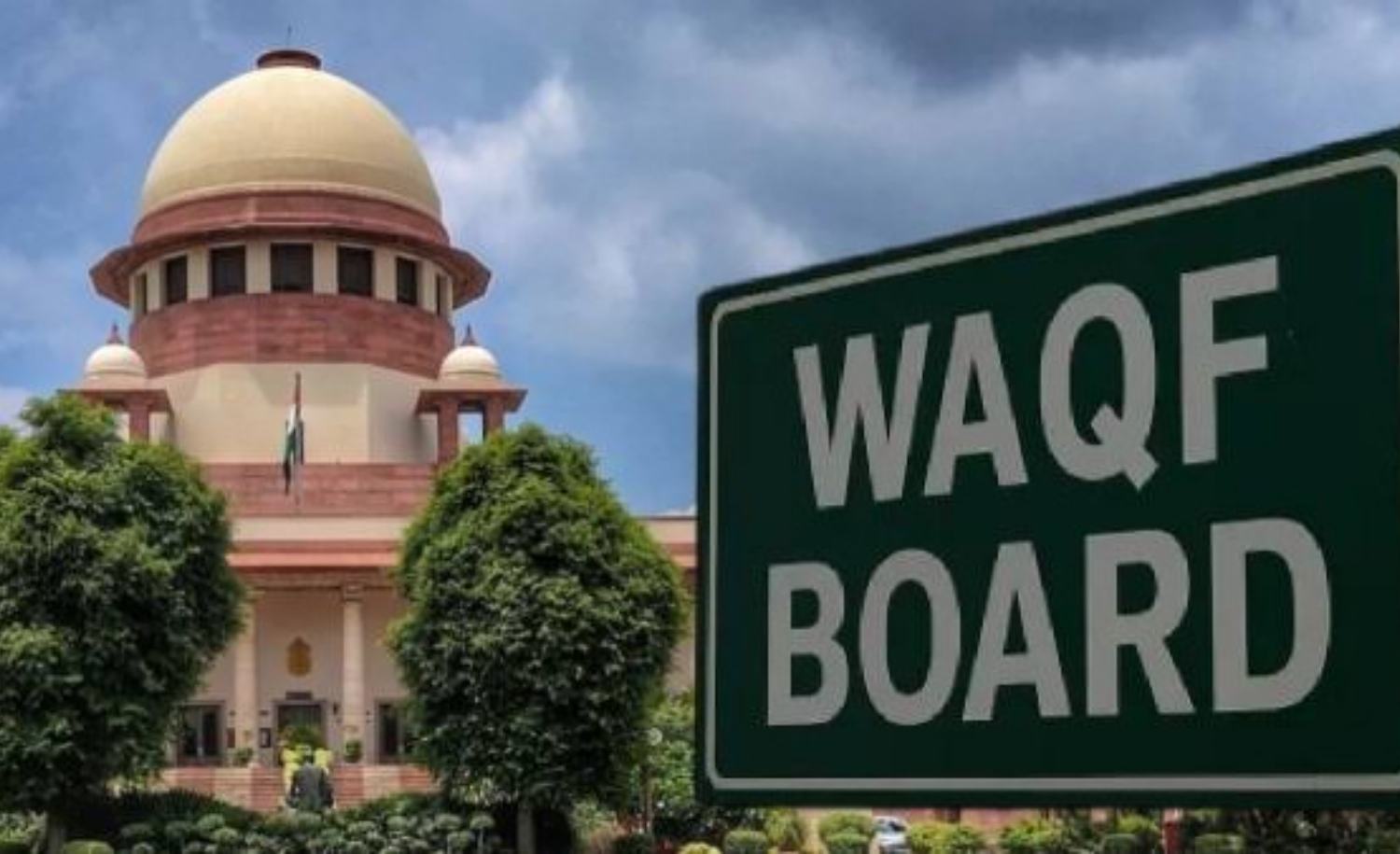

In a significant ruling, the Supreme Court of India has declared that Service Inam lands attached to mosques must be treated as Waqf property and cannot be sold or transferred under any circumstances.
The case revolved around land historically granted as Service Inam, a type of endowment traditionally given in return for religious services. These lands are typically associated with mosques, where the income generated is meant to support religious or charitable activities.
The court made it clear that once land is dedicated for religious use, it takes on the permanent character of a Waqf. This means it no longer belongs to any individual and cannot be treated as private property. The bench emphasized that the original purpose of the grant and its continued use for religious functions firmly establish its legal status.
Importantly, the judges stated that any private sale or transfer of such land does not change its nature. Even if transactions have taken place in the past, they hold no legal validity if the property is indeed Waqf. Such deals, the court said, are invalid in the eyes of the law.
Legal experts believe the ruling strengthens existing principles under Waqf law, which holds that properties dedicated for religious or charitable purposes are inalienable. The judgment reinforces the idea that these assets must remain tied to their original purpose and cannot be diverted for personal use.
The decision is expected to impact thousands of acres of land across India that fall under Waqf classification. Many of these properties are currently under dispute or face issues such as encroachment and unclear ownership.
With this clarification, authorities and Waqf Boards may step up efforts to identify and protect such lands. At the same time, individuals or groups who acquired these properties through private deals could face legal scrutiny.
Overall, the verdict reaffirms the legal protection given to religious endowments and sends a strong message that such properties cannot be commercially exploited.