
Supreme Court Issues Nationwide Road Safety Directions, Bans Illegal Parking on Expressways
Top court says highways must not become “corridors of peril” and orders strict measures to prevent avoidable deaths.
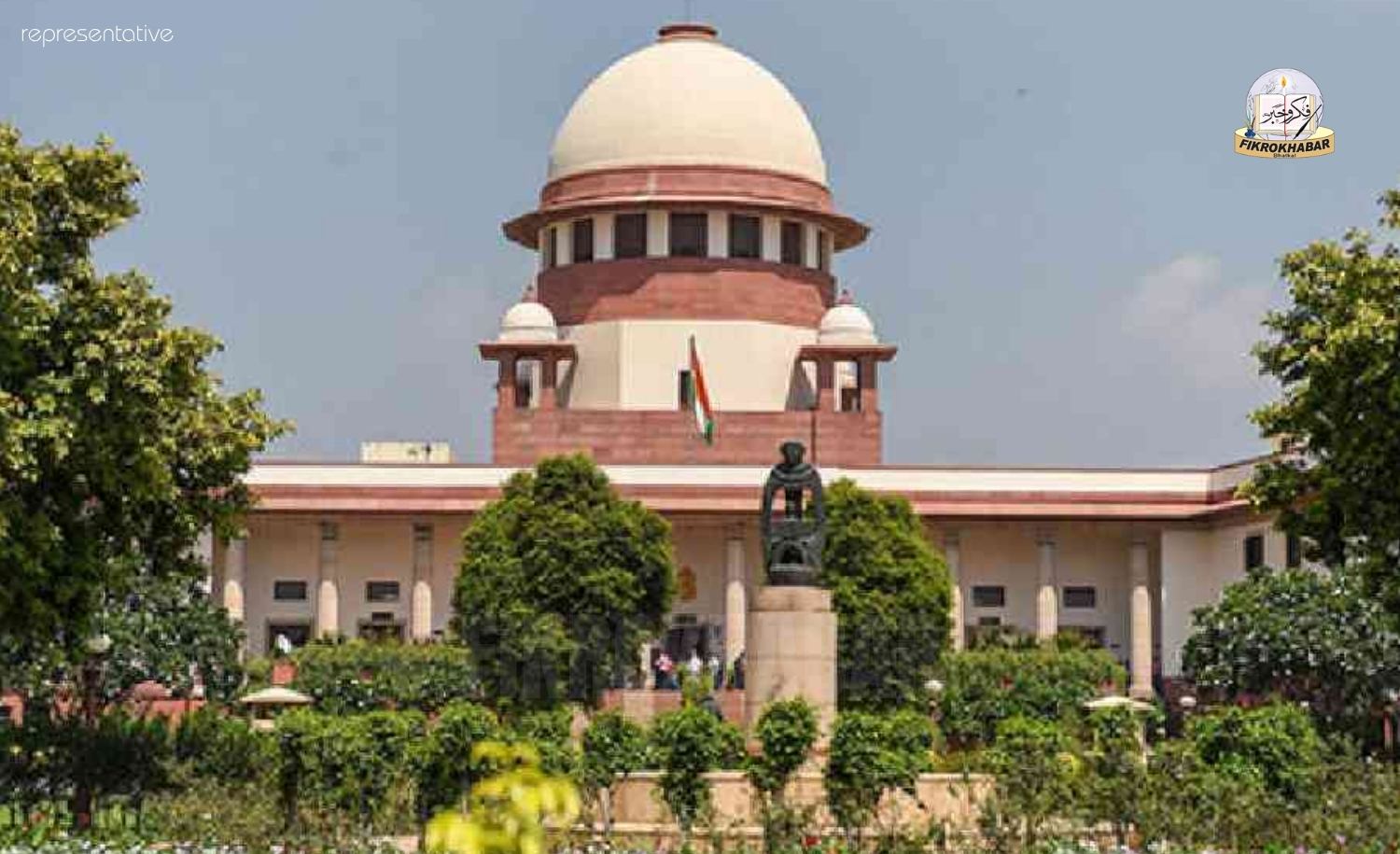

The Supreme Court of India has rolled out a series of nationwide guidelines aimed at improving road safety, stressing that expressways and national highways must not turn into “corridors of peril” due to negligence or poor infrastructure.
A bench comprising Justices JK Maheshwari and AS Chandurkar highlighted a worrying statistic. National highways make up only about two percent of India’s road network, yet they account for nearly 30 percent of all road accident deaths. The court said this imbalance reflects serious systemic issues that must be urgently addressed.
The ruling came in a suo motu case following tragic accidents in November 2025 in Rajasthan and Telangana that claimed 34 lives. The court observed that such incidents point to deeper failures in road management and safety enforcement.
Invoking Article 21 of the Constitution, which guarantees the right to life, the bench emphasized that the State has a responsibility not just to prevent unlawful deaths but also to ensure safe conditions for citizens. It said even one life lost due to preventable hazards such as illegal parking or accident-prone zones represents a failure of governance.
Among the key directives, the court has banned heavy and commercial vehicles from parking on highway carriageways or shoulders, except in designated areas like lay-bys or approved rest zones. Authorities have been instructed to enforce this rule using technology such as Advanced Traffic Management Systems, GPS tracking, and e-challan mechanisms.
The court also ordered the immediate halt on setting up new dhabas, eateries, or any commercial establishments within highway limits. District authorities have been directed to remove all unauthorized structures within 60 days.
Further, no licenses or approvals can be granted for businesses operating in highway safety zones without clearance from agencies like the National Highways Authority of India or the Public Works Department. Existing licenses in such areas must be reviewed within a month.
To ensure implementation, district magistrates across the country must form highway safety task forces. These teams will include officials from local administration, police, highway authorities, and other departments. They will oversee regular inspections, patrols, and safety compliance.
The court has set strict timelines for all measures, with most directions to be implemented within 60 days. The Ministry of Road Transport and Highways has been asked to submit a compliance report within 75 days.
Reiterating the urgency, the bench stated that no financial or administrative difficulty can justify delays when human lives are at stake. The matter will be reviewed again in two months to assess progress.