
Split Verdict at Allahabad High Court Over Role of Human Rights Bodies
Justices differ on remarks about alleged inaction in lynching cases and procedural fairness
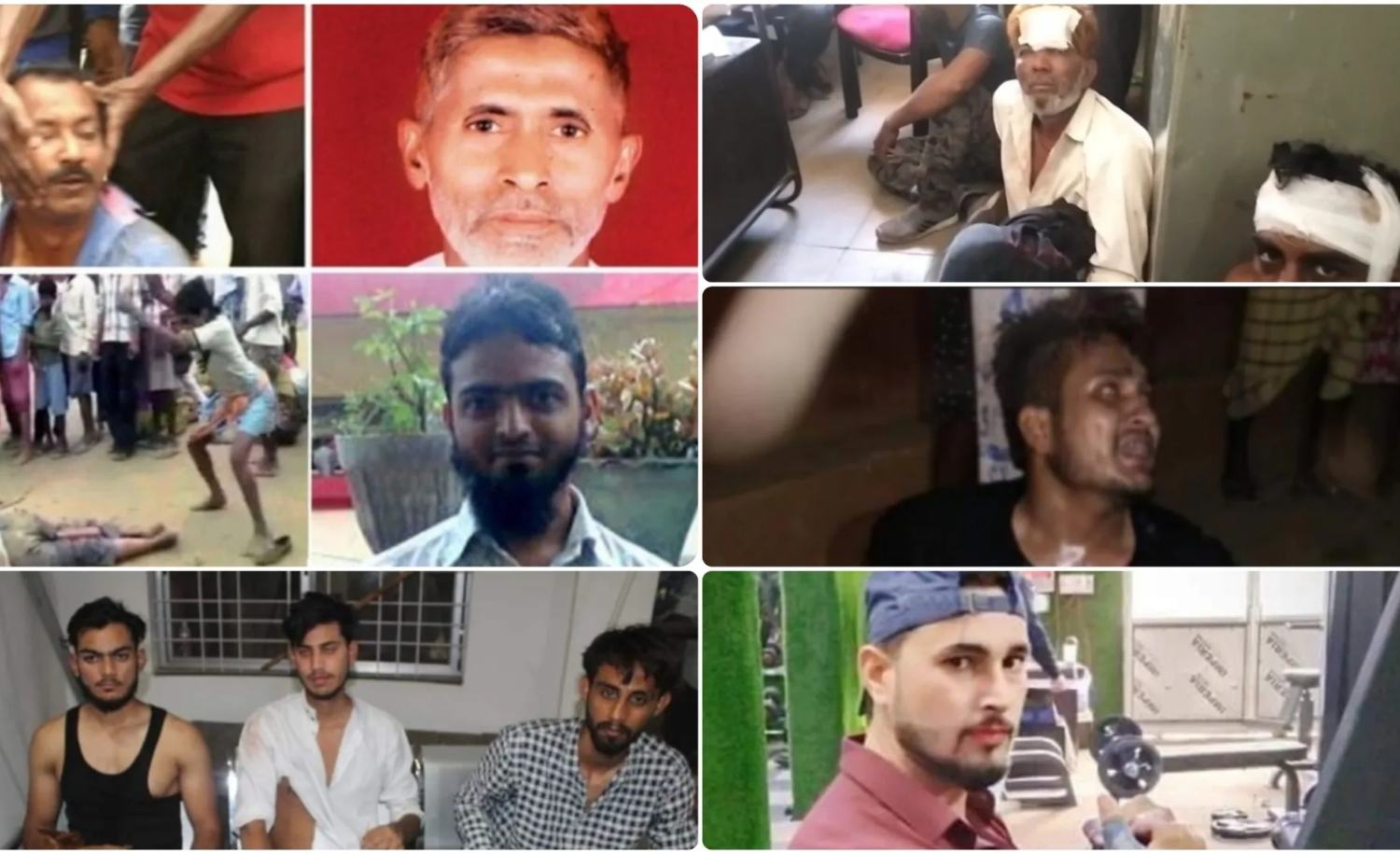

A Division Bench of the Allahabad High Court has delivered contrasting interim orders in a case that has sparked debate over the role of human rights institutions in India. Justices Atul Sreedharan and Vivek Saran expressed differing views while hearing a petition filed by the Teachers Association Madaris Arabia.
The petition challenges certain actions of the National Human Rights Commission related to madrasa matters. During the proceedings, Justice Sreedharan raised concerns about what he described as a lack of proactive intervention by human rights commissions in cases involving alleged attacks and lynching of Muslims.
He observed that in incidents where members of the Muslim community are reportedly assaulted and cases are either not registered or not properly investigated, there appears to be little suo motu action from such bodies. The judge questioned why these commissions were focusing on issues that could fall under the jurisdiction of High Courts, instead of addressing what he viewed as more urgent human rights concerns.
Justice Sreedharan also spoke about wider social tensions, pointing to situations where interactions between people of different communities can lead to fear. He referred to allegations of vigilante actions and noted that no clear instance had been presented in court where the NHRC or state commissions had independently stepped in to address such cases.
However, Justice Vivek Saran did not agree with these remarks and issued a separate order. He described the observations as broad and said he could not support them.
Justice Saran stressed the need for fairness in judicial proceedings. He said that before making critical observations about institutions like the NHRC, all relevant parties should be given a chance to present their side. While courts have the authority to pass orders even in the absence of some parties, he cautioned against making adverse comments without proper representation.
The differing opinions from the two judges underline a clear divide within the bench, balancing concerns about systemic issues with the need for judicial restraint. The case is expected to continue, with further hearings likely to provide greater clarity after all parties are heard.