
Shivakumar Slams Centre Over Women’s Bill, Calls for Broader Democratic Consultation
Karnataka Deputy CM criticises timing and process of proposed women’s reservation legislation after it fails in Lok Sabha
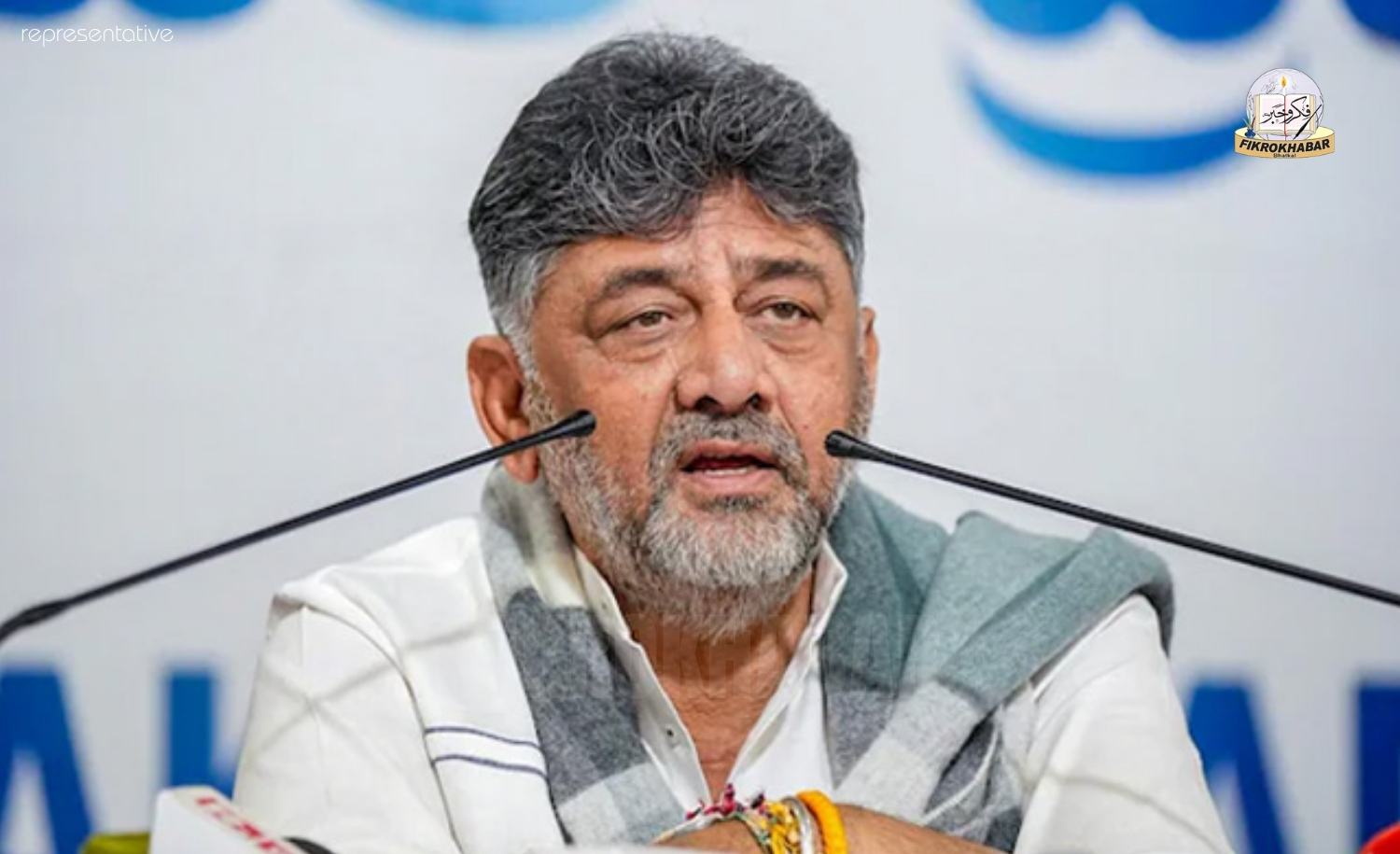

Bengaluru: Karnataka Deputy Chief Minister D. K. Shivakumar has strongly criticised the BJP-led Central government over the way it introduced the Women’s Reservation Amendment Bill, arguing that opposition parties were not consulted adequately.
Speaking to reporters in Bengaluru on Sunday, Shivakumar said that while the Congress has always supported reservation for women, the manner in which the Bill was brought forward raised serious concerns. He emphasised that major legislative changes should follow a consultative and democratic process.
“This is a democracy, not a Hitler-style rule,” he said, questioning the timing of the proposal during an election period and warning against sudden changes to constituencies without consensus.
The Deputy Chief Minister maintained that such a significant reform required discussions across party lines. According to him, the lack of consultation prompted strong resistance from opposition parties, which he described as a collective success for the INDIA alliance.
The remarks came after the Constitution Amendment Bill aimed at implementing 33 percent reservation for women in legislatures from 2029 failed to pass in the Lok Sabha. Although 298 members supported the Bill, 230 voted against it, falling short of the required two-thirds majority.
The proposal also included increasing the number of Lok Sabha seats from 543 to 816 following a delimitation exercise based on the 2011 Census. Similar expansions were planned for state and Union Territory assemblies to accommodate the reservation quota.
Responding to allegations from the BJP that the Congress is anti-women, Shivakumar rejected the claim, stating that women’s rights are a national priority and not the property of any single party. He pointed out that the Congress had previously supported the Bill in the Rajya Sabha and has already implemented 50 percent reservation for women in local bodies.
He also raised concerns about the potential impact of the proposed changes on regional representation. According to him, redrawing constituencies without proper consultation could shift political weight toward northern states while reducing representation in the south.
Shivakumar noted that several senior leaders, including Rahul Gandhi and Mallikarjun Kharge, along with Chief Ministers from southern states, have opposed the move. He described the Bill’s defeat as a significant moment for democratic values.
Reiterating his party’s stance, Shivakumar said that the Congress and its allies remain committed to advancing women’s rights through a fair and inclusive process.