
RBI Keeps Interest Rates Unchanged and Raises Growth Forecast Despite Global Oil Concerns
India's central bank remains confident in the economy as it watches the impact of rising oil prices and inflation risks.
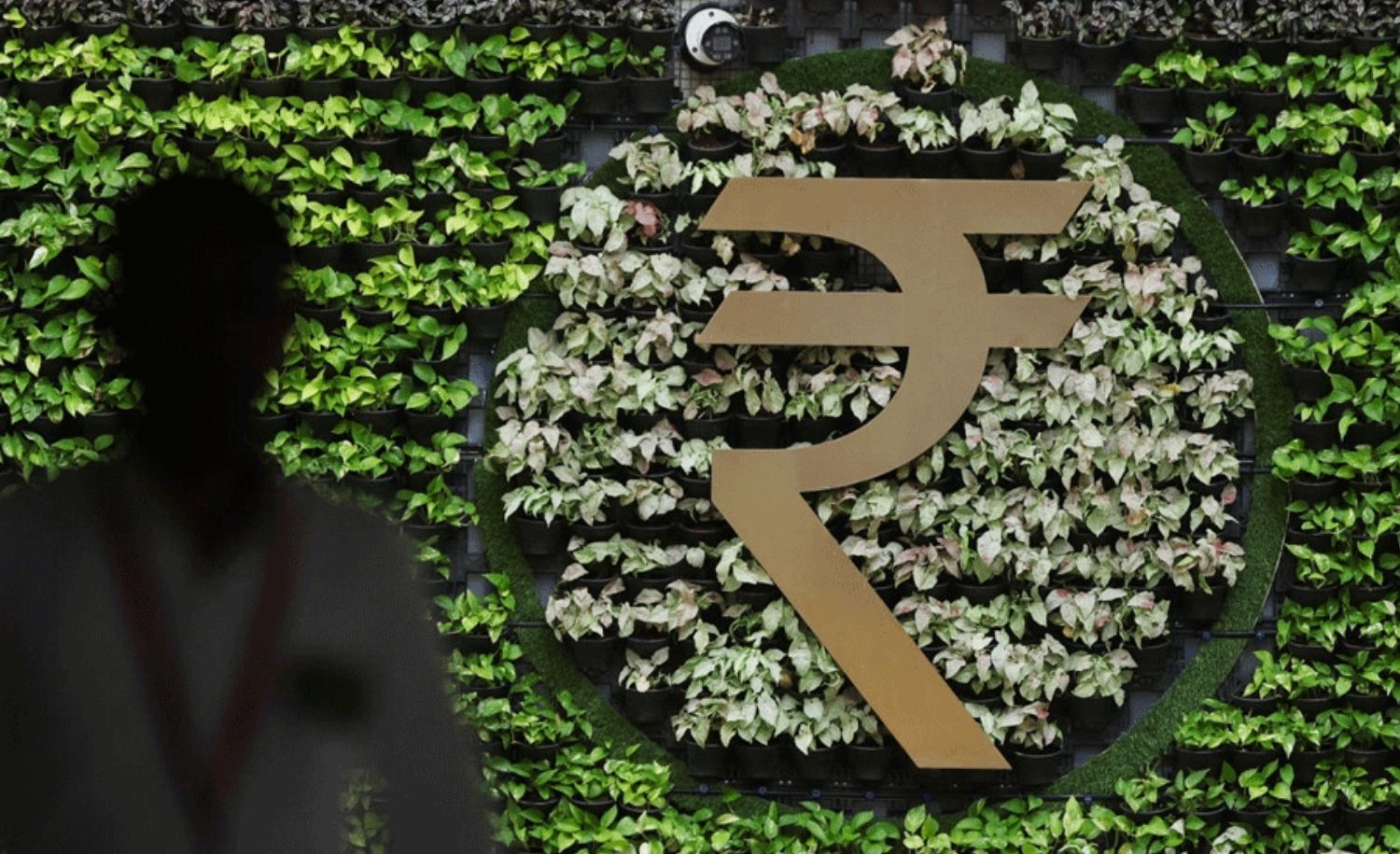

The Reserve Bank of India has decided to leave its benchmark interest rate unchanged at 5.25 percent, marking the fourth consecutive policy meeting without a rate change. The decision was approved unanimously by the central bank’s six member Monetary Policy Committee, which also retained its neutral policy stance.
RBI Governor Sanjay Malhotra said the Indian economy continues to perform well despite growing uncertainty caused by the conflict involving Iran and its impact on global oil prices. He said the central bank prefers to monitor incoming economic data before making any changes to interest rates.
Reflecting confidence in the country’s economic outlook, the RBI increased its growth forecast for the current financial year to 6.7 percent from the earlier estimate of 6.6 percent.
India remains one of the fastest growing major economies in the world. While inflation has stayed below the RBI’s upper tolerance limit of 6 percent, it is still above the central bank’s preferred level, remaining above 4 percent.
The RBI believes the recent increase in crude oil prices linked to tensions in the Middle East may be temporary rather than the beginning of a prolonged inflation cycle. As a result, policymakers are choosing to wait for more clarity before adjusting monetary policy.
Apoorva Javadekar, Chief Economist at Muthoot Fincorp, said the RBI’s decision reflects a sensible approach given the uncertainty surrounding global oil prices.
Investors and economists are now closely watching the next set of inflation and GDP data, which are expected later this month. Upasna Bhardwaj, Chief Economist at Kotak Mahindra Bank, said future policy decisions will depend largely on upcoming economic indicators.
Despite the positive outlook, several challenges remain. Uneven monsoon rainfall could affect agricultural production and push food prices higher. Consumer goods companies are also expected to raise prices, adding to inflationary pressures.
India’s heavy dependence on imported crude oil continues to be a key concern. The country imports nearly 90 percent of its oil requirements, making it vulnerable to any sustained rise in international energy prices.
The Indian rupee also remains under pressure. Although around 41 billion dollars in foreign investment has entered the country and the currency has recovered about 1 percent since June, it is still down 5.4 percent this year, making it one of Asia’s weakest performing currencies.
Governor Malhotra acknowledged that food and fuel costs could increase in the coming months. However, he said there is currently little evidence that inflation is spreading across the broader economy, reducing the need for immediate policy action.
Most economists expect the RBI to keep interest rates unchanged for the rest of the year. Madhavi Arora of Emkay described the central bank’s stance as cautious but supportive and said no rate hikes are expected in the near term.
Sakshi Gupta, Principal Economist at HDFC, said any future rate increase would likely require stronger and more widespread inflationary pressures rather than temporary increases in food and oil prices.
However, Upasna Bhardwaj believes the RBI could still raise interest rates by a total of 50 basis points before the end of the current financial year if inflationary risks become more persistent.