
Questions Grow Over Election Commission Functioning as SIR Controversy Deepens
Report of 14 objections by two Election Commissioners sparks legal and political debate, while EC maintains all decisions were unanimous
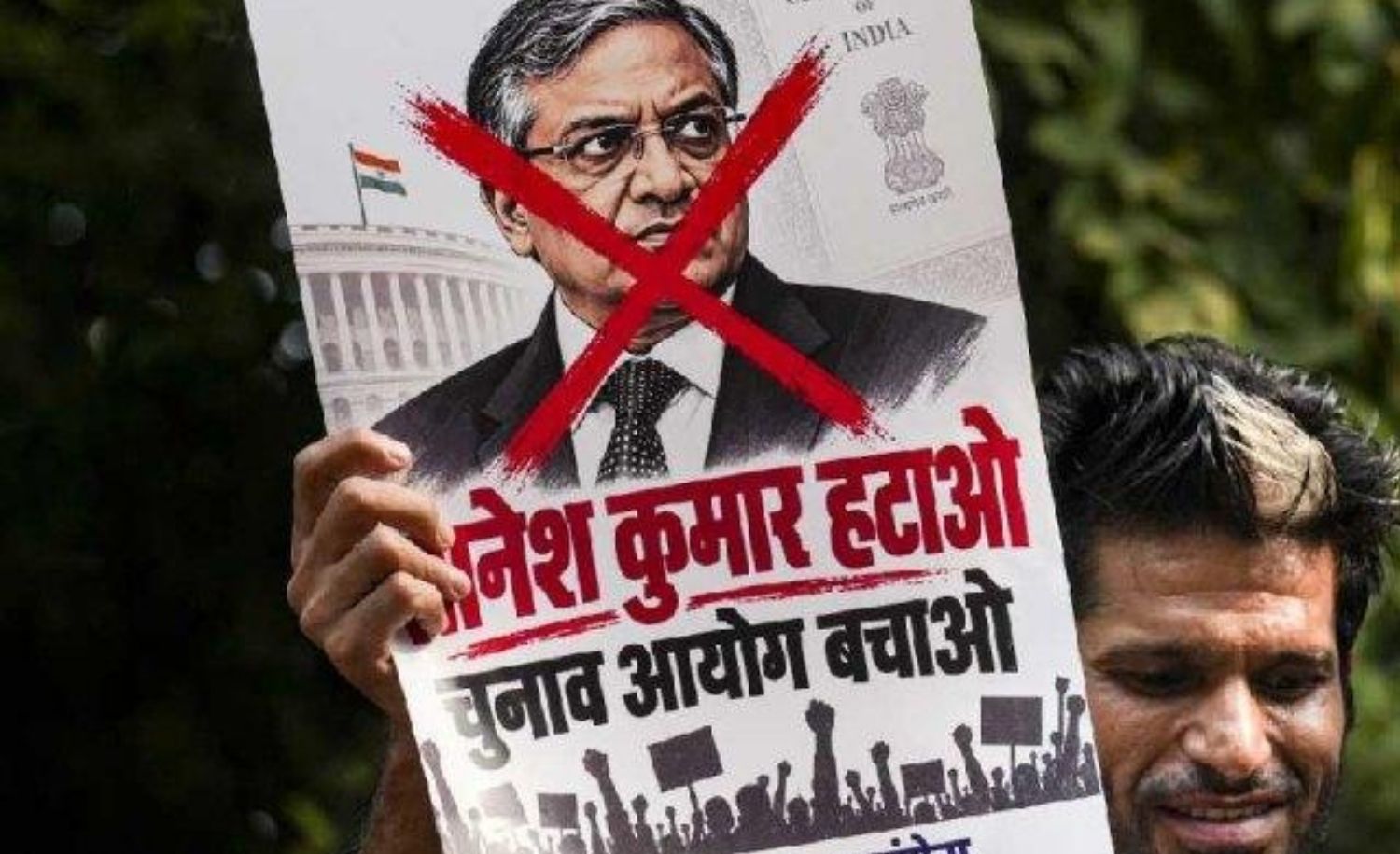

New Delhi: Questions over the functioning of the Election Commission of India and the Special Intensive Revision (SIR) of electoral rolls have intensified following a report that two Election Commissioners raised written objections to several decisions taken over the past 10 months.
According to an investigation by The Indian Express, Election Commissioners Sukhbir Singh Sandhu and Vivek Joshi raised objections at least 14 times on matters related to electoral rolls. The issues reportedly included deletion and restoration of voter names, registration of new voters, changes to Form 6, appeals concerning electoral rolls and the management of voter data.
The report also said that the two commissioners had raised concerns over the inclusion of additional information in Form 6 during the SIR process and the centralised management of electoral roll data. Some of their objections reportedly questioned whether certain decisions had received the required approval of the full Commission.
Election Commission Rejects Claims of Internal Paralysis
The Election Commission has rejected suggestions that the reported objections indicate a breakdown in its functioning.
According to the Commission, members can raise questions, offer suggestions or record objections during internal deliberations. However, it maintains that final decisions, including those concerning the nationwide SIR, have been taken unanimously with the approval of the Chief Election Commissioner and the two Election Commissioners.
The Commission has therefore described the reported differences as part of its internal decision making process rather than evidence of a constitutional or administrative crisis.
Legal Questions Raised
The reported objections have prompted legal and political debate over the powers and functioning of the three member poll panel.
The 2023 law governing the appointment and conditions of service of the Chief Election Commissioner and other Election Commissioners provides for decision making by the Commission through consensus and, where necessary, by majority. The Chief Election Commissioner and the other Election Commissioners are members of the same Commission.
Some legal commentators have argued that if important decisions were taken without proper consultation or despite formal objections by other commissioners, the procedure could face judicial scrutiny. However, whether any particular decision was unlawful would ultimately depend on the relevant records, statutory provisions and judicial findings.
The controversy has also intensified political criticism of the SIR exercise. Opposition parties have raised concerns that large scale changes to electoral rolls could affect eligible voters, while the Election Commission has maintained that the exercise is intended to update electoral rolls and identify deceased, duplicate, ineligible or otherwise incorrect entries.
Will SIR Be Cancelled?
There is currently no final decision to cancel the SIR nationwide. The issue remains subject to political debate and judicial scrutiny in different proceedings.
The latest controversy centres on two separate questions: whether the internal objections reported by the media indicate a significant disagreement within the Election Commission, and whether the procedures followed during the SIR comply with the applicable legal and constitutional framework.
Any decision to suspend, modify or cancel the SIR would have to come through the competent constitutional or judicial process. For now, the Election Commission continues to maintain that its decisions have been taken through the established institutional procedure and with the approval of all three commissioners.