
Political Turmoil in West Bengal as Mamata Banerjee Refuses to Resign After Defeat
Allegations against the Election Commission and major shifts in southern states reshape India’s political landscape.
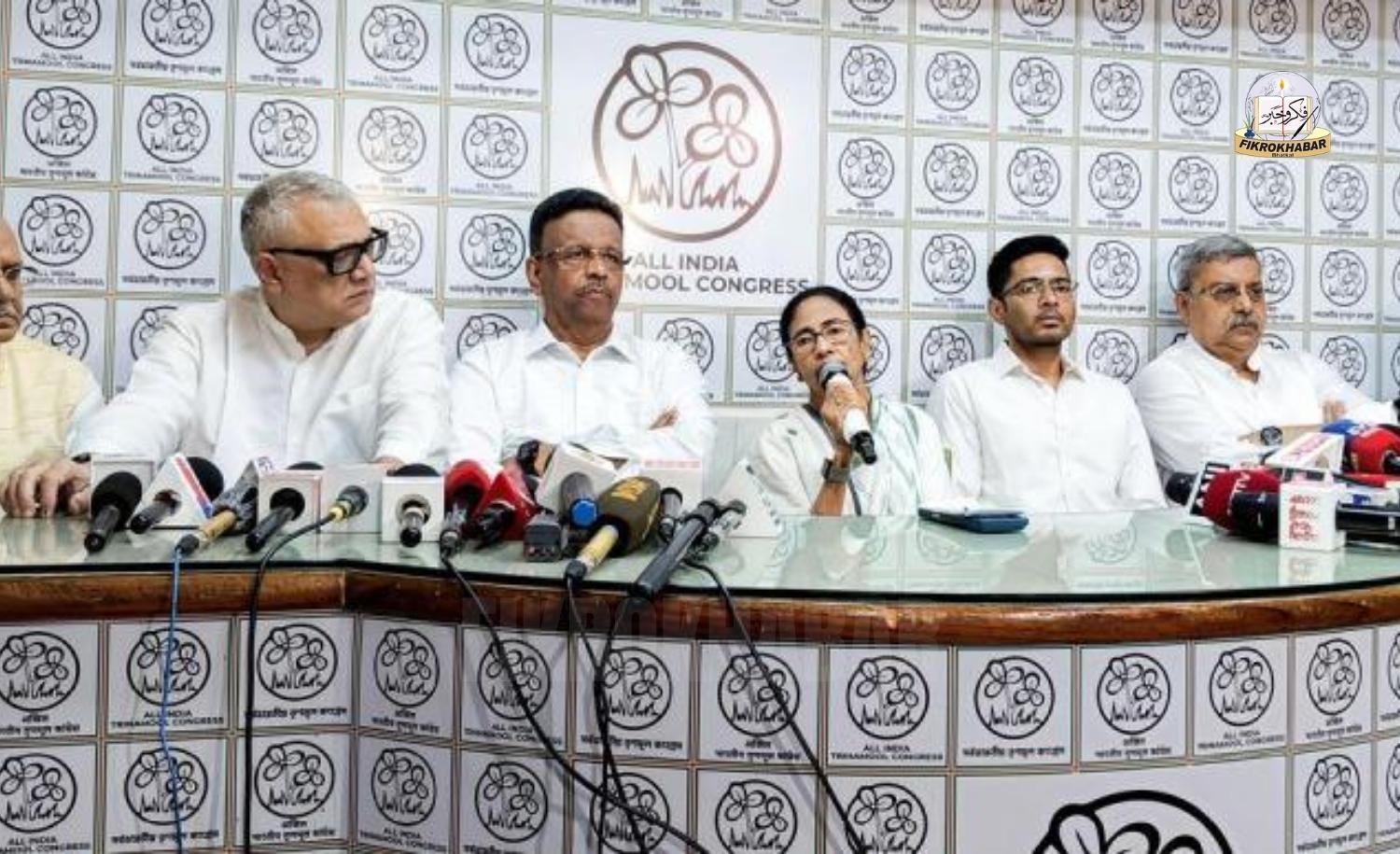

The results of the recent assembly elections in West Bengal, Tamil Nadu, and Kerala have triggered significant political developments across India. In West Bengal, outgoing Chief Minister Mamata Banerjee has firmly refused to step down despite her party’s defeat, setting the stage for a tense political situation.
Speaking on Tuesday, Banerjee claimed that the election outcome did not reflect the true will of the people. She alleged that the process was influenced by a deliberate conspiracy and accused the Election Commission of working in favor of the Bharatiya Janata Party. According to her, the real contest was not against the BJP but against the Election Commission itself.
Meanwhile, the BJP, which secured a decisive victory in the state, has begun preparations to form its first government in West Bengal. The party leadership has appointed Union Home Minister Amit Shah as the central observer to oversee the selection of the legislative party leader in the state. In Assam, BJP president J P Nadda has been given a similar role.
In Tamil Nadu, the political landscape has also undergone a dramatic shift. DMK leader M K Stalin has resigned as Chief Minister and submitted his resignation to Governor Rajendra Vishwanath Arlekar. The biggest surprise in the state came from actor Vijay’s newly formed party, TVK, which emerged as the single largest party by winning 108 out of 234 seats.
With Mamata Banerjee challenging the election results and confronting the Election Commission, political tensions in West Bengal are expected to rise further. Legal and political observers are closely watching how the situation unfolds, particularly during the government formation process and the next steps taken by her party.