Pay 25% DA Immediately, Release First Instalment by March 31: Supreme Court to West Bengal Government
Apex court says dearness allowance is a legal right of employees, orders phased payment of long-pending arrears.
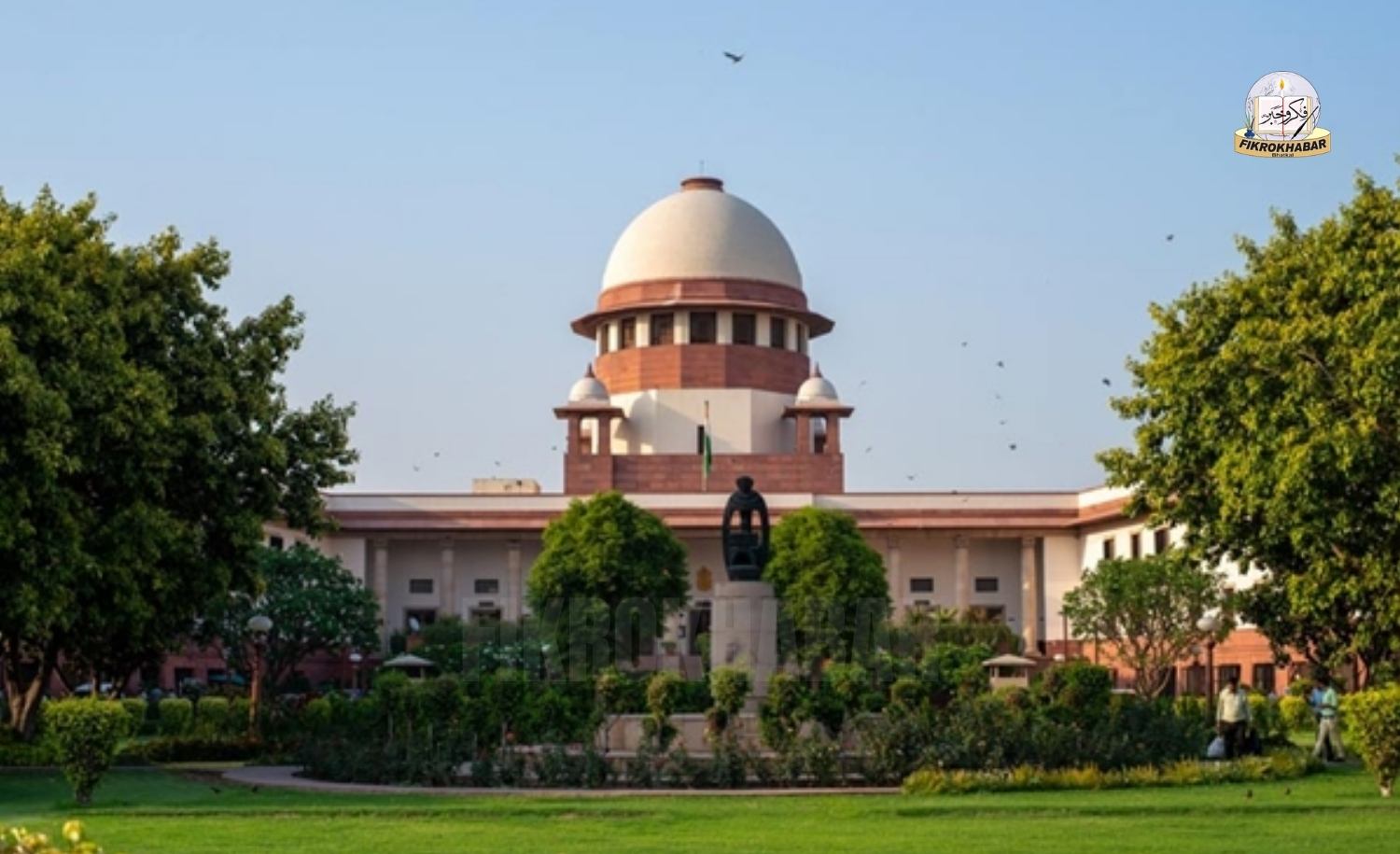

The Supreme Court on Thursday directed the Mamata Banerjee-led West Bengal government to immediately pay 25 per cent of the pending dearness allowance (DA) to state government employees and release the first instalment of the remaining dues by March 31.
A division bench comprising Justice Sanjay Karol and Justice Prashant Kumar Mishra held that dearness allowance is a legally enforceable right of employees and cannot be treated as a discretionary grant by the state. The court ordered the release of DA arrears for the period between 2008 and 2019 in accordance with its judgment.
Justice Karol, while delivering the order, observed that DA is meant to offset the impact of inflation and ensure that employees are able to maintain a basic standard of living. He noted that salaries which do not adjust to rising prices often fail to meet essential needs, leading to a decline in living standards.
“Dearness allowance is not an additional benefit but a mechanism to maintain a minimum standard of living,” the court observed, describing DA as a uniquely Indian response to protecting wages from the effects of inflation.
To oversee the implementation, the Supreme Court constituted a four-member committee chaired by former judge Justice Indu Malhotra, along with former judges Justices Tarlok Singh Chauhan and Gautam Bhaduri, and either the Comptroller and Auditor General of India or a senior official nominated in consultation with the state government. The committee will calculate the total dues, determine the payment schedule, and periodically verify the amounts released.
The committee has been asked to submit its recommendations by March 6, 2026. The first instalment of the remaining DA arrears must be paid by March 31, and a compliance report has to be filed before the Supreme Court by April 15.
The dispute over DA dates back to 2008, when the then Left Front government constituted the Fifth Pay Commission to review pay structures and recommend DA payments based on the All India Consumer Price Index (AICPI). The commission advised the state to follow the central government’s practice of releasing two DA instalments every year, and rules were framed in 2009.
However, delays in DA payments led the Confederation of State Government Employees to approach the West Bengal Administrative Tribunal. Although the Tribunal initially ruled in favour of the state in 2017, the Calcutta High Court set aside that decision in 2018 and directed the state to frame norms and clear arrears. The state government challenged these orders, eventually leading to the matter reaching the Supreme Court.
In May last year, the apex court had passed an interim order directing the state to pay 25 per cent of the DA within three months. The West Bengal government later sought an extension, citing financial constraints. Since 2022, the matter saw at least 18 adjournments following the state’s appeal against contempt proceedings initiated by the Calcutta High Court.
At present, dearness allowance for West Bengal government employees stands at 18 per cent of basic pay, compared to central government employees, who receive around 40 per cent more.
Reacting to the verdict, Leader of Opposition in the West Bengal Assembly Suvendu Adhikari said the Supreme Court order had upheld the fundamental rights of state government employees. He alleged that the state government had wrongly denied DA for years despite repeated legal setbacks.
The Confederation of State Government Employees and other employee bodies had challenged the state’s continued refusal to clear the dues, leading to the final ruling by the apex court.