
Owaisi Urges Muslims to Choose Their Own Leaders Instead of Relying on Established Parties
The AIMIM chief calls for greater Muslim political representation in Uttar Pradesh ahead of next year’s Assembly elections.
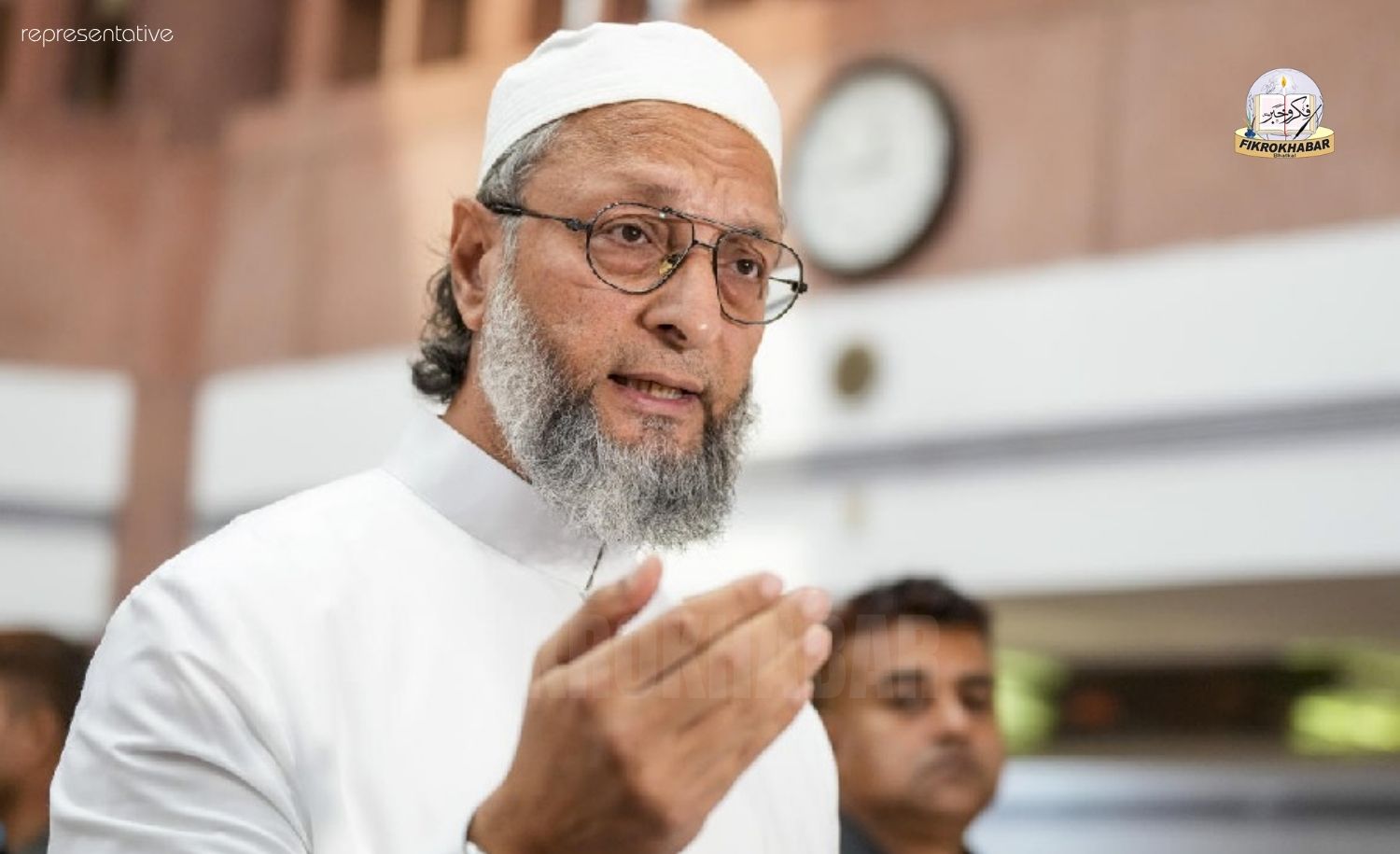

Rampur: All India Majlis e Ittehadul Muslimeen (AIMIM) chief and Hyderabad MP Asaduddin Owaisi has urged Muslims to develop leadership from within their community rather than depend on political figures associated with the Nehru Gandhi family or Yadav leaders.
Addressing a rally in the Tanda area of Rampur district on Monday, Owaisi said Muslims needed an independent political voice to raise concerns about discrimination and violence against the community.
He criticised what he described as a political system in which Muslim workers contribute to the success of other parties but receive limited opportunities for leadership. He also said Muslim youth had considerable talent but were often encouraged to work for established political leaders instead of taking leadership roles themselves.
Owaisi’s remarks come as his party seeks a role in the opposition INDIA bloc ahead of the 2027 Uttar Pradesh Assembly elections. According to the report, the Samajwadi Party has indicated that there is no space for additional parties in the alliance, while Congress leaders have not responded positively to his overtures.
The AIMIM chief also raised concerns about development and education in Rampur, a district with a substantial Muslim population. Citing government data, he pointed to the district’s reported literacy rate of 53 per cent, compared with 67 per cent across Uttar Pradesh. He also claimed that more than 70 per cent of children in the district suffer from anaemia.
His comments followed similar criticism by Om Prakash Rajbhar, leader of the BJP ally Suheldev Bharatiya Samaj Party, who questioned whether the Samajwadi Party would nominate a Muslim as its chief ministerial candidate.
Meanwhile, Sunni cleric Maulana Shahabuddin Razvi said some Muslim voters were becoming disillusioned with established political parties and looking for alternatives beyond the Samajwadi Party.
The remarks highlight the continuing debate over Muslim political representation, leadership opportunities and alliances ahead of the next Uttar Pradesh Assembly elections.