
New Gas Booking and Delivery Rules to Take Effect from May 1
Stricter LPG regulations and possible price hike set to impact millions of consumers across India.
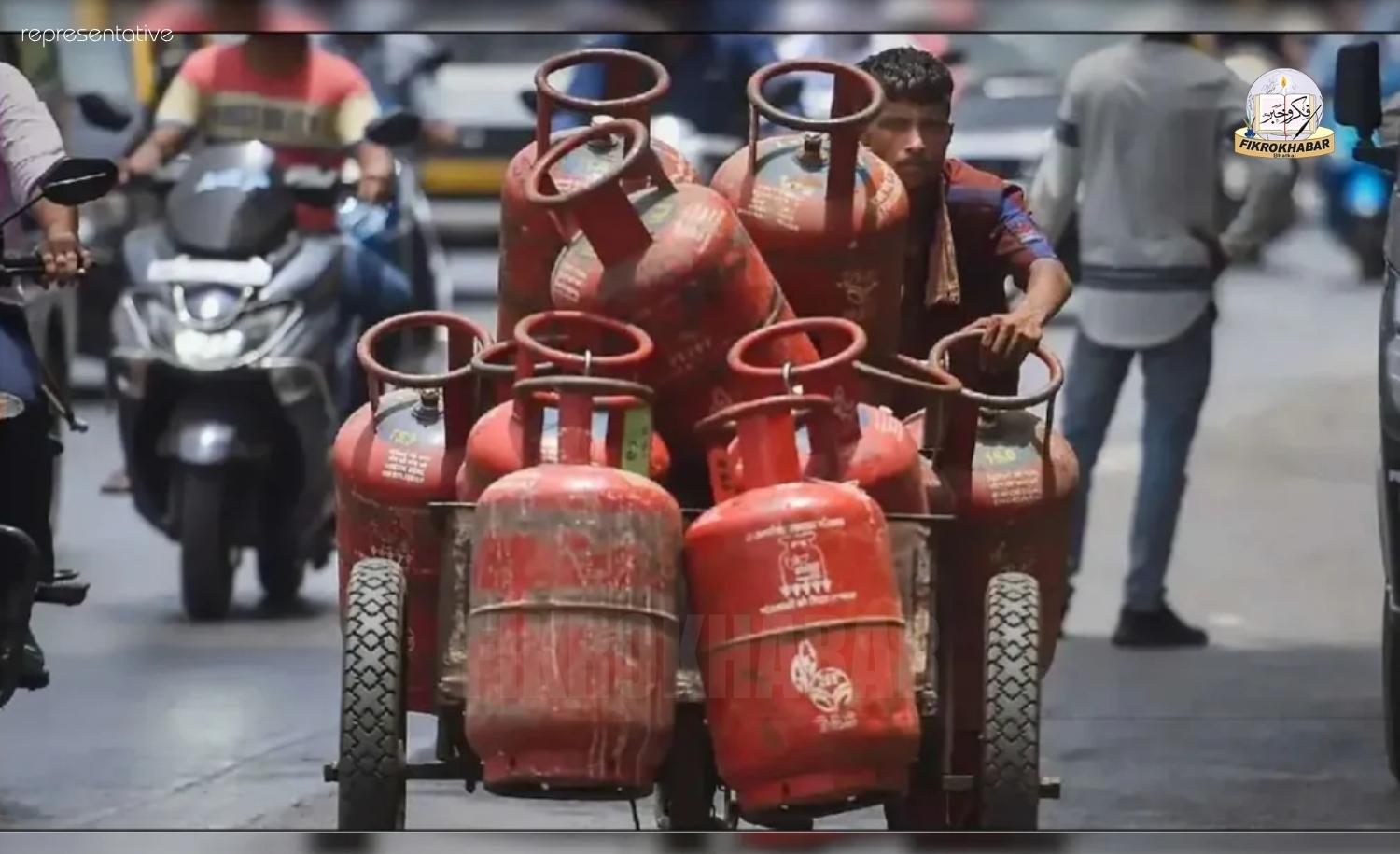

Starting May 1, significant changes in LPG cylinder booking and delivery rules are expected to come into force across India, potentially affecting millions of households. The move comes amid ongoing volatility in global crude oil prices and rising geopolitical tensions, which may also lead to another increase in cylinder prices.
Under the revised system, customers in urban areas will now need to wait 25 days instead of the earlier 21 days to book a new LPG cylinder. In rural areas, the waiting period could extend up to 45 days. To improve security and transparency, OTP based verification will be made mandatory for all deliveries.
Current data shows that 98 percent of LPG bookings are already being made online, while 94 percent of deliveries are completed using OTP verification. Authorities aim to increase both figures to full compliance in the near future by tightening regulations further.
Prices have already been on the rise. Since March, the cost of a 14.2 kilogram domestic LPG cylinder has gone up by Rs 60. Commercial users have faced even sharper increases, with 19 kilogram cylinders seeing three price revisions in just one month. In April 2026 alone, metro cities recorded a steep hike of Rs 196 for commercial cylinders.
Experts attribute this surge to rising crude oil prices in the international market, influenced in part by tensions between the United States and Iran. A fresh price revision is expected to be announced on the morning of May 1.
The government has also made Aadhaar based eKYC mandatory for beneficiaries of the Pradhan Mantri Ujjwala Yojana. Those who have not yet completed this process will need to verify their details at least once every financial year, especially after their seventh refill, to continue receiving subsidies without interruption. However, users who have already completed eKYC will not need to repeat the process.
These steps are aimed at curbing black marketing and misuse of subsidized cylinders while ensuring greater transparency in the system.
In another key development, the government is pushing for wider adoption of piped natural gas. Households with access to PNG connections will be required to switch within three months. Failure to do so could result in suspension of LPG cylinder supply.
With these changes, the government is signaling a shift towards a more targeted and efficient subsidy system. Gas companies have advised consumers to keep their records updated and strictly follow the new delivery guidelines to avoid disruptions.