
Muslim Led Universities Shine in Global Rankings Despite Challenges
AMU, Jamia Millia Islamia and Jamia Hamdard earn national and international recognition through strong academic and research achievements.
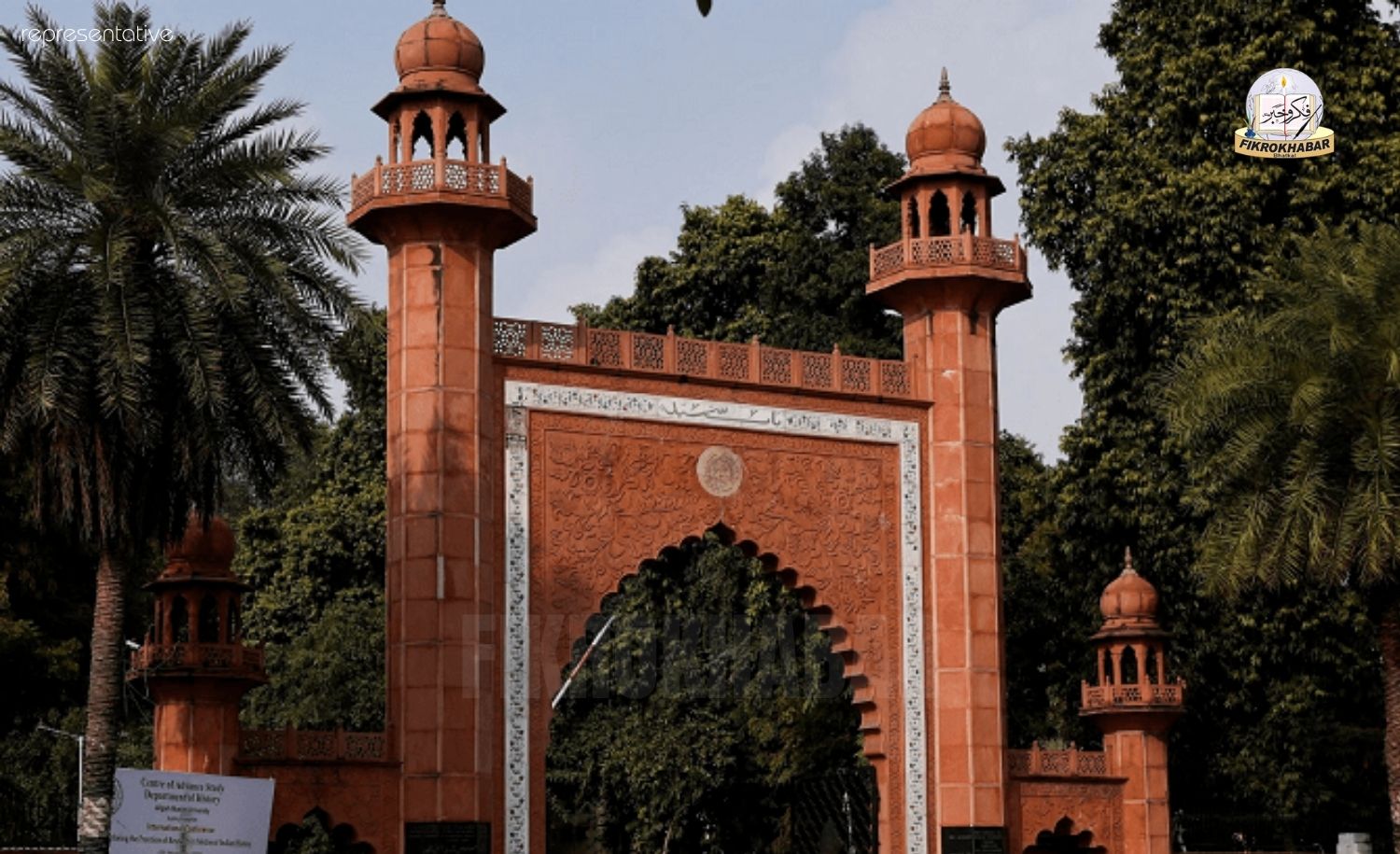

At a time when Muslim institutions in India often find themselves at the center of political and social debates, three prominent Muslim led universities have emerged as symbols of academic excellence and resilience. Aligarh Muslim University, Jamia Millia Islamia and Jamia Hamdard have strengthened their reputation through outstanding performances in national and global rankings, drawing attention to their contributions to higher education and research.
These institutions were founded with the vision of expanding access to modern education and continue to serve students from diverse backgrounds. Equipped with advanced laboratories, extensive libraries and experienced faculty members, they provide quality education across a wide range of disciplines. For many students, these universities represent opportunities for academic growth, innovation and professional development.
Aligarh Muslim University has a legacy spanning more than a century. Founded by Sir Syed Ahmad Khan, the university played a historic role in promoting modern education among Indian Muslims. In the latest Times Higher Education World University Rankings 2026, AMU retained its position in the 601 to 800 global band. At the national level, it ranked tenth among universities and nineteenth in the overall category.
Researchers at AMU have gained recognition in fields such as medical sciences, chemistry and engineering. The university’s medical college participated in important national health initiatives, including clinical trials related to Covid 19 vaccines. Its researchers have also contributed to advancements in cardiac care and other medical technologies.
Jamia Millia Islamia, based in New Delhi and founded in 1920 during India’s freedom movement, continues to strengthen its academic standing. The university holds the highest A++ accreditation from the National Assessment and Accreditation Council. It is ranked fourth among Indian universities and thirteenth overall at the national level.
In the Times Higher Education World University Rankings, Jamia is placed in the 401 to 500 global band. The university’s faculty members have earned recognition for their research contributions, particularly in science and technology. Professor Imran Ali has received international recognition in analytical chemistry, while several other researchers from the institution are listed among the world’s top scientists in their respective fields. University officials say their focus remains on research that addresses real world challenges in healthcare, environmental sustainability and technology.
Jamia Hamdard has also established itself as a leading institution, particularly in pharmaceutical and medical sciences. Founded by Hakim Abdul Hameed in 1989, the university has consistently ranked among the country’s top institutions in pharmacy education. According to national rankings, it has maintained a leading position in the pharmacy category for several years.
The university has also achieved global recognition in pharmacology, earning a place among the world’s top institutions in the subject. Researchers at Jamia Hamdard are working on integrating traditional Unani medicine with modern biotechnology to develop innovative healthcare solutions. Their work has received appreciation both in India and internationally.
Women researchers have played a significant role in these achievements. Scientists such as Dr. Bushra Ateeq have earned prestigious national awards for their contributions to scientific research, highlighting the growing presence of Muslim women in advanced scientific fields.
Despite facing various administrative and policy related challenges, officials from these universities say they remain committed to academic excellence, innovation and inclusive education. Their continued success comes at a time when concerns are frequently raised about educational and economic opportunities available to sections of India’s Muslim community.
Through quality education, research and skill development, these institutions continue to provide opportunities to thousands of students and contribute to the country’s academic and scientific progress. Their achievements demonstrate the lasting impact of education, knowledge and research in shaping a stronger and more inclusive future.