
Muslim Bodies Object to Playing of Vande Mataram at Jammu and Kashmir Waqf Day Ceremony
Mutahida Majlis e Ulama expresses deep regret over the inclusion of the song at the Srinagar event attended by Union Minister Kiren Rijiju, citing religious principles and constitutional freedom of conscience.
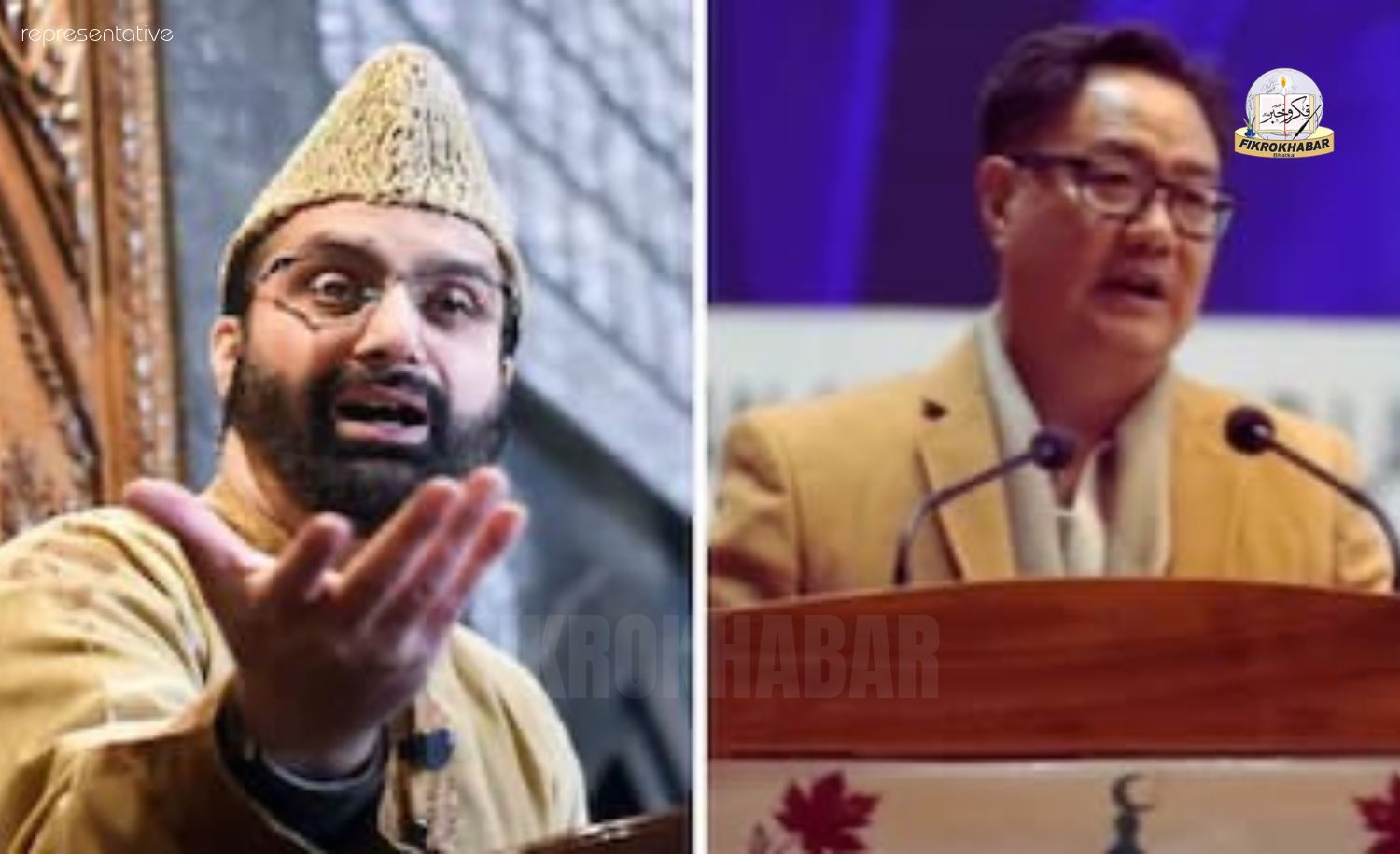

The Mutahida Majlis e Ulama (MMU), a conglomerate representing various schools of Islamic thought, has strongly objected to the playing of Vande Mataram during the Waqf Day ceremony organized by the Jammu and Kashmir Waqf Board in Srinagar. The event, attended by Union Minister of Minority Affairs Kiren Rijiju, took place on November 23 at the Convention Centre of Sher e Kashmir University of Agricultural Sciences and Technology of Kashmir (SKUAST K).
In an official statement, the MMU emphasized that the Islamic principle of Tawheed, which affirms the absolute Oneness of Allah, prohibits attributing divinity to any person, object, or land. Explaining that while Islam encourages love for one’s homeland, it maintains a clear distinction between patriotism and worship, the body stated that treating the motherland as divine runs counter to core Islamic tenets. The organization also noted that the All India Muslim Personal Law Board has similarly opposed the compulsory singing of the song on both religious and constitutional grounds.
Expressing deep regret that the song was played at a function hosted by the Waqf Board itself, an institution mandated to safeguard Muslim religious endowments, the MMU pointed out that there was no legal requirement for its inclusion. It stated that proceeding with the recital disregarded the religious sentiments of Kashmiri Muslims and caused widespread hurt.
Voicing concern over the increasing trend of playing Vande Mataram at official gatherings in Jammu and Kashmir, the MMU warned that such measures undermine constitutional guarantees of religious freedom. The body announced that it is seeking legal counsel and plans to submit a formal representation urging authorities to respect freedom of conscience and halt the mandatory inclusion of the song at government functions, educational institutions, and public events in the region.