
Modi Calls for Isolation of ‘Dimagi Naxals’ in Independence Day Speech, Congress Pushes Back
Prime Minister Narendra Modi said armed Naxalism had weakened but alleged that an ideological form of Naxalism remained a threat, drawing sharp criticism from Congress leader Jairam Ramesh.
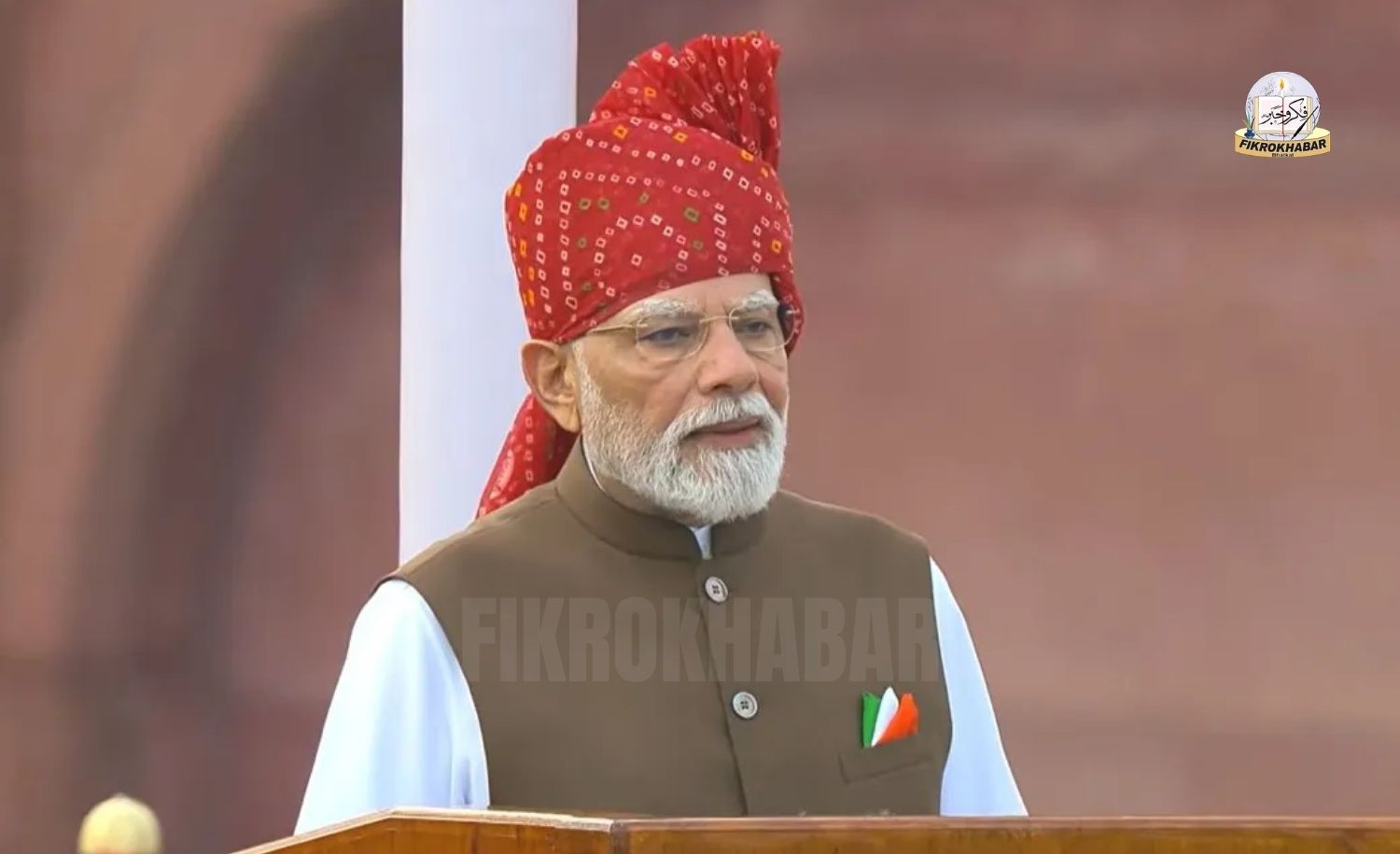

Prime Minister Narendra Modi used his Independence Day address from the Red Fort on Saturday to warn against what he called a continuing “Naxal mentality”, arguing that the decline of armed Naxalism had not eliminated the ideological influence he associates with the movement.
After hoisting the National Flag, Modi said those he described as having a Naxal ideology continued to pose a danger to society. He called on authorities to identify and isolate what he referred to as “dimagi Naxals”.
Modi said people influenced by Maoist ideology had, in his view, previously gained influence within government institutions and policymaking. While claiming that armed Naxal groups had been pushed back in forested areas, he argued that their ideological influence remained.
He also said Naxalism and Maoism had caused widespread violence over several decades. Referring to the deaths of security personnel, Modi said thousands of police and security forces had lost their lives while protecting civilians.
According to Modi, his government made the elimination of Naxalism a priority after coming to power in 2014. He claimed that violence linked to Naxalite and Maoist groups was now nearing its end and said former Naxal affected areas were increasingly seeing development and government presence.
The Prime Minister drew a distinction between armed Naxalites and those he described as ideological Naxals. He alleged that the latter were waiting for opportunities to revive violence and disorder and urged people to identify and isolate them.
Congress leader Jairam Ramesh criticised the remarks on social media. He said Modi had previously used the term “urban Naxals” for his political opponents and was now using the phrase “dimaagi Naxals”.
Ramesh described the language as a sign of political desperation and accused the Prime Minister of repeatedly attaching the Naxal label to those who disagree with him.
President Droupadi Murmu had also spoken about the government’s campaign against Naxalism in her Independence Day eve address. She described the effort to make India Naxal free as a significant achievement and said development was reaching communities in areas once affected by the conflict.
Murmu pointed to events in Chhattisgarh’s Bastar, including the Bastar Olympics and Bastar Pandum, as examples of increased public participation and a changing environment in the region.
Beyond the issue of Naxalism, Modi used his Independence Day speech to outline his vision for India’s next phase of economic growth. He presented what he called “Shakti Ki Saptadhara”, identifying seven areas that he said would strengthen the country’s drive towards self reliance.
The areas include manufacturing, agriculture, technology, Gatishakti, defence, the green and blue economy, and India’s soft power.
Modi said Indian manufacturing must improve its cost competitiveness, quality and scale. He also called for agriculture to move beyond production towards stronger participation in export markets.
The Prime Minister highlighted technologies including robotics and 6G, along with improved connectivity and infrastructure. He also stressed the importance of domestic defence production, renewable energy and green hydrogen.
India’s cultural influence, including Yoga, cinema, handicrafts, gaming and digital content, was also presented as an important part of the country’s soft power.
Modi further announced plans to build what he described as a large and modern Civil Defence volunteer network. He said the force would be trained to help protect citizens and respond to emerging threats and contemporary crises.
The Prime Minister also highlighted the increasing role of women in national development. He pointed to women’s participation in fields including fighter aviation, civil aviation, sports, science and technology and the armed forces.
He said women graduating from the National Defence Academy were demonstrating their ability to take on leadership roles within the military with confidence.
The Independence Day celebrations also featured a ceremonial 21 gun salute using indigenous 105 mm Light Field Guns. In another notable moment, “Vande Mataram” was played in full during the celebrations at the Red Fort.