
Mangaluru Airport Commissions Advanced Precision Lighting System to Boost Landing Safety
The newly approved PAL Category I system enhances pilot visibility and makes landings safer, especially during poor weather conditions at the tabletop airport.
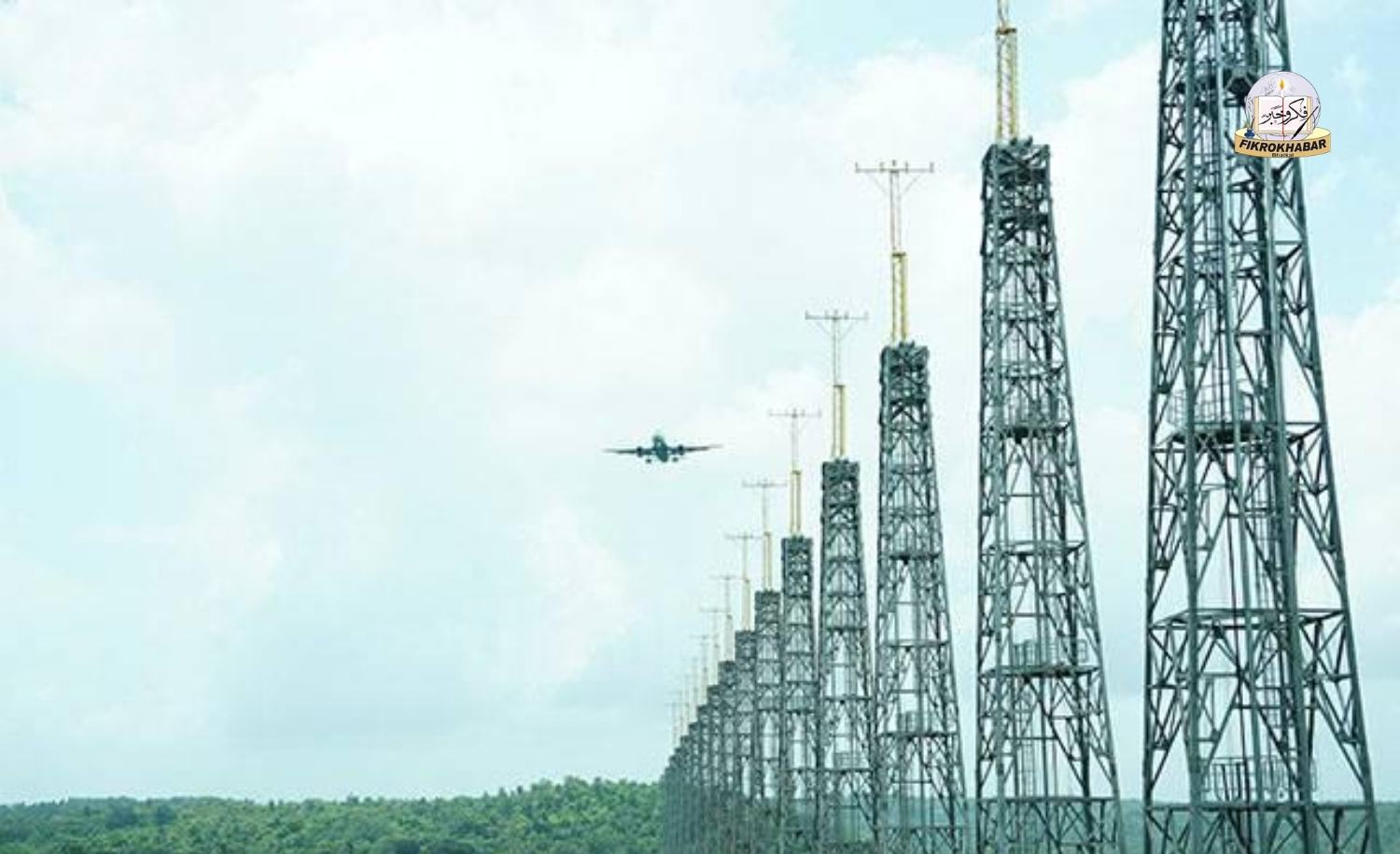

Mangaluru International Airport has commissioned its new Precision Approach Lighting (PAL) Category I system for Runway 24 after receiving approval from the Directorate General of Civil Aviation (DGCA), marking a major advancement in aviation safety and operational efficiency.
The state of the art system has been introduced to assist pilots during the most critical phase of flight, the final approach and landing. It provides enhanced visual guidance, particularly in conditions of poor visibility caused by rain, fog, or haze. Airport authorities say the upgrade will significantly improve landing accuracy and overall flight safety.
The project is regarded as one of the most distinctive airfield lighting installations in India. The system incorporates Airfield Lighting Intelligent Management Systems (ALIMS) mounted on specially designed towers that extend nearly 900 metres from the runway threshold. Many of these structures are taller than Delhi’s famous Qutub Minar, reflecting the scale and engineering challenges involved in the project.
Mangaluru International Airport has also become only the second airport in Asia to feature this type of advanced lighting infrastructure, placing it among a select group of airports globally equipped with such technology.
A total of 17 lattice towers have been installed as part of the project. Each tower is fitted with a barrette containing four approach lights and a centrally positioned sequential flashing light. The lighting units can be lowered to ground level for easier inspection and maintenance, improving long term operational efficiency.
One of the notable achievements of the project was its completion without a single accident during the construction phase. Airport officials highlighted this as evidence of careful planning, strict safety protocols, and efficient project execution.
The new PAL Category I system offers several important operational advantages. It improves runway visibility for pilots approaching the airport, enhances alignment with the runway centreline, and increases situational awareness during landing. These benefits are particularly valuable at Mangaluru Airport, which operates a tabletop runway that requires greater precision during approach and landing procedures.
Airport authorities also expect the system to reduce the number of go arounds and flight diversions by providing clearer visual references to pilots. The integration of ALIMS technology further allows centralised monitoring and more efficient management of the airport’s lighting infrastructure.
The commissioning of the PAL system forms part of a broader programme of airside improvements at the airport, including upgrades to runway lighting and other safety related facilities. These initiatives support the airport’s long term goal of becoming one of India’s safest tabletop airports.
An airport spokesperson said the new system reflects Mangaluru International Airport’s continued commitment to adopting advanced technology, strengthening aviation safety, and enhancing passenger confidence.