
Kharge Alleges Decline in Press Freedom, Targets BJP and RSS
Congress chief claims independent journalism is under pressure and democratic values are at risk.
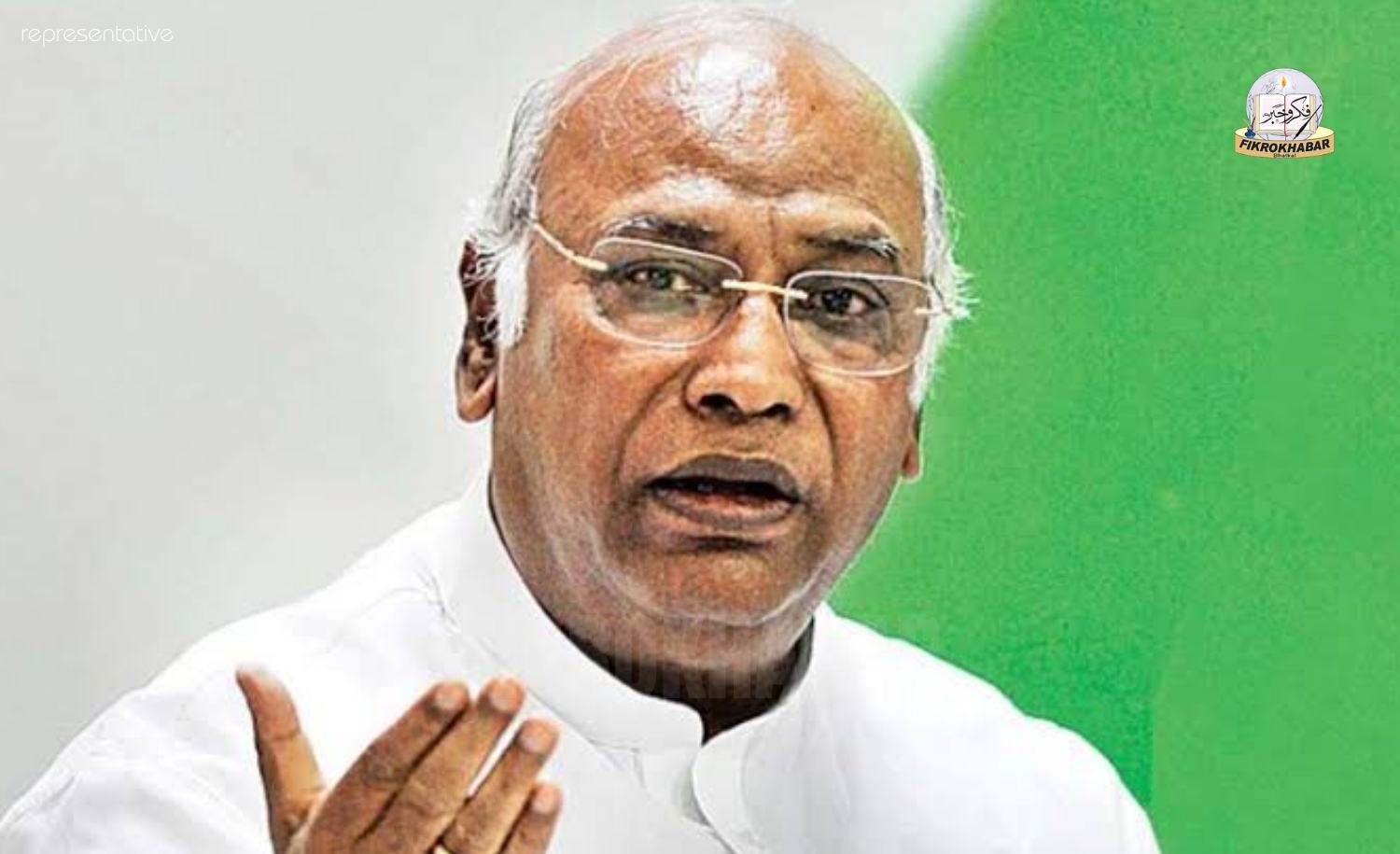

On World Press Freedom Day, Congress President Mallikarjun Kharge strongly criticised the BJP and RSS, accusing them of weakening press freedom in India.
In a post shared on X, Kharge said the space for independent journalism has been shrinking in recent years. He pointed to India’s drop in the World Press Freedom Index rankings since 2014, stating that the country now stands at 157th position. According to him, a section of the media has begun to reflect the government’s views rather than question them.
Kharge stressed that the role of the press is to hold those in power accountable, not to promote official narratives or hide shortcomings. He also referred to former Prime Minister Jawaharlal Nehru’s view that a free press is vital for a healthy democracy, adding that this principle is under serious strain today.
The Congress leader further alleged that legal tools such as defamation laws, national security provisions, and the Unlawful Activities Prevention Act are being used to pressure journalists and media organisations. He cited data claiming that more than 135 journalists were arrested, detained, or questioned between 2014 and 2020, while 36 journalists were jailed between 2014 and 2023.
Kharge also raised concerns over the safety of journalists, mentioning cases where reporters were killed while covering issues related to corruption and public interest. He said these incidents reflect a worrying trend, particularly in states governed by the BJP.
He went on to accuse the government of trying to tighten its grip on social media platforms, suggesting that this could further limit independent voices. According to Kharge, there is a growing perception that critical journalism is discouraged while supportive coverage is rewarded.
Calling for reflection from all stakeholders, Kharge urged those in power to respect democratic values and protect the independence of the press. He warned that continued erosion of these freedoms could have lasting consequences for the country’s democratic framework.